Research Articles
The Euglycemic Clamp Technique: The Gold Standard Protocol for Insulin Sensitivity and Drug Development
This article provides a comprehensive guide to the euglycemic hyperinsulinemic clamp (EHC) technique, the definitive method for assessing insulin sensitivity and pharmacodynamics in research.
Next-Generation Insulin Analogues: Engineering Ultra-Long-Acting Profiles for Enhanced Diabetes Management
This review provides a comprehensive analysis of the latest advancements in insulin analogue engineering focused on extending pharmacokinetic (PK) and pharmacodynamic (PD) profiles.
Rapid-Acting Analogs vs. Regular Human Insulin: A Comprehensive Analysis of Mealtime Efficacy for Research Professionals
This article provides a detailed scientific analysis comparing the pharmacokinetic and pharmacodynamic profiles of rapid-acting insulin analogs (RAIAs) with regular human insulin (RHI) for prandial glucose control.
Optimizing Glycemic Control: A Scientific Review of Prandial Insulin Timing Strategies for Postprandial Glucose Management
This article provides a comprehensive scientific review examining the critical relationship between the timing of prandial (meal-time) insulin administration and subsequent postprandial glucose excursions (PPGE).
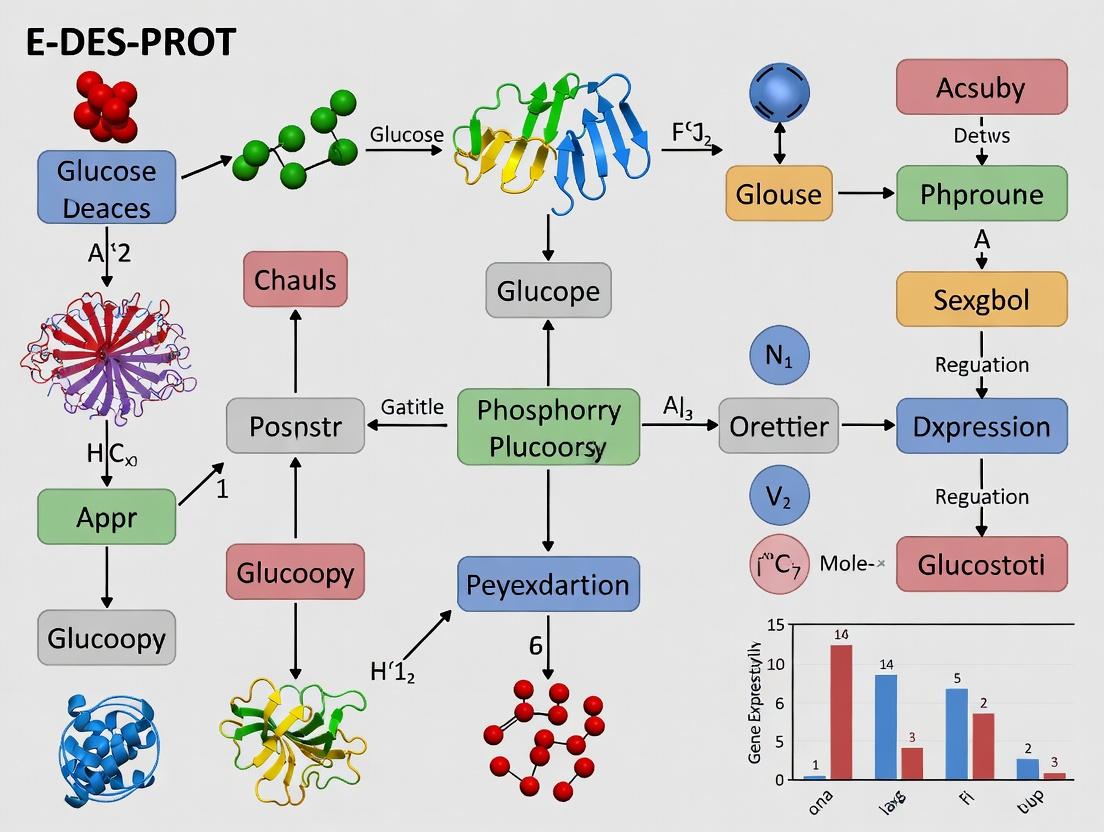
E-DES-PROT Computational Model: A Breakthrough Framework for Predicting Protein-Glucose Dynamics in Diabetes and Drug Discovery
This article provides a comprehensive overview of the E-DES-PROT computational model, a novel framework designed to simulate and analyze protein-glucose interaction dynamics.
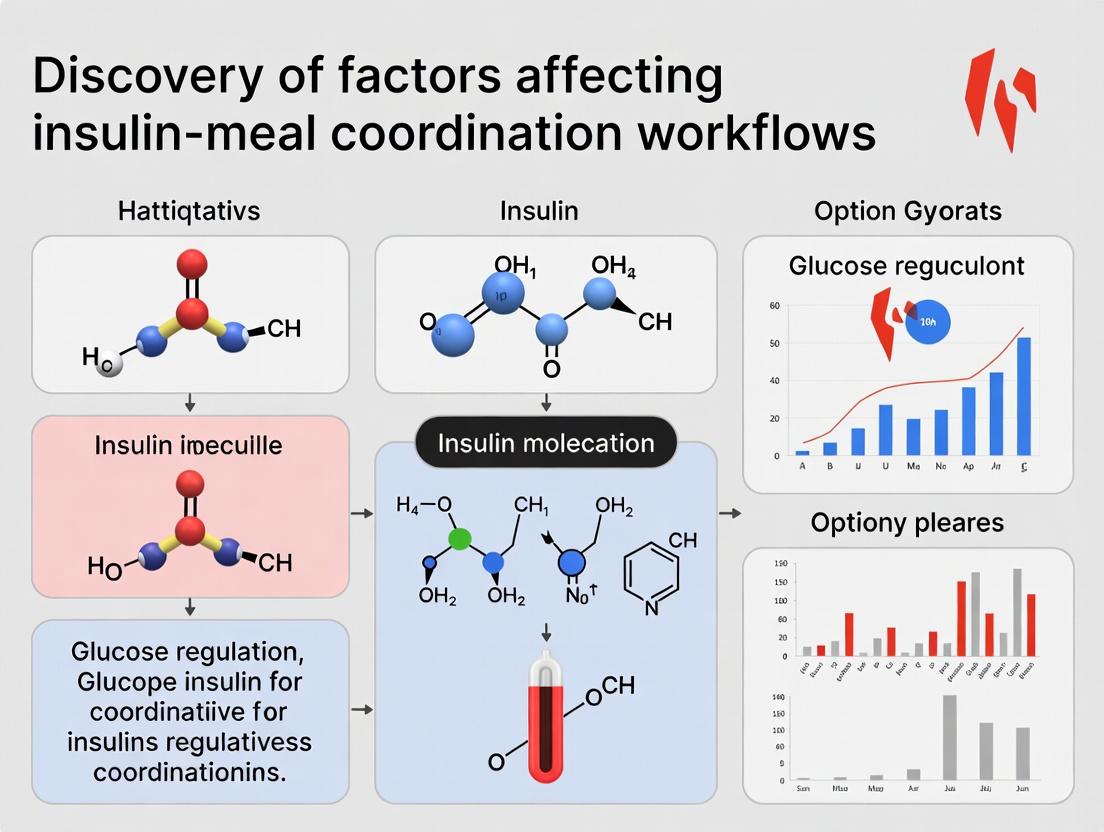
Unlocking Precision: Key Factors and Workflows in Insulin-Meal Coordination for Diabetes Management
This article provides a comprehensive analysis for researchers and drug development professionals on the critical factors influencing insulin-meal coordination workflows.
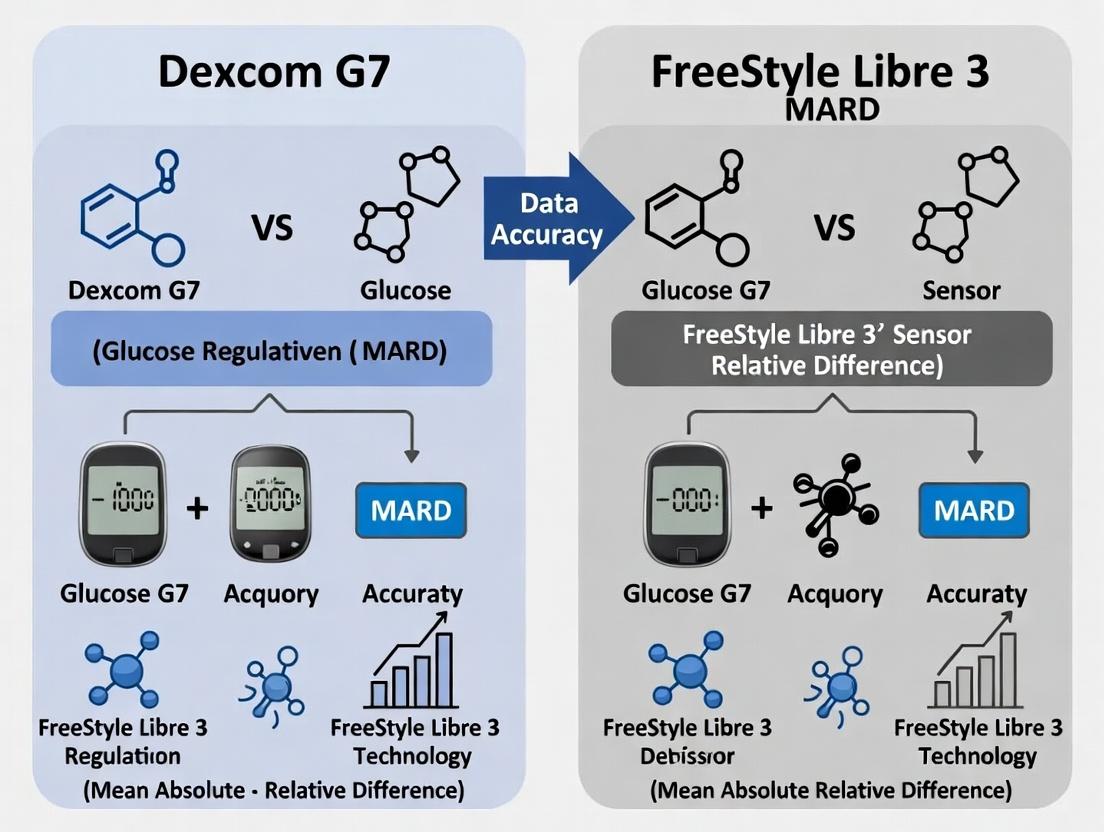
Dexcom G7 vs FreeStyle Libre 3: An In-Depth MARD Analysis for Clinical Researchers and Trial Design
This article provides a comprehensive, evidence-based comparison of the Mean Absolute Relative Difference (MARD) performance for the Dexcom G7 and Abbott FreeStyle Libre 3 continuous glucose monitoring systems.
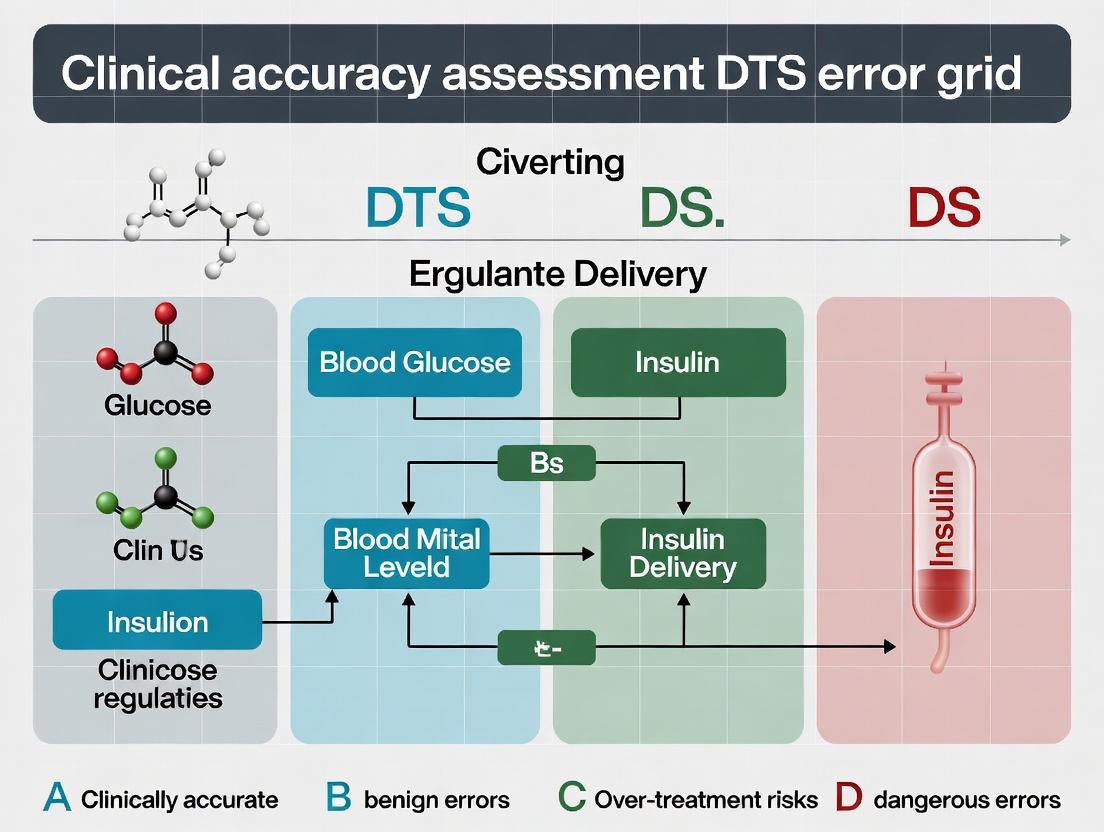
DTS Error Grid Analysis: The Complete Guide to Clinical Accuracy Assessment for Biomarkers and Wearables
This comprehensive guide explores DTS (Diabetes Technology Society) Error Grid Analysis, a critical methodology for evaluating the clinical accuracy of continuous glucose monitors (CGMs) and other vital sign monitoring technologies.
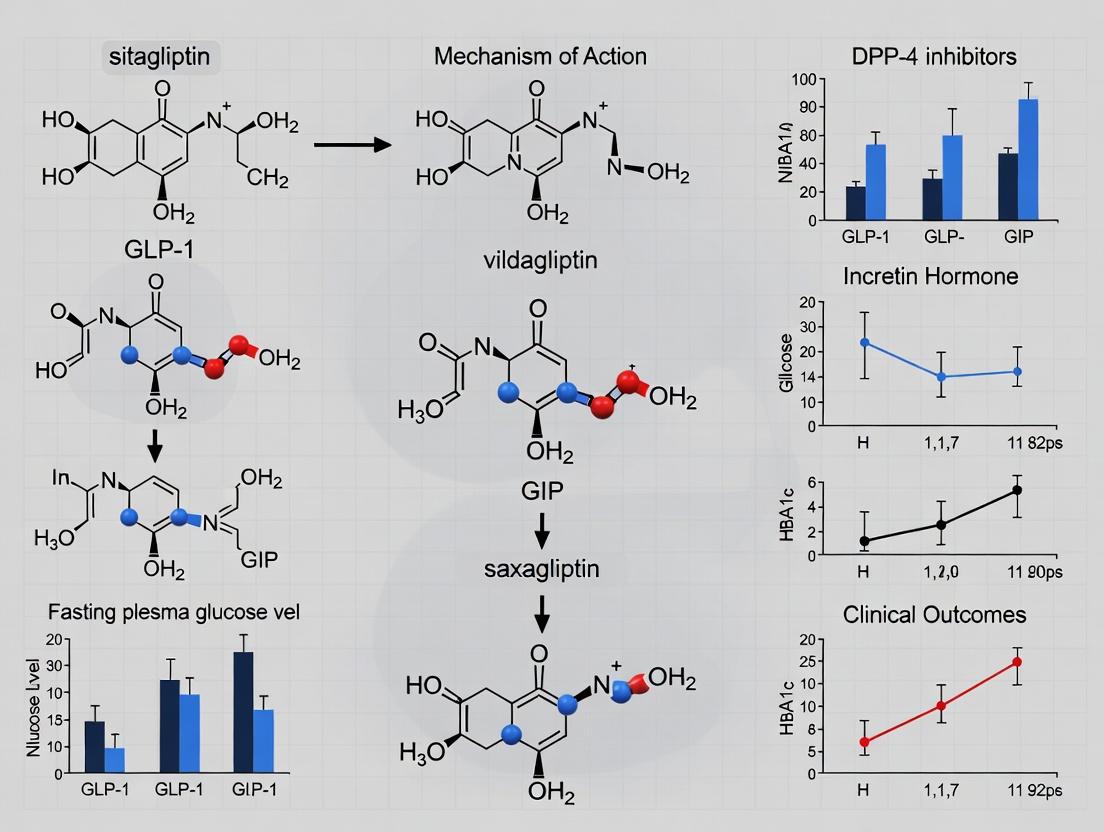
Targeting DPP-4: A Mechanistic and Clinical Review of DPP-4 Inhibitors for Glucocorticoid-Induced Hyperglycemia
Glucocorticoid-induced hyperglycemia (GIH) is a prevalent and challenging complication of corticosteroid therapy, driven by complex pathophysiology involving insulin resistance and impaired insulin secretion.
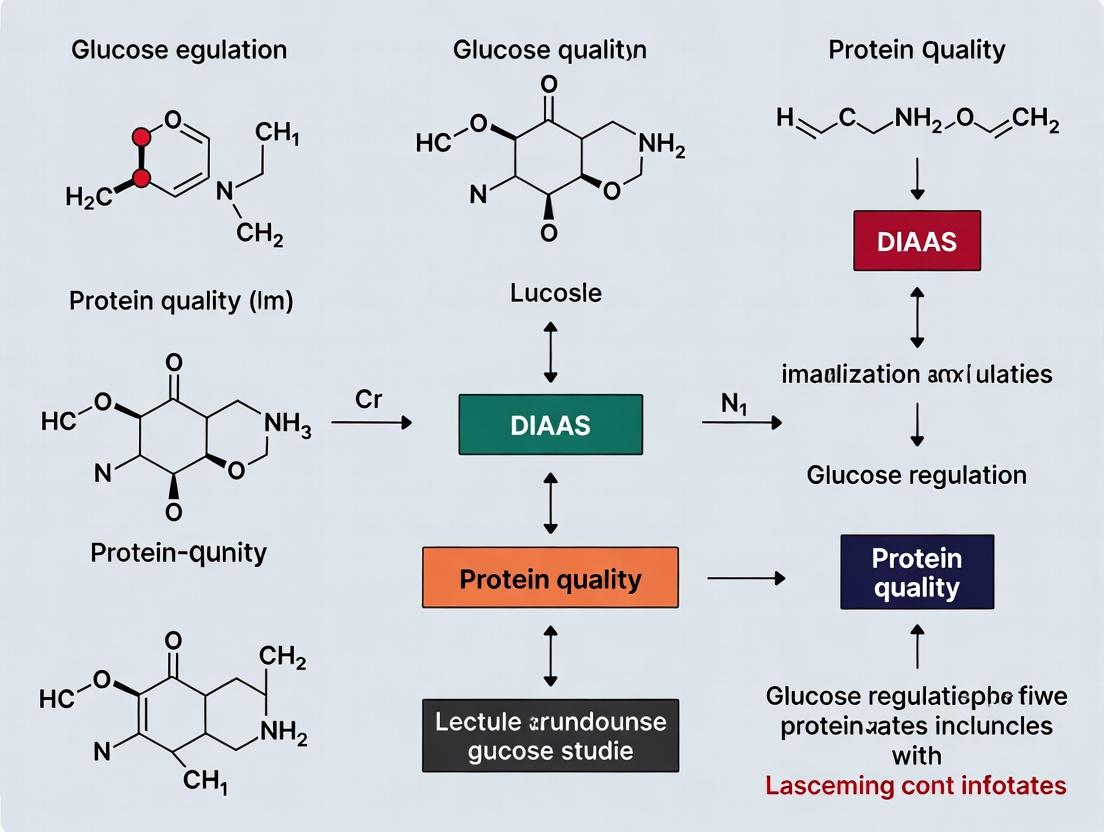
Beyond PDCAAS: Why DIAAS is the Superior Protein Quality Metric for Modern Glucose Metabolism Research
This article provides a comprehensive analysis of the Digestible Indispensable Amino Acid Score (DIAAS) method and its critical application in glucose and metabolic studies.