Advancing Diabetes Management with LSTM Networks: A Comprehensive Guide to Glucose Prediction for Researchers and Developers
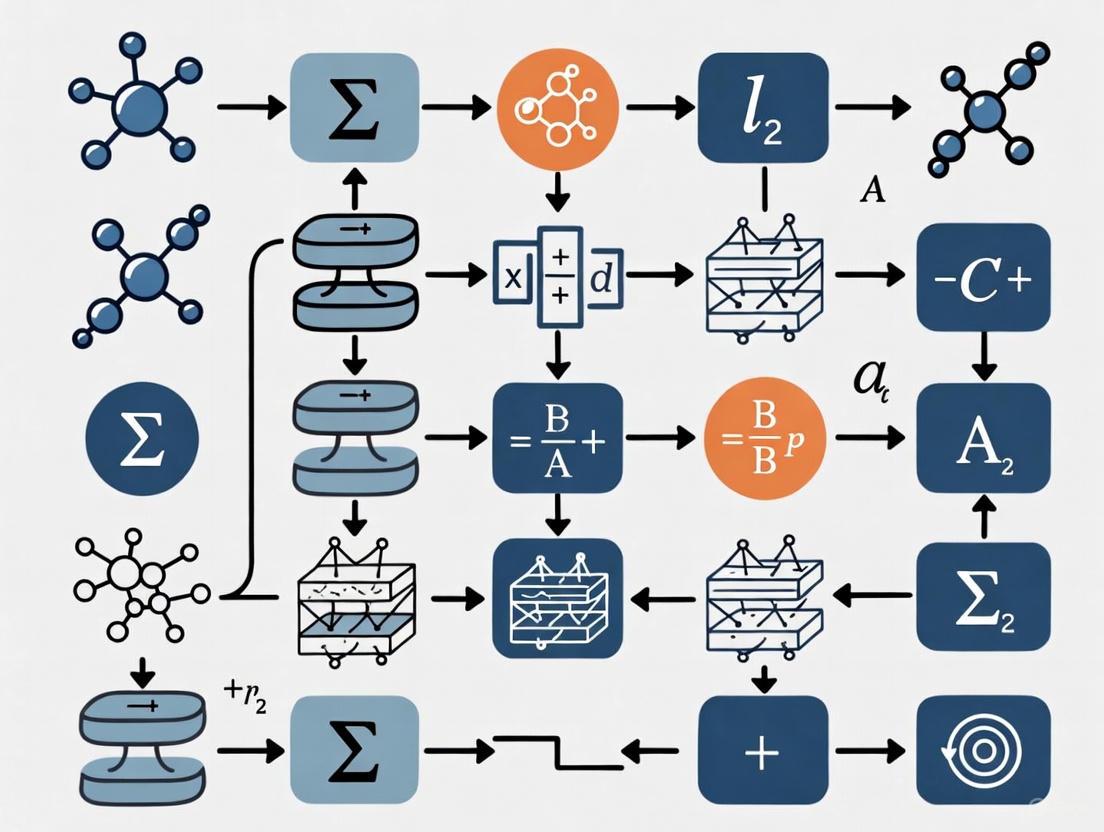
This article provides a comprehensive analysis of Long Short-Term Memory (LSTM) neural networks for blood glucose prediction, a critical technology for modern diabetes management.
Advancing Diabetes Management with LSTM Networks: A Comprehensive Guide to Glucose Prediction for Researchers and Developers
Abstract
This article provides a comprehensive analysis of Long Short-Term Memory (LSTM) neural networks for blood glucose prediction, a critical technology for modern diabetes management. Tailored for researchers, scientists, and drug development professionals, it explores the foundational architecture of LSTMs and their unique suitability for modeling complex, time-dependent glycemic dynamics. The scope extends from core methodological principles and practical implementation strategies to advanced optimization techniques for enhancing model performance and robustness. A thorough validation and comparative analysis evaluates LSTM models against other approaches and across different patient populations, including type 1 diabetes, type 2 diabetes, and prediabetes. By synthesizing current research and future directions, this review serves as a technical reference and a roadmap for integrating advanced deep-learning models into clinical applications and therapeutic development.
Understanding LSTM Architecture and Its Critical Role in Glucose Forecasting
Diabetes mellitus represents a chronic metabolic disorder characterized by dysregulated blood glucose levels, affecting hundreds of millions worldwide and creating substantial burdens on healthcare systems [1]. For individuals with Type 1 Diabetes (T1D), the complete inability to produce insulin necessitates constant vigilance and meticulous management to prevent acute complications including hypoglycemia (blood glucose < 70 mg/dL), which can lead to seizures, coma, or even death, and hyperglycemia (blood glucose > 180 mg/dL), which contributes to long-term microvascular and macrovascular complications [2] [3]. The emergence of Continuous Glucose Monitoring (CGM) systems has transformed diabetes care by providing real-time measurement of interstitial glucose concentrations, typically at 5-minute intervals, generating rich temporal datasets that reflect complex physiological processes [4] [5].
Within this context, accurate glucose prediction has evolved from a theoretical pursuit to a clinical imperative. Long Short-Term Memory (LSTM) neural networks have demonstrated remarkable capabilities in capturing the nonlinear, time-dependent patterns inherent in glucose dynamics [2]. These deep learning models can effectively process sequential CGM data along with exogenous inputs like insulin dosage, carbohydrate intake, and physical activity to forecast future glucose levels with clinically relevant accuracy [6] [5]. The development of reliable forecasting systems directly supports the creation of closed-loop artificial pancreas systems, enables proactive clinical decision-making, and empowers patients to better manage their condition through early warnings of impending glycemic events [2] [7].
Quantitative Landscape: Performance Metrics of Glucose Prediction Models
The evaluation of glucose prediction models utilizes standardized metrics that assess both numerical accuracy and clinical relevance. The tables below summarize representative performance data across recent LSTM-based approaches for different prediction horizons and patient populations.
Table 1: Performance of LSTM-based models for Type 1 Diabetes glucose prediction
| Prediction Horizon | RMSE (mg/dL) | MAE (mg/dL) | Clinical Accuracy (Zone A) | Model Architecture | Dataset |
|---|---|---|---|---|---|
| 30 minutes | 14.76 [8] | 6.38 [3] | >97% [7] | BiLSTM-Transformer | OhioT1DM |
| 60 minutes | 22.52 [2] | 7.28 [3] | 84.07% [2] | Personalized LSTM | HUPA UCM |
| 90 minutes | 23.45 [6] | 17.30 [6] | 94.71% [6] | CNN-LSTM | Replace-BG |
| 120 minutes | 13.99 [3] | 6.99 [3] | >96% [3] | Transformer-LSTM | Clinical Data |
Table 2: Model performance comparison across diabetes types
| Population | Model Architecture | Normalized RMSE | Key Challenges |
|---|---|---|---|
| T1D [4] | LSTM | 0.25 mg/dL | High glycemic variability, insulin sensitivity differences |
| T2D [4] | LSTM | 0.25 mg/dL | Insulin resistance, diverse progression patterns |
| Prediabetes [4] | LSTM | 0.21 mg/dL | Subtle glucose patterns, early intervention focus |
Beyond numerical metrics, clinical accuracy is typically assessed using Clarke Error Grid Analysis (CEGA), which categorizes predictions based on their clinical risk [7]. This method divides predictions into zones A (clinically accurate), B (benign errors), C (confusing), D (dangerous), and E (erroneous). For clinical utility, a high percentage of predictions (typically >90%) should reside in zones A and B [7] [6].
Experimental Protocols: Methodological Framework for LSTM-Based Glucose Prediction
Data Preprocessing and Feature Engineering Pipeline
Robust data preprocessing is fundamental to effective glucose prediction models. The following protocol outlines key steps for preparing temporal diabetes data:
Data Acquisition and Integration: Collect multimodal data streams including CGM values (typically at 5-minute intervals), insulin delivery (basal and bolus), carbohydrate intake, and optionally physical activity metrics and physiological parameters [2] [8]. The OhioT1DM dataset provides a standardized benchmark containing eight weeks of data from six T1D patients [5] [8].
Handling Missing Data: For CGM gaps shorter than 60 minutes, apply linear interpolation to estimate missing values [6]. For longer gaps, discard the corresponding day of data to avoid introducing significant estimation artifacts [6].
Temporal Alignment and Resampling: Align all temporal data to a consistent sampling frequency (e.g., 5-minute intervals). Aggregate event-based data (meals, insulin boluses) by averaging within each interval [6].
Feature Transformation: Convert event-based features into continuous temporal representations. For example, meal carbohydrates can be transformed using a decay function modeling glucose appearance rates [8].
Data Normalization: Apply Min-Max scaling to constrain values between 0 and 1 based on each feature's minimum and maximum values, improving training stability and convergence [4] [6].
Sequential Data Formulation: Structure input sequences using a sliding window approach, typically 180 minutes (36 time steps at 5-minute intervals) to predict future glucose values (e.g., 60 minutes ahead/12 time steps) [2].
The following diagram illustrates the complete workflow from data acquisition to model deployment:
LSTM Model Architecture and Training Specifications
The architectural design and training methodology for LSTM glucose prediction models significantly impact forecasting performance:
Model Architecture Selection:
- Standard LSTM: Single LSTM layer with 50-128 hidden units followed by fully connected layers [2] [4]
- Bidirectional LSTM (BiLSTM): Processes sequences in both forward and backward directions to capture broader temporal contexts [5] [1]
- Hybrid Architectures: CNN-LSTM stacks use convolutional layers for feature extraction followed by LSTMs for temporal modeling [6]. Transformer-LSTM combinations leverage self-attention for long-range dependencies alongside LSTM sequential processing [3]
Input Sequence Formulation: Structure input tensors with shape
[batch_size, sequence_length, features]where sequence length typically corresponds to 3-6 hours of historical data (36-72 time steps at 5-minute intervals) and features include glucose, insulin, carbohydrates, and potentially derived temporal features [2] [5].Training Configuration:
- Loss Function: Mean Squared Error (MSE) or Mean Absolute Error (MAE) for regression formulation [2] [6]
- Optimizer: Adam with learning rate 0.001 [2]
- Batch Size: 32 [2] [4]
- Epochs: 50-200 with early stopping based on validation loss [2] [4]
- Validation: Forward chaining or chronological split to preserve temporal dependencies [6]
Personalization Strategies:
The diagram below illustrates the architecture of a hybrid CNN-LSTM model for glucose prediction:
Table 3: Key research resources for LSTM-based glucose prediction studies
| Resource Category | Specific Examples | Function/Application | Implementation Notes |
|---|---|---|---|
| Datasets | OhioT1DM [5] [8], HUPA UCM [2], Replace-BG [6] | Benchmark evaluation, model training & validation | OhioT1DM includes CGM, insulin, meals, and physiological data from 6 T1D patients |
| Deep Learning Frameworks | Keras [2] [4], TensorFlow, PyTorch | Model implementation, training, and inference | Keras provides high-level API for rapid LSTM prototyping |
| Preprocessing Libraries | scikit-learn [4], Pandas, NumPy | Data cleaning, normalization, feature engineering | MinMaxScaler for normalization, interpolation for missing values |
| Evaluation Metrics | RMSE, MAE, Clarke Error Grid Analysis [7] | Performance quantification and clinical safety assessment | CEGA essential for establishing clinical relevance beyond statistical accuracy |
| Hyperparameter Optimization | Grid Search [7], Random Search, Bayesian Optimization | Model performance maximization | Grid search comprehensively explores parameter combinations |
| Computational Infrastructure | GPUs (NVIDIA CUDA), TPUs | Accelerated model training for large datasets | Essential for processing longitudinal patient data and complex architectures |
Accurate glucose prediction represents a critical component in the evolution of diabetes management, enabling proactive interventions that can prevent both acute emergencies and long-term complications. LSTM-based neural networks have demonstrated significant potential in addressing this challenge, with advanced architectures achieving clinically acceptable prediction horizons of 60-90 minutes. The continued refinement of these models through personalized approaches, multimodal data integration, and meta-learning methodologies promises to further enhance their accuracy and generalizability across diverse patient populations.
Future research directions should focus on several key areas: (1) developing more efficient personalization techniques that require minimal individual data, (2) incorporating additional contextual factors such as stress, sleep quality, and circadian rhythms, (3) creating robust uncertainty quantification to support clinical decision-making, and (4) optimizing models for real-time deployment on resource-constrained devices. As these computational approaches mature, they will increasingly serve as the foundation for closed-loop artificial pancreas systems and personalized digital therapeutics, fundamentally transforming diabetes care from reactive monitoring to proactive management.
Long Short-Term Memory (LSTM) networks represent a specialized type of recurrent neural network (RNN) architecture specifically designed to model temporal sequences and their long-range dependencies more accurately than conventional RNNs. Within biomedical research, particularly in glucose prediction for diabetes management, LSTM networks have demonstrated remarkable capabilities in capturing the complex, nonlinear, and time-dependent patterns inherent in continuous glucose monitoring (CGM) data. The fundamental advantage of LSTMs over traditional approaches lies in their ability to overcome the vanishing gradient problem through a sophisticated gating mechanism, enabling them to learn relevant dependencies over both short and extended time horizons. This architectural innovation has positioned LSTMs as a cornerstone technology in the development of accurate forecasting models for blood glucose levels, which is critical for preventing both hyperglycemic and hypoglycemic events in diabetic patients.
Core LSTM Gate Architecture and Functionality
The Gating Mechanism Principle
At the heart of the LSTM architecture are three specialized gates that collectively regulate the flow of information through the sequence: the input gate, forget gate, and output gate. Each gate operates through a sigmoid activation function (σ), producing values between 0 and 1, where 0 represents "completely block" and 1 represents "completely allow." These gates work in concert to selectively add, remove, or transmit information to the cell state, which serves as the network's long-term memory. The cell state runs through the entire sequence chain, with only minor linear interactions, allowing gradients to flow unchanged during backpropagation. This architectural design enables LSTMs to effectively capture both immediate patterns and long-term trends in temporal data—a capability particularly crucial for glucose prediction, where factors such as meal responses, insulin sensitivity, and circadian rhythms operate over different timescales.
Input Gate: Selective Information Incorporation
The input gate controls the extent to which new information is stored in the cell state. It determines which values to update by processing the current input and the previous hidden state through a sigmoid function. Simultaneously, a tanh function creates a vector of new candidate values that could be added to the state. The input gate then multiplies these two components, regulating how much of each candidate value contributes to the new cell state. In the context of glucose prediction, this mechanism allows the model to selectively incorporate relevant new information from recent CGM readings, meal intake records, or insulin dosage data while ignoring noisy or irrelevant inputs. For example, when a significant carbohydrate intake is recorded, the input gate can determine how strongly this information should influence the model's internal representation of the current metabolic state.
Forget Gate: Strategic Information Retention
The forget gate decides what information should be discarded from the cell state. It looks at the current input and the previous hidden state, and outputs a number between 0 and 1 for each number in the cell state, where 1 represents "completely keep" and 0 represents "completely discard." This selective forgetting mechanism is crucial for maintaining relevant long-term dependencies while eliminating obsolete information. In glucose forecasting, the forget gate enables the model to retain patterns such as individual circadian rhythms and insulin sensitivity profiles while discarding transient glucose fluctuations that may not represent meaningful trends. For instance, the model can learn to maintain information about a patient's typical overnight glucose stability while forgetting specific temporary spikes that resulted from measurement artifacts or minor, non-recurring events.
Output Gate: Controlled Information Exposure
The output gate determines what information from the cell state should be exposed as the hidden state output. This hidden state serves as the network's filtered perspective on the cell state, containing relevant information for making predictions at the current time step. The output gate applies a sigmoid function to the current input and previous hidden state to decide which parts of the cell state to output. The cell state is then passed through a tanh function (to push values between -1 and 1) and multiplied by this sigmoid output, yielding the final hidden state. For blood glucose prediction, this mechanism allows the model to focus specifically on those aspects of the learned patterns that are most relevant for forecasting future glucose values, effectively ignoring stored information that, while potentially important for long-term context, may not directly contribute to the immediate prediction task.
LSTM Gates in Action: Glucose Prediction Applications
Quantitative Performance of LSTM Models in Glucose Forecasting
LSTM-based architectures have demonstrated strong empirical performance in blood glucose prediction across multiple studies and datasets. The table below summarizes key performance metrics reported in recent research:
| Study | Dataset | Prediction Horizon | RMSE (mg/dL) | Model Architecture |
|---|---|---|---|---|
| Personalized LSTM [2] | HUPA UCM | 60 min | 22.52 ± 6.38 | Individual-specific LSTM |
| Aggregated LSTM [2] | HUPA UCM | 60 min | 20.50 ± 5.66 | Population-trained LSTM |
| Stacked LSTM with Kalman Smoothing [9] | OhioT1DM | 30 min | 6.45 | Stacked LSTM with sensor error correction |
| Stacked LSTM with Kalman Smoothing [9] | OhioT1DM | 60 min | 17.24 | Stacked LSTM with sensor error correction |
| Optimized LSTM [7] | OhioT1DM | 60 min | 26.13 ± 3.25 | Hyperparameter-tuned LSTM |
| BiT-MAML [5] | OhioT1DM | 30 min | 24.89 ± 4.60 | Bidirectional LSTM-Transformer hybrid |
| Attention-Based LSTM [10] | OhioT1DM | 60 min | Not reported | LSTM with attention mechanism |
The performance variation across studies highlights the significant impact of architectural choices, training methodologies, and data processing techniques on prediction accuracy. The exceptional results from the stacked LSTM with Kalman smoothing [9] demonstrate how complementary techniques can enhance the core LSTM functionality, particularly in handling sensor noise and measurement artifacts common in CGM data.
Gate Functionality in Glucose Prediction Workflow
In a typical glucose prediction pipeline, the LSTM gates perform specialized functions to handle the complex temporal dynamics of blood glucose measurements:
Forget Gate Operations: The forget gate determines which historical glucose patterns remain relevant. For example, it may learn to discard post-meal glucose spike information after a specific duration while maintaining basal glucose trends. Research has shown that incorporating additional physiological parameters such as step count, carbohydrate intake, and bolus insulin allows the forget gate to make more informed decisions about information retention [9]. This capability is particularly important for adapting to individual patterns in free-living conditions, as demonstrated in studies using the HUPA UCM dataset [2].
Input Gate Operations: When new CGM readings arrive, the input gate evaluates their significance against the current context. For instance, a rapidly decreasing glucose trend might be prioritized when the current hidden state indicates stable or elevated levels, potentially signaling an impending hypoglycemic event. The input gate's ability to selectively incorporate new information is enhanced when models include multiple input features. Studies incorporating meal composition, insulin dosage, and physical activity data have demonstrated improved prediction accuracy [3], as these additional signals provide context for interpreting glucose fluctuations.
Output Gate Operations: For final prediction, the output gate synthesizes the most relevant information from the cell state based on the specific prediction horizon. In multi-step predictions (e.g., 30, 60, 90 minutes), the output gate effectively functions as a horizon-aware filter, emphasizing different temporal patterns depending on how far into the future the model is forecasting. This capability is crucial for clinical applications, where different prediction horizons serve distinct purposes—shorter horizons for immediate intervention decisions and longer horizons for proactive planning.
Experimental Protocols for LSTM-based Glucose Prediction
Standardized LSTM Training Protocol for Glucose Forecasting
LSTM Glucose Prediction Workflow
Data Preparation and Preprocessing
- Data Collection: Assemble multimodal dataset including CGM values (recorded at 5-minute intervals), insulin administration (both basal and bolus), carbohydrate intake, and physical activity metrics [2] [9]. For the OhioT1DM dataset, this includes eight weeks of data per patient with approximately 288 daily CGM measurements [9].
- Data Cleaning: Apply Kalman smoothing to address sensor errors and noise in CGM readings, as sensor faults are common and can significantly impact prediction accuracy [9].
- Sequence Formation: Structure input sequences using a sliding window approach. A typical configuration uses 36 time steps (180 minutes) of historical data to predict 12 future values (60 minutes) [2]. Each time step includes multiple features such as glucose levels, carbohydrate intake, and insulin doses.
- Data Normalization: Apply Min-Max scaling to normalize input features, ensuring consistent value ranges across different measurement types and facilitating stable training [10].
Model Configuration and Training
- Architecture Selection: Implement LSTM architecture with 50 hidden units in a single LSTM layer, followed by two fully connected dense layers with 32 and 12 units respectively [2]. The final layer size corresponds to the prediction horizon.
- Hyperparameter Tuning: Utilize grid search optimization to identify optimal hyperparameters, including learning rate (typically 0.001), batch size (commonly 32), and number of training epochs (often 50) [7].
- Training Strategy: Employ walk-forward validation with chronological splitting of training (60%), validation (20%), and test sets (20%) [2]. Use mean squared error as the loss function and Adam optimizer for weight updates.
- Personalization Approach: Train individual models for each subject using only their specific data, or employ aggregated training using combined data from multiple subjects [2]. Recent research has demonstrated that individualized models can achieve comparable accuracy to aggregated models despite using less training data [2].
Advanced LSTM Architecture Implementation Protocol
Attention-Enhanced LSTM Implementation
- Architecture Design: Combine LSTM layers with attention mechanisms to selectively focus on relevant information within the input sequence while capturing long-term dependencies [10]. The attention mechanism allows the model to assign different importance weights to various time steps in the input sequence.
- Implementation Details: After the LSTM layer, implement an attention layer that computes attention weights for each time step, then generate a context vector as a weighted sum of LSTM hidden states. This approach has demonstrated promising performance on the OhioT1DM dataset [10].
- Optimization: Utilize RMSProp optimizer which adjusts the learning rate based on the magnitude of recent gradients, facilitating efficient training and convergence [10].
Bidirectional LSTM-Transformer Hybrid Protocol
- Architecture Integration: Develop a hybrid model combining Bidirectional LSTM with Transformer networks (BiT-MAML) to capture both short-term patterns and long-range dependencies [5]. The Bi-LSTM processes sequences in both forward and backward directions to capture short-term glucose fluctuations, while the transformer's self-attention mechanism models long-term dependencies.
- Meta-Learning Framework: Apply Model-Agnostic Meta-Learning (MAML) to enable rapid adaptation to new patients with limited data, addressing the significant inter-patient variability in glucose dynamics [5].
- Training Methodology: Implement Leave-One-Patient-Out Cross-Validation (LOPO-CV) for rigorous evaluation, ensuring the model generalizes effectively across diverse patient profiles [5].
Visualization of LSTM Gate Operations in Glucose Prediction
LSTM Cell Gate Architecture Diagram
LSTM Gate Architecture for Glucose Prediction
Temporal Dependency Modeling in Glucose Prediction
Temporal Modeling in Glucose Prediction
Research Reagent Solutions for LSTM Glucose Prediction
| Resource Type | Specific Examples | Research Application | Key Features |
|---|---|---|---|
| Public Datasets | OhioT1DM Dataset [5] [9] | Model training and benchmarking | 8 weeks of CGM, insulin, meal, and activity data for 6-12 patients with T1D |
| HUPA UCM Dataset [2] | Personalized model evaluation | Data from 25 T1D individuals under free-living conditions | |
| Software Libraries | Keras with TensorFlow/PyTorch [2] | Model implementation and training | High-level neural network API for rapid LSTM prototyping |
| Scikit-learn | Data preprocessing and evaluation | Comprehensive toolkit for data normalization and metric calculation | |
| Evaluation Metrics | Root Mean Square Error (RMSE) [2] [9] | Prediction accuracy assessment | Primary metric for quantifying point prediction error |
| Clarke Error Grid Analysis (CEGA) [2] [7] | Clinical significance evaluation | Categorizes predictions into clinically meaningful zones | |
| Mean Absolute Error (MAE) [3] | Alternative accuracy measurement | Less sensitive to outliers than RMSE |
Specialized Architectures and Optimization Tools
| Resource Type | Specific Examples | Research Application | Key Features |
|---|---|---|---|
| Advanced Architectures | Attention-enhanced LSTM [10] | Focus on clinically significant periods | Selective concentration on relevant input sequences |
| Stacked LSTM [9] [11] | Capturing complex temporal hierarchies | Multiple LSTM layers for hierarchical feature learning | |
| Bidirectional LSTM [5] | Comprehensive context utilization | Processes sequences in both forward and backward directions | |
| Optimization Techniques | Grid Search [7] | Hyperparameter tuning | Systematic exploration of parameter combinations |
| Neural Architecture Search [12] | Automated model design | Deep reinforcement learning to generate optimized architectures | |
| Kalman Smoothing [9] | Sensor data refinement | Corrects inaccurate CGM readings due to sensor errors |
The sophisticated gating mechanisms of LSTM networks—input, forget, and output gates—provide a powerful framework for addressing the complex temporal dynamics inherent in blood glucose prediction. Through selective information incorporation, strategic retention, and controlled output exposure, these gates enable models to capture both short-term fluctuations and long-term patterns in glucose metabolism. The experimental protocols and architectural variations presented in this article demonstrate the versatility of LSTM approaches across different patient populations and clinical scenarios. As research in this field advances, the continued refinement of LSTM gate functionalities, combined with complementary techniques such as attention mechanisms and meta-learning, promises to further enhance prediction accuracy and clinical utility—ultimately contributing to improved diabetes management outcomes and quality of life for patients.
A fundamental challenge in deep learning, particularly for sequential data analysis, is the vanishing gradient problem. This issue severely limits the ability of traditional Recurrent Neural Networks (RNNs) to capture long-term dependencies in data. During backpropagation, as gradients are calculated and propagated backward through time, they can become exponentially smaller, making it difficult for the network to learn relationships between temporally distant events [13] [14].
This problem is especially critical in the domain of physiological data monitoring, where patterns often evolve over extended time horizons. In glucose prediction research, for instance, a model must recognize how meals, insulin administration, and physical activity from hours ago influence current blood glucose levels. Traditional RNNs struggle with these long-range dependencies, often failing to maintain crucial contextual information across lengthy sequences [15].
Long Short-Term Memory (LSTM) networks, introduced by Hochreiter and Schmidhuber in 1997, were designed specifically to overcome this limitation [15]. Their unique architecture provides a dedicated pathway for information to flow across many time steps with minimal loss, enabling them to learn both short-term and long-term temporal patterns in complex physiological signals such as continuous glucose monitoring (CGM) data.
LSTM Architecture: A Solution for Long-Term Dependencies
The LSTM architecture solves the vanishing gradient problem through a sophisticated system of gating mechanisms and a dedicated memory cell that regulates information flow over time [13] [16]. Unlike traditional RNNs, which overwrite their hidden state completely at each time step, LSTMs can selectively remember or forget information using these specialized gates.
Core Components of LSTM
The LSTM cell contains several critical components that work in concert to manage information over long sequences:
Cell State (Ct): This serves as the network's long-term memory, functioning like a conveyor belt that carries information across multiple time steps with minimal transformation. The cell state provides a protected pathway for gradients to flow backward during training without vanishing, enabling the network to learn long-range dependencies [13] [15].
Hidden State (ht): This represents the short-term memory or the output of the LSTM cell at each time step. It contains information extracted from the cell state that is relevant for the current prediction and is passed to subsequent layers [16].
Gating Mechanisms: LSTMs employ three types of gates that control the flow of information using sigmoid activation functions (outputting values between 0 and 1) [13] [16]:
- Forget Gate (ft): Determines what information from the previous cell state should be discarded.
- Input Gate (it): Controls what new information from the current input should be stored in the cell state.
- Output Gate (ot): Regulates what information from the cell state should be output in the hidden state.
Mathematical Formulation
The LSTM update process follows these mathematical operations at each time step [13] [16]:
Forget gate: (ft = \sigma(Wf \cdot [h{t-1}, xt] + b_f))
Input gate: (it = \sigma(Wi \cdot [h{t-1}, xt] + b_i))
Candidate cell state: (\tilde{C}t = \tanh(WC \cdot [h{t-1}, xt] + b_C))
Cell state update: (Ct = ft \odot C{t-1} + it \odot \tilde{C}_t)
Output gate: (ot = \sigma(Wo \cdot [h{t-1}, xt] + b_o))
Hidden state: (ht = ot \odot \tanh(C_t))
Where:
- (\sigma) is the sigmoid activation function
- (\odot) represents element-wise multiplication
- (W) terms are weight matrices
- (b) terms are bias vectors
- (x_t) is the input at time t
- (h_{t-1}) is the previous hidden state
The following diagram illustrates the architecture and data flow within a single LSTM cell:
LSTM Applications in Glucose Prediction: Performance Analysis
In glucose prediction research, LSTMs have demonstrated remarkable performance by effectively capturing the complex temporal dynamics of blood glucose metabolism. The following table summarizes quantitative results from recent studies implementing LSTM-based architectures for glucose prediction:
Table 1: Performance of LSTM-based models in glucose prediction studies
| Study & Model | Population | Prediction Horizon | Performance Metrics | Key Findings |
|---|---|---|---|---|
| XCLA-Net (CNN-LSTM with cross-attention) [17] | Type 1 Diabetes | 1-hour & 3-hour | MAPE: 19.64% (1h), 37.81% (3h) | Model integrated FGM data with EHR; Clarke Error Grid showed high clinical consistency |
| CNN-BiLSTM with Attention [18] | Type 2 Diabetes | 15, 30, 60 minutes | MAPE: 6.80±9.31% to 14.24±19.42% | Multimodal approach combining CGM with physiological features |
| LSTM with Data Augmentation [19] | Type 1 Diabetes | 30 minutes | RMSE: 18.71-19.13 mg/dL | Digital twin-generated synthetic data enhanced performance with limited real data |
| Personalized LSTM [19] | Type 1 Diabetes | 30 minutes | RMSE: 26.58 mg/dL (with 1 day real data + augmentation) | 51.6% improvement over model trained with only 1 day of real data |
These results demonstrate that LSTM architectures consistently achieve clinically acceptable prediction accuracy across different diabetes populations and prediction horizons. The bidirectional LSTM (BiLSTM) variants have shown particular promise, with one study reporting up to 98.5% accuracy in fatigue monitoring of construction workers using physiological signals, demonstrating the broader applicability of LSTM architectures for physiological data analysis [20].
Experimental Protocols for Glucose Prediction Using LSTMs
Protocol 1: Multimodal LSTM for Type 1 Diabetes Glucose Prediction
This protocol is adapted from Wang et al. [17], which proposed the XCLA-Net architecture for type 1 diabetes glucose prediction.
Objective: To develop a multimodal deep learning model that integrates flash glucose monitoring (FGM) data with structured electronic health records (EHR) for predicting future glucose concentrations in type 1 diabetes patients.
Materials and Data Sources:
- Dataset: T1DiabetesGranada dataset containing FGM data, biochemical test indicators, demographic information, and diagnostic codes [17]
- Input Features:
- Time-series FGM data (sequential glucose measurements)
- Static clinical variables (age, BMI, HbA1c, etc.)
- Diagnostic codes from EHR systems
- Preprocessing:
Model Architecture:
- Input Processing:
- Temporal features processed through 1D-CNN to extract short-term dynamic patterns
- Static features processed through embedding layers and dense layers
LSTM Component:
- LSTM layer with 128 units to capture long-term dependencies in glucose sequences
- Layer normalization applied to stabilize training
Fusion Mechanism:
Output Layer:
- Dense layer with linear activation for regression output
- Predicts glucose values at 1-hour and 3-hour horizons
Training Configuration:
- Loss Function: Mean Squared Error (MSE)
- Optimizer: Adam with learning rate of 0.001
- Batch Size: 32
- Validation: 5-fold cross-validation
- Regularization: Dropout rate of 0.2
Evaluation Metrics:
- Root Mean Square Error (RMSE)
- Mean Absolute Error (MAE)
- Mean Absolute Percentage Error (MAPE)
- Clarke Error Grid Analysis
The following workflow diagram illustrates the complete experimental pipeline:
Protocol 2: Real-Time Glucose Prediction with Limited Data Using Digital Twin-Augmented LSTM
This protocol is based on the digital twin data augmentation approach for scenarios with limited real-world data [19].
Objective: To develop personalized LSTM models for glucose prediction in data-scarce scenarios by leveraging synthetic data generated from digital twins.
Materials and Data Sources:
- Real Data: OhioT1DM dataset containing CGM readings, meal information, and insulin records
- Synthetic Data: Generated using extended ReplayBG platform with modifications including:
- Multi-meal scenario handling
- Intraday insulin sensitivity variation descriptions
- CGM error submodels [19]
- Data Modulation: ±50% modulation and time-shifting operations applied to meal and insulin inputs
Data Augmentation Pipeline:
- Digital Twin Development:
- Use AIES-MCMC algorithm for model parameter identification [19]
- Generate 1185 synthetic CGM trajectories from 12 T1D patients
- Ensure physiological plausibility through model constraints
- Training Strategies Comparison:
- ORIG: Original real data only
- REG: Regularized original data
- ORIG+AUG: Original data combined with synthetic data
Model Architectures:
- Standard Neural Network (NN):
- Fully connected network with 3 hidden layers
- ReLU activation functions
LSTM Network:
- Single LSTM layer with 64 units
- Dropout rate of 0.3 for regularization
- Dense output layer with linear activation
CNN-LSTM Hybrid:
- 1D convolutional layers for local pattern extraction
- LSTM layer for temporal dependencies
- Attention mechanism for important time steps
Training Configuration:
- Data Proportions: Varied real-to-synthetic data ratios (100:0, 75:25, 50:50, 25:75)
- Training Epochs: 100 with early stopping patience of 15
- Batch Size: 16 to accommodate limited data scenarios
- Optimizer: Adam with learning rate scheduling
Evaluation Approach:
- Primary Metric: RMSE (mg/dL) for 30-minute prediction horizon
- Statistical Testing: Paired t-tests for performance comparisons
- Ablation Studies: To isolate contribution of synthetic data
- Cross-Validation: Leave-one-subject-out validation
The Scientist's Toolkit: Research Reagent Solutions
Table 2: Essential research tools and datasets for LSTM-based glucose prediction research
| Resource Category | Specific Tool/Dataset | Description & Purpose | Application in Research |
|---|---|---|---|
| Public Datasets | T1DiabetesGranada [17] | Multimodal dataset with FGM, EHR, clinical variables | Model training & validation for T1D glucose prediction |
| OhioT1DM Dataset [19] | Contains CGM, meal, insulin, and activity data | Benchmarking prediction algorithms & personalization | |
| eICU Collaborative Research Database [21] | Multi-center ICU database with vital signs | Developing real-time monitoring systems | |
| Software Platforms | ReplayBG [19] | Open-source platform for glucose simulation | Generating synthetic data via digital twins |
| TensorFlow/PyTorch | Deep learning frameworks | Implementing & training LSTM architectures | |
| Evaluation Tools | Clarke Error Grid Analysis [17] | Clinical accuracy assessment method | Evaluating clinical acceptability of predictions |
| Parkes Error Grid [18] | Consensus error grid for glucose predictions | Assessing clinical accuracy of CGM predictions | |
| Modeling Techniques | Cross-Attention Mechanisms [17] | Neural attention across modalities | Fusing heterogeneous data types |
| Digital Twin Technology [19] | Personalized physiological modeling | Data augmentation for scarce data scenarios | |
| Bidirectional LSTM (BiLSTM) [20] [18] | Contextual sequence processing | Capturing past and future context in physiological data |
LSTM networks have proven to be exceptionally capable of overcoming the vanishing gradient problem that traditionally limited sequence modeling in physiological data analysis. Through their sophisticated gating mechanisms and dedicated cell state pathway, LSTMs can effectively capture both short-term dynamics and long-term dependencies in complex glucose metabolism patterns.
The experimental protocols and performance results demonstrate that LSTM-based architectures consistently achieve clinically relevant prediction accuracy across various time horizons and patient populations. The integration of multimodal data sources, combined with advanced techniques such as attention mechanisms and data augmentation through digital twins, has further enhanced the robustness and practical utility of these models.
Future research directions in LSTM applications for glucose prediction include the development of more efficient architectures to reduce computational complexity, integration of additional data modalities such as physical activity and stress measurements, and the creation of personalized models that can adapt to individual patient dynamics over time. As these technologies continue to mature, LSTM-based glucose prediction systems hold significant promise for improving diabetes management and enabling proactive clinical decision-making.
Accurate blood glucose prediction is a critical component of modern diabetes management, enabling proactive interventions to prevent hyperglycemia and hypoglycemia. Long Short-Term Memory (LSTM) networks have emerged as a particularly suitable deep learning architecture for this task due to their ability to capture complex temporal dependencies in physiological data. The performance of these models is fundamentally dependent on the selection and processing of input features that comprehensively represent the multivariate factors influencing glycemic dynamics. This application note details the key input features for LSTM-based glucose prediction systems, providing structured quantitative comparisons and experimental protocols to guide researchers in developing robust prediction models. We focus specifically on the integration of continuous glucose monitoring (CGM) data, insulin doses, carbohydrate intake, and ancillary physiological signals, framing their utility within the broader context of diabetes research and therapeutic development.
Key Input Features for LSTM Glucose Prediction
The effective training of LSTM networks for glucose prediction requires a multifaceted input feature set that captures the complex interplay of metabolic processes. The table below summarizes the core input features, their data types, and their physiological roles.
Table 1: Key Input Features for LSTM-Based Glucose Prediction
| Feature Category | Specific Features | Data Type & Frequency | Physiological Role |
|---|---|---|---|
| Core Glucose Data | CGM values [22] [9], Kalman-smoothed CGM [9] [23] | Time series (5-min intervals) | Primary signal representing current glycemic state and trends |
| Insulin Administration | Bolus insulin [2] [24], Basal insulin rate [2], Insulin-on-Board (IOB) [25] | Event data & calculated time series | Primary glucose-lowering hormone; critical for predicting descent |
| Nutritional Intake | Carbohydrate (CHO) intake [2] [26] | Event data | Primary glucose-raising factor; essential for postprandial prediction |
| Physiological Signals | Heart rate [22], Respiration rate [22], Step count [9], Activity/Acceleration [22] | Time series (varies) | Proxies for metabolic demand and energy expenditure |
| Temporal Context | Time of day [27] | Cyclical encoding | Captures circadian rhythms in insulin sensitivity and metabolism |
Continuous Glucose Monitoring (CGM) Data
CGM data serves as the foundational input for any glucose prediction model, providing a time-series of glucose measurements typically at 5-minute intervals [22]. Raw CGM signals, however, are susceptible to sensor noise, calibration errors, and transient artifacts. Research has demonstrated that preprocessing CGM data with a Kalman smoothing technique can significantly enhance prediction reliability by mitigating the impact of sensor fault, thereby producing forecasts closer to fingerstick blood glucose readings (the ground truth) [9] [23]. When using a history of CGM values as input, a window of 3 hours (36 time steps) has been employed to capture short and mid-term dependencies [25].
Insulin and Carbohydrate Data
Insulin dosing and carbohydrate intake represent the two most significant exogenous factors affecting blood glucose levels.
- Insulin Data: Incorporating both bolus insulin (discrete doses) and basal insulin rates (continuous background infusion) is crucial [2]. A highly effective method to represent the lingering effect of past insulin doses is to use Insulin-on-Board (IOB), a calculated time-series feature that models the active insulin in the body over time, as shown in one large-scale study [25].
- Carbohydrate Intake: Recording carbohydrate consumption as event data, with time and amount, allows the model to learn and anticipate postprandial glucose excursions [2] [26]. The collinearity between insulin and carbohydrates in real-world datasets necessitates careful model interpretation to ensure correct learning of their opposing physiological effects [26].
Ancillary Physiological Signals
Supplementing core data with physiological signals from wearable devices can improve model performance by accounting for metabolic variations due to physical activity and stress.
- Heart Rate and Respiration Rate: These signals, obtainable from wearable chest belts, provide indirect measures of metabolic output and energy expenditure [22].
- Step Count and Activity: Data from fitness bands, such as cumulative step counts or body acceleration, serve as direct proxies for physical activity, which significantly influences glucose utilization [22] [9]. Studies have found step count to be among the most optimal features for improving prediction accuracy [9].
Experimental Protocols and Model Performance
This section outlines standard protocols for data preprocessing, model training, and evaluation, followed by a comparative analysis of performance achieved with different input feature combinations.
Data Preprocessing and LSTM Training Protocol
A standardized protocol for data preparation and model configuration ensures reproducibility and performance.
Data Preprocessing:
- Alignment: Temporally align all time-series and event data to a common clock, typically at 5-minute intervals.
- Handling Missing Data: Remove traces with missing CGM points or implausible jumps (e.g., a rate of change > 8 mg/dL/min) [25].
- Feature Scaling: Normalize or standardize input features. A common approach is to scale CGM and IOB to the [0, 1] interval using constants calculated from the training set [25].
- Sequence Construction: For a many-to-many prediction (e.g., predicting 3 future values), create input-target pairs. This may involve using a lag column to create sequences of past values (e.g., 5 past CGM values) and appropriately resorting them into chronological order [22].
LSTM Architecture & Training:
- Input Shape: The input is a 3D tensor of shape (batchsize, sequencelength, numberoffeatures). A typical sequence length is 36 (3 hours of 5-min data) [2] [25].
- Model Architecture: A typical stack includes an Input Layer, one or more LSTM layers (e.g., 50-100 units with
tanhorReLUactivation), and Dense output layers [22] [2]. The final layer should have units matching the prediction horizon (e.g., 12 units for 60 minutes of 5-min predictions). - Training Configuration: Train using the Adam optimizer (learning rate=0.001) with Mean Squared Error (MSE) as the loss function. Use a batch size of 32-64 and train for 50-100 epochs with early stopping based on validation loss to prevent overfitting [2] [25].
Performance Comparison of Input Feature Combinations
The choice of input features directly impacts prediction accuracy. The following table quantifies the performance of LSTM models using different feature sets, as reported in the literature.
Table 2: Performance of LSTM Models with Different Input Feature Sets
| Input Features | Dataset | Prediction Horizon | Performance (RMSE) | Citation |
|---|---|---|---|---|
| CGM (Kalman Smoothed) + Carbs + Bolus Insulin + Step Count | OhioT1DM (6 pts) | 30 min | 6.45 mg/dL | [9] |
| CGM + IOB | Tidepool (175 pts) | 30 min | 19.8 ± 3.2 mg/dL (CL)19.6 ± 3.8 mg/dL (SAP) | [25] |
| CGM + Carbs + Bolus + Basal Insulin | HUPA UCM (25 pts) | 60 min | 20.50 ± 5.66 mg/dL (Aggregated)22.52 ± 6.38 mg/dL (Individualized) | [2] |
| CGM only | D1NAMO Dataset | 15 min | RMSE: 0.36 (on test patient) | [22] |
Key Insights:
- Multivariate models outperform CGM-only models. The lowest RMSE (6.45 mg/dL) was achieved by integrating CGM, insulin, carbs, and step count [9].
- IOB is an effective feature. Using IOB alongside CGM provides a robust and parsimonious model, as validated on a very large dataset of 175 subjects [25].
- Personalized vs. Aggregated Training. Models trained on individual-specific data can achieve accuracy comparable to models trained on aggregated population data, despite using less data, which is promising for privacy-preserving and adaptive on-device learning [2].
Workflow Visualization and Research Toolkit
LSTM Glucose Prediction Workflow
The following diagram illustrates the end-to-end workflow for developing an LSTM-based glucose prediction model, from data acquisition to deployment.
The Researcher's Toolkit
Implementing and interpreting LSTM models for glucose prediction requires a suite of datasets, software tools, and validation methods.
Table 3: Essential Research Reagents and Tools
| Category | Item | Specification / Version | Application & Function |
|---|---|---|---|
| Datasets | OhioT1DM Dataset [9] [26] | 2018 version; 6-12 subjects, 8 weeks | Benchmarking model performance with CGM, insulin, carbs, and step count. |
| HUPA UCM Dataset [2] | 25 T1D subjects | Includes CGM, insulin (basal/bolus), carbs, and physiological metrics. | |
| Tidepool Big Data Donation [25] | 250 subjects, 50k+ days | Large-scale real-world data for training robust, generalizable models. | |
| Software & Libraries | Keras / TensorFlow [2] [28] | Python 3.11+, Keras 2.12.0+ | High-level API for building and training deep learning models. |
| Scikit-learn [4] | Version 1.6.0+ | Data preprocessing, scaling (MinMaxScaler), and general machine learning. | |
| Validation & Explainability | SHAP (SHapley Additive exPlanations) [26] | N/A | Interpreting black-box model output, verifying physiological plausibility of predictions. |
| Clarke / Parkes Error Grid Analysis [25] [4] | N/A | Assessing the clinical accuracy and risk of model predictions. |
Implementing LSTM Models: From Data Preparation to Personalized Training Strategies
The accuracy of Long Short-Term Memory (LSTM) networks in glucose prediction is fundamentally dependent on the quality of input data. Continuous Glucose Monitoring (CGM) data presents unique preprocessing challenges, including frequent missing values due to sensor artifacts, physiological outliers, and complex temporal dependencies that must be preserved for effective model training. This protocol provides a comprehensive framework for preprocessing CGM data, with specific considerations for LSTM-based prediction models. The methods outlined address the complete pipeline from raw CGM data to LSTM-ready sequences, incorporating advanced imputation techniques and normalization strategies that maintain temporal relationships critical for glucose forecasting.
Handling Missing Data in CGM Records
Characterization of Missing Data Patterns
Missing data in CGM records typically occurs in three distinct patterns: short gaps (single or few missing points), medium gaps (15-60 minutes), and extended gaps (multiple hours). Short gaps often result from signal dropout, while extended gaps may indicate sensor removal for bathing or physical activities [29]. For LSTM networks, which rely on continuous temporal sequences, appropriate gap handling is essential for maintaining sequence integrity across training batches.
Advanced Imputation Framework for Metric Space Objects
A novel two-step framework addresses the challenge of imputing complex statistical objects in metric spaces, which is particularly relevant for functional representations of CGM data:
Global Fréchet Regression Model: This approach handles missing responses using a weighted least squares method that accounts for the probability of data points being missing. The model operates directly on glucose data representations in metric spaces, preserving their geometric properties [30].
Conformal Prediction for Personalized Imputation: This technique quantifies uncertainty in imputed values and creates personalized imputation intervals based on individual glucose patterns. The method adapts to each patient's unique glucose profile rather than applying a one-size-fits-all approach [30].
Table 1: Missing Data Handling Methods for CGM
| Method | Recommended Gap Size | Advantages | Limitations | LSTM Compatibility |
|---|---|---|---|---|
| Linear Interpolation | <30 minutes | Simple, fast | Ignores glucose dynamics | Moderate |
| Glucodensity-based Imputation [30] | Any size | Preserves distributional properties | Computationally intensive | High |
| Personalized Conformal Prediction [30] | Any size | Adapts to individual patterns | Requires sufficient patient history | High |
| k-Nearest Neighbors | 30-60 minutes | Uses similar patterns | Sensitive to parameter choice | Moderate |
Experimental Protocol: Personalized Imputation for LSTM Training
Objective: Implement and validate personalized imputation for CGM data preparation for LSTM models.
Materials: CGM records with known missingness patterns, demographic and clinical metadata.
Procedure:
- Data Preparation: Artificially introduce missingness in complete CGM records (≥95% completeness) to create evaluation benchmarks.
- Glucodensity Construction: Convert CGM trajectories to functional representations capturing full glucose distributions rather than summary statistics [30].
- Model Training: Apply Global Fréchet Regression to estimate missing values using the metric structure of glucodensities.
- Uncertainty Quantification: Generate prediction intervals for imputed values using conformal prediction tailored to individual glucose patterns.
- LSTM Integration: Train LSTM networks on datasets processed with different imputation methods and compare prediction accuracy.
Validation: Compare RMSE and Clarke Error Grid analysis for glucose predictions using different imputation approaches [30].
Outlier Detection and Processing
Physiological and Non-Physiological Outliers
CGM data contains two primary outlier types: non-physiological artifacts (sensor errors, signal dropout) and physiological extremes (severe hypoglycemia/hyperglycemia). For LSTM networks, distinguishing between these categories is essential, as physiological extremes represent critical prediction targets rather than noise.
Functional Data Analysis for Pattern Recognition
Functional Data Analysis (FDA) provides superior outlier detection by treating CGM data as dynamic curves rather than discrete points. This approach enables identification of physiologically implausible trajectory shapes that may be missed by point-based methods [31]:
- Shape-Based Anomaly Detection: Identifies outliers based on abnormal glucose curve dynamics rather than individual values.
- Functional Principal Components: Leverages patterns of variation across the entire glucose trajectory to detect deviations from typical profiles.
Table 2: Outlier Detection Methods for CGM Data
| Method | Detection Principle | Strength | Weakness | Implementation Complexity |
|---|---|---|---|---|
| Statistical Thresholds [32] | Physiological limits (e.g., <54 mg/dL, >250 mg/dL) | Simple, interpretable | Misses shape anomalies | Low |
| Rate-of-Change Filtering | Physiological kinetics (e.g., >4 mg/dL/min) | Captures dynamics | Requires parameter tuning | Medium |
| Functional Data Analysis [31] | Entire trajectory shape | Comprehensive pattern recognition | Mathematical complexity | High |
| Residual Analysis | Model prediction errors | Adaptive to individual patterns | Requires trained model | High |
Experimental Protocol: Functional Outlier Detection
Objective: Implement FDA-based outlier detection for CGM data preprocessing.
Materials: Complete CGM records, functional data analysis software (e.g., R fda package).
Procedure:
- Data Smoothing: Convert discrete CGM readings to smooth functional curves using B-spline basis functions.
- Functional PCA: Decompose functional CGM data to identify principal modes of variation.
- Outlier Score Calculation: Compute Mahalanobis distance for each curve based on FPCA scores.
- Threshold Determination: Establish outlier thresholds using robust statistical measures (e.g., 95th percentile of F-distribution).
- Visualization: Create functional boxplots to identify outlier trajectories.
Validation: Compare detected outliers with clinical event markers and sensor error flags.
Data Normalization and Feature Engineering
Temporal Normalization Strategies
LSTM networks require careful normalization to ensure stable training while preserving predictive patterns:
- Personalized Z-Score Normalization: Normalize glucose values using subject-specific mean and standard deviation to maintain inter-individual patterns [2].
- Sequence-Based Normalization: Apply normalization within each input sequence rather than globally to adapt to temporal shifts.
- Glucodensity Transformation: Convert glucose values to their distributional representations, which naturally normalizes while preserving complete shape information [30].
Feature Engineering for LSTM Networks
Beyond raw glucose values, effective LSTM models incorporate derived features that enhance temporal pattern recognition:
- Temporal Features: Time of day, day of week, and seasonal patterns encoded via cyclic transformations.
- Glucose Dynamics: Rate of change, acceleration, and variability metrics computed across multiple timescales.
- Contextual Signals: Meal information, insulin administration, and physical activity when available [3].
Integrated Preprocessing Pipeline for LSTM Networks
Complete Workflow Specification
The following diagram illustrates the complete preprocessing pipeline from raw CGM data to LSTM-ready sequences:
The Scientist's Toolkit: Research Reagent Solutions
Table 3: Essential Resources for CGM Data Preprocessing Research
| Resource | Function | Example Implementation | Application Context |
|---|---|---|---|
| Global Fréchet Regression [30] | Missing data imputation in metric spaces | R or Python implementation | Handling missing CGM responses |
| Conformal Prediction Framework [30] | Uncertainty quantification for imputation | Python with scikit-learn | Personalized imputation intervals |
| Functional Data Analysis [31] | Shape-based outlier detection | R fda package | Identifying anomalous glucose trajectories |
| Glucodensity Representations [30] | Distributional data transformation | Custom R/Python code | Preserving complete glucose profile information |
| LSTM-XGBoost Fusion [33] | Hybrid predictive modeling | Python with TensorFlow and XGBoost | Enhanced glucose prediction |
| Clarke Error Grid Analysis | Clinical accuracy validation | MATLAB/Python implementation | Assessing clinical utility of predictions |
Experimental Protocol: End-to-End Preprocessing Validation
Objective: Validate the complete preprocessing pipeline for LSTM glucose prediction performance.
Materials: Raw CGM datasets (e.g., OhioT1DM, HUPA UCM), preprocessing pipeline implementation.
Procedure:
- Data Partitioning: Split data into training, validation, and test sets respecting temporal order.
- Pipeline Application: Process raw data through each preprocessing stage.
- Ablation Study: Train LSTM models with different preprocessing components selectively disabled.
- Performance Assessment: Evaluate models using RMSE, MAPE, and Clarke Error Grid analysis.
- Statistical Comparison: Use paired statistical tests to compare preprocessing approaches.
Validation Metrics:
- Prediction accuracy (RMSE, MAPE) across different time horizons (15, 30, 60 minutes)
- Clinical accuracy (Clarke Error Grid Zone A percentage)
- Training stability and convergence speed
This protocol provides a comprehensive framework for preprocessing CGM data specifically optimized for LSTM networks in glucose prediction research. The integrated approach addresses the critical challenges of missing data, outliers, and normalization while preserving the temporal patterns essential for effective deep learning. The methods emphasize personalized processing techniques that account for individual glucose dynamics, ultimately enhancing the performance and clinical utility of LSTM-based prediction models.
Accurate blood glucose prediction is critical for effective diabetes management, enabling proactive interventions to prevent hypo- and hyperglycemic events. Long Short-Term Memory networks have emerged as powerful tools for modeling temporal dependencies in glucose time-series data. The performance of these models heavily depends on appropriate sequencing of input data, specifically the selection of optimal lookback windows (the historical data sequence used for prediction) and prediction horizons (how far into the future glucose levels are forecast). This protocol synthesizes current research findings and methodologies to establish standardized approaches for determining these critical parameters across different patient populations and use cases.
Quantitative Analysis of Lookback Windows and Prediction Horizons
Table 1: Comparative Analysis of Lookback Windows and Prediction Horizons in Glucose Forecasting Studies
| Study & Population | Lookback Window (Minutes) | Prediction Horizon (Minutes) | Model Architecture | Key Performance Metrics |
|---|---|---|---|---|
| T1D Management [2] | 180 | 60 | LSTM | RMSE: 20.50-22.52 mg/dL; Clarke Zone A: 84-85% |
| Multimodal T2D Approach [1] | 150 (30 samples × 5 min) | 15, 30, 60 | CNN-BiLSTM with Attention | MAPE: 6-24 mg/dL (varied by sensor and horizon) |
| Hybrid Transformer-LSTM [3] | Not specified | 30, 60, 90, 120 | Transformer-LSTM Hybrid | RMSE: 10.16-13.99 mg/dL; MAE: 6.38-6.99 mg/dL |
| Multi-Task Learning Framework [34] | Not specified | 30 | DA-CMTL | RMSE: 14.01 mg/dL; MAE: 10.03 mg/dL |
| Three-Population Study [4] | 5 (single step) | 5, 15 | LSTM | NRMSE: 0.11-0.25 mg/dL (across populations) |
| Meta-Learning Personalization [5] | Not specified | 30 | BiLSTM-Transformer with MAML | RMSE: 24.89 mg/dL |
Table 2: Performance Degradation with Extended Prediction Horizons
| Prediction Horizon | Model Type | Performance Trend | Clinical Implications |
|---|---|---|---|
| 15 minutes | Multimodal CNN-BiLSTM [1] | MAPE: 6-11 mg/dL (Abbot sensor) | High accuracy for immediate interventions |
| 30 minutes | Multimodal CNN-BiLSTM [1] | MAPE: 9-14 mg/dL (Abbot sensor) | Balanced accuracy for meal planning |
| 60 minutes | Multimodal CNN-BiLSTM [1] | MAPE: 12-18 mg/dL (Abbot sensor) | Moderate accuracy for trend analysis |
| 90 minutes | Transformer-LSTM Hybrid [3] | RMSE: 13.54 mg/dL; MAE: 7.28 mg/dL | Useful for preliminary warnings |
| 120 minutes | Transformer-LSTM Hybrid [3] | RMSE: 13.99 mg/dL; MAE: 6.99 mg/dL | Limited clinical reliability |
Experimental Protocols
Protocol 1: Establishing Baseline Lookback Windows for T1D Populations
Objective: Determine the optimal lookback window for T1D glucose prediction using LSTM networks.
Materials: CGM data (5-minute intervals), insulin delivery data (basal and bolus), carbohydrate intake records.
Methodology:
- Data Preparation:
Window Selection Experiment:
- Test lookback windows of 60, 120, 180, and 240 minutes (equivalent to 12, 24, 36, and 48 samples at 5-minute intervals)
- Maintain constant 60-minute prediction horizon across experiments
- Use walk-forward validation with chronological train/validation/test splits (60:20:20 ratio) [2]
Model Configuration:
- Implement LSTM architecture with 50 hidden units and tanh activation
- Add two fully connected layers with 32 and 12 units respectively
- Train using Adam optimizer (learning rate: 0.001) with mean squared error loss
- Execute 50 training epochs with batch size of 32 [2]
Evaluation Metrics:
- Primary: Root Mean Square Error (RMSE), Mean Absolute Error (MAE)
- Clinical: Clarke Error Grid Analysis (Zone A percentage)
- Computational: Training time, inference latency
Protocol 2: Multi-Horizon Prediction Performance Assessment
Objective: Evaluate model performance across increasing prediction horizons for clinical application selection.
Materials: CGM data, baseline patient characteristics (age, BMI, diabetes duration), meal information.
Methodology:
- Data Stratification:
- Segment data by glycemic states: hypoglycemic (<70 mg/dL), normoglycemic (70-180 mg/dL), hyperglycemic (>180 mg/dL)
- Ensure balanced representation of each state in training and test sets
Horizon Testing:
- Train separate models for 15, 30, 60, 90, and 120-minute prediction horizons
- Maintain consistent lookback window of 180 minutes across conditions
- Implement multi-output architectures for longer horizons [3]
Advanced Architecture:
Evaluation Framework:
- Calculate horizon-specific RMSE, MAE, and MAPE
- Perform Parkes Error Grid analysis for clinical accuracy assessment [1]
- Report sensitivity/specificity for hypoglycemia prediction (≤70 mg/dL)
Protocol 3: Personalized vs. Aggregate Model Training
Objective: Compare individualized and aggregated training approaches for population-specific applications.
Materials: Multi-subject CGM dataset (e.g., OhioT1DM, HUPA UCM), computational resources for multiple model training.
Methodology:
- Data Partitioning:
- Individualized approach: Train separate models for each subject using only their data
- Aggregated approach: Train single model on combined data from all subjects
- Use identical model architectures and training procedures for both approaches [2]
Personalization Techniques:
- Implement meta-learning with Model-Agnostic Meta-Learning (MAML) for rapid adaptation to new patients [5]
- Incorporate transfer learning from population models to individual subjects
- Use fine-tuning with patient-specific data for personalized calibration
Evaluation:
- Compare RMSE, MAE distributions between approaches
- Analyze inter-patient variability in performance metrics
- Assess data efficiency (performance vs. training data volume)
Workflow Visualization
Glucose Prediction Model Development Workflow
LSTM Model Architecture Components
Research Reagent Solutions
Table 3: Essential Research Tools and Datasets for Glucose Prediction Studies
| Resource Category | Specific Examples | Function/Application | Key Characteristics |
|---|---|---|---|
| Public Datasets | OhioT1DM Dataset [5] | Benchmark for model development and comparison | CGM, insulin, meal data from 6 T1D patients |
| HUPA UCM Dataset [2] | Individualized vs. aggregated model comparison | 25 T1D subjects with CGM, insulin, carbs, activity | |
| ShanghaiT1DM Dataset [34] | Cross-population generalization testing | Chinese patient data for diversity validation | |
| Software Libraries | Keras with TensorFlow [2] [4] | Deep learning model implementation | High-level API for rapid LSTM prototyping |
| Scikit-learn [4] | Data preprocessing and evaluation | Standardized metrics and preprocessing utilities | |
| Python Time Series Libraries | Feature engineering and analysis | Specialized functions for temporal data handling | |
| Evaluation Frameworks | Clarke Error Grid Analysis [2] [5] | Clinical accuracy assessment | Zones A-E for clinical decision impact |
| Parkes Error Grid Analysis [1] | Alternative clinical accuracy metric | Consensus standard for CGM accuracy | |
| Bland-Altman Analysis [4] | Agreement assessment between methods | Visualizes bias and limits of agreement | |
| Simulation Tools | UVA/Padova Simulator [2] | Synthetic data generation and validation | FDA-approved T1D population simulator |
| Hovorka Model [2] | Physiological modeling integration | Glucose-insulin dynamics simulation |
Long Short-Term Memory (LSTM) networks represent a specialized form of Recurrent Neural Networks (RNNs) explicitly designed to overcome the vanishing gradient problem inherent in standard RNNs, thereby enabling the learning of long-term dependencies in sequential data [36] [37]. This architectural capability is paramount in glucose prediction research, where glycaemic dynamics exhibit complex temporal patterns influenced by meals, insulin, physical activity, and individual physiological factors [4] [1]. The core innovation of LSTM networks lies in their memory cell, which maintains a cell state over time, and a system of gates that regulate the flow of information. These gates—the input gate, forget gate, and output gate—are composed of sigmoid activation functions that output values between 0 and 1, determining how much information to retain, discard, or output at each time step [38] [39]. The ability to selectively remember patterns over long periods makes LSTMs exceptionally suitable for forecasting interstitial glucose levels from Continuous Glucose Monitoring (CGM) data, a task that requires understanding both immediate fluctuations and longer-term trends for effective diabetes management [4] [33].
Critical LSTM Architectural Components
LSTM Gate Mechanisms and Information Flow
The functional capacity of an LSTM network is governed by its sophisticated gating mechanism, which coordinates information flow into, within, and out of each memory cell. The forget gate determines which information from the previous cell state should be discarded or retained. It takes the current input ((xt)) and the previous hidden state ((h{t-1})), passes them through a sigmoid activation function ((\sigma)), and produces a vector of values between 0 and 1 for each number in the cell state ((C{t-1})), where 1 represents "completely keep" and 0 represents "completely forget" [39] [37]. The input gate then decides what new information will be stored in the cell state. This process has two parts: a sigmoid layer decides which values to update, while a tanh layer creates a vector of new candidate values ((\tilde{C}t)) that could be added to the state [37]. Subsequently, the cell state is updated from (C{t-1}) to (Ct) by combining the decisions of the forget gate (which selectively forgets information) and the input gate (which selectively adds new information) [36]. Finally, the output gate determines the value of the next hidden state ((h_t)), which contains information from previous inputs. The cell state is passed through a tanh function and multiplied by the output of a sigmoid layer that decides what parts of the cell state should be output [39]. This gated structure enables LSTMs to maintain relevant information over extended sequences, a critical feature for glucose prediction where contextual factors from hours earlier may influence current glucose levels.
Dense Output Layers for Prediction
Following the LSTM layers, Dense (fully connected) layers serve as the final processing step to generate predictions. These layers transform the high-dimensional representations learned by the LSTM into the desired output format—typically a single continuous value representing the predicted glucose level (in mg/dL) at a future time point [4]. The configuration of these dense layers is crucial for refining predictions and preventing overfitting. A common approach involves stacking multiple dense layers with decreasing units (e.g., 150, 100, 50, 20) to progressively distill information before the final output layer [4]. To enhance generalization, dropout layers are often inserted between dense layers, randomly disabling a fraction of neurons (e.g., 20% and 15%) during training to prevent co-adaptation of features [4]. The final dense layer employs a linear activation function to produce the glucose prediction, as it is a regression task. The entire network is typically trained using the Adam optimizer and loss functions such as Mean Squared Error (MSE) or Mean Absolute Error (MAE), which are then converted to clinically relevant metrics like Root Mean Square Error (RMSE) for evaluation [4].
Experimental LSTM Architectures in Glucose Prediction
Quantitative Analysis of Published Architectures
Recent research has employed diverse LSTM architectures for glucose prediction across different diabetic populations. The table below summarizes key architectural parameters and their reported performance metrics from recent studies, providing a reference for researchers designing their own models.
Table 1: LSTM Architecture Performance in Glucose Prediction Studies
| Study & Population | LSTM Architecture | Dense Layers | Prediction Horizon | Performance Metrics |
|---|---|---|---|---|
| T1D, T2D, Prediabetes [4] | Single LSTM layer (128 units) | 150, 100, 50, 20 units (with dropout) | t+1 (5/15 min) | NRMSE: 0.11-0.25 mg/dL |
| T2D Multimodal [1] | Stacked CNN-BiLSTM with attention | Fully connected for baseline data fusion | 15, 30, 60 min | MAPE: 6-26 mg/dL |
| T1D LSTM-XGBoost [33] | LSTM (specific units not stated) | Combined with XGBoost | 30, 60 min | RMSE: 6.45-17.24 mg/dL |
The architectural choice significantly impacts prediction accuracy across different time horizons. For short-term predictions (15 minutes or less), simpler LSTM architectures with single layers can achieve high accuracy [4]. However, as the prediction horizon extends to 30 or 60 minutes, more complex architectures that incorporate bidirectional processing (BiLSTM) [1], convolutional layers for feature extraction [1], or hybrid approaches with ensemble methods like XGBoost [33] demonstrate superior performance. Furthermore, multimodal architectures that integrate CGM data with additional patient-specific physiological variables (e.g., demographics, comorbidities) have shown significant improvements in accuracy, particularly for longer prediction horizons, by informing the model of individual glycemic variability patterns [1].
Impact of Architectural Choices on Performance
The design decisions surrounding LSTM architecture directly influence model performance across different clinical contexts. The internal and external validation studies reveal that models trained on prediabetic populations demonstrated superior generalizability when tested on T1D and T2D datasets, achieving normalized RMSE values of 0.11 mg/dL and 0.25 mg/dL respectively [4]. This suggests that architectural choices may need to account for population-specific glycemic variability patterns. Furthermore, the integration of attention mechanisms with LSTM networks has proven particularly valuable for focusing on clinically relevant segments of glucose time series, especially those with high variability, leading to statistically significant improvements in prediction accuracy [1]. For challenging prediction scenarios such as hypoglycemic events (glucose < 70 mg/dL), specialized architectures that emphasize high-variability regions in glucose trends have shown promise, though accurate prediction of these critical events remains challenging due to their relative infrequency in datasets [33] [1].
Experimental Protocols for LSTM Architecture Evaluation
Standardized Model Development Protocol
A rigorous, standardized protocol is essential for the systematic development and evaluation of LSTM architectures for glucose prediction. The following workflow outlines a comprehensive methodology adapted from recent literature [4] [1]:
Data Preprocessing: Raw CGM data, typically sampled at 5 or 15-minute intervals, must undergo preprocessing. This includes:
- Normalization: Apply Min-Max scaling to transform glucose values to a [0,1] range using tools like scikit-learn's
MinMaxScaler[4]. - Sequence Construction: Structure the data into supervised learning format using a sliding window approach. The input sequence (e.g., 6-12 previous time points) is used to predict the glucose value at a future horizon (e.g., 15, 30, 60 minutes).
- Data Splitting: Partition data into training (70-80%), validation (10-15%), and test (10-15%) sets, ensuring temporal integrity.
- Normalization: Apply Min-Max scaling to transform glucose values to a [0,1] range using tools like scikit-learn's
Model Architecture Configuration: Implement the LSTM architecture with the following specifications:
- LSTM Layer: Initialize with 128 LSTM units/neurons as a baseline [4].
- Dense Stack: Add a sequence of dense layers (e.g., 150, 100, 50, 20 units) with ReLU activation functions [4].
- Regularization: Incorporate dropout layers between dense layers (e.g., rates of 0.20 and 0.15) to prevent overfitting [4].
- Output Layer: Implement a final dense layer with 1 unit and linear activation for regression output.
Model Training: Compile the model using the Adam optimizer and Mean Squared Error (MSE) loss function. Train for a sufficient number of epochs (e.g., 200) with a batch size of 32, employing the validation set for early stopping if needed [4].
Model Validation: Evaluate model performance using k-fold cross-validation (e.g., k=5) and compute multiple metrics including RMSE, MAE, and NRMSE on the held-out test set [4].
Table 2: Key Research Reagent Solutions for LSTM Glucose Prediction Research
| Research Reagent / Tool | Function in Research | Specification Notes |
|---|---|---|
| CGM Datasets (OhioT1DM, etc.) | Provides sequential glucose data for model training and testing. | Sampling rates (5-15 min); Includes T1D, T2D, and prediabetic populations [4] [33]. |
| Python Deep Learning Frameworks (Keras, PyTorch) | Enables efficient implementation and training of LSTM architectures. | Use Keras (v2.12.0+) with TensorFlow backend for rapid prototyping [4]. |
| Scikit-learn | Provides data preprocessing and evaluation metrics. | Essential for MinMaxScaler and calculation of performance metrics [4]. |
| Statistical Feature Extraction Tools | Generates additional input features from raw CGM time series. | Can include rolling averages, rate of change, spectral features [33]. |
| XGBoost Library | Facilitates implementation of hybrid LSTM-XGBoost models. | Used for gradient boosting integration to enhance prediction accuracy [33]. |
Advanced Architectural Validation Protocol
For researchers investigating more complex architectural variants, an advanced validation protocol is recommended:
Multimodal Architecture Implementation: Develop a dual-stream architecture where:
- Stream A (CGM Sequence): Processes temporal CGM data using a stacked CNN-BiLSTM with attention mechanism to capture both local patterns and long-term dependencies [1].
- Stream B (Physiological Context): Processes static baseline patient variables (e.g., age, BMI, HbA1c) through a separate dense network [1].
- Fusion: Combine the outputs of both streams through concatenation or additive fusion before the final prediction layer.
Hyperparameter Optimization: Systematically explore the hyperparameter space using grid search or Bayesian optimization, focusing on:
- Number of LSTM layers (1-3) and units (64-256)
- Dropout rates (0.1-0.3)
- Learning rate (0.001-0.0001)
- Sequence length (6-24 time points)
Clinical Validation: Beyond technical metrics, perform clinical validation using:
Architectural Diagrams
LSTM Cell Architecture
Complete LSTM Network for Glucose Prediction
Multimodal LSTM Architecture
The accurate prediction of blood glucose levels is a critical component in modern diabetes management, enabling proactive interventions to prevent hyperglycemia and hypoglycemia. Long Short-Term Memory (LSTM) networks have emerged as a particularly suitable deep learning architecture for this task due to their ability to capture complex temporal dependencies in physiological data [40]. A fundamental question in developing these predictive models is whether to use a personalized (subject-specific) training approach, which tailors a model to an individual's unique physiological responses, or an aggregated (population-wide) approach, which trains a single model on data from multiple individuals to capture general glycemic dynamics [2]. This Application Note provides a structured comparison of these two paradigms, detailing their respective experimental protocols, performance characteristics, and implementation considerations within the context of glucose prediction research for diabetes management.
Comparative Performance Analysis
Evaluation of model performance typically employs metrics such as Root Mean Squared Error (RMSE), Mean Absolute Error (MAE), and Clarke Error Grid Analysis, which classifies predictions into clinically accurate (Zone A) or acceptable (Zone B) categories. The table below summarizes quantitative findings from comparative studies.
Table 1: Performance Comparison of Personalized vs. Aggregated LSTM Models for Glucose Prediction
| Study & Population | Training Approach | Key Performance Metrics | Clinical Accuracy (Clarke Zone A) |
|---|---|---|---|
| T1D (25 subjects) [2] | Personalized (Individual) | RMSE: 22.52 ± 6.38 mg/dL | 84.07 ± 6.66% |
| Aggregated (Population) | RMSE: 20.50 ± 5.66 mg/dL | 85.09 ± 5.34% | |
| T1D, T2D, Prediabetic [4] | Aggregated by Population | NRMSE (T1D test set): 0.11 mg/dL | N/A |
| NRMSE (T2D test set): 0.25 mg/dL | N/A | ||
| T2D (Multimodal) [1] | Multimodal Aggregated | MAPE (60-min horizon): 12-26 mg/dL | > 96% Prediction Accuracy |
The data indicates that while aggregated models can achieve slightly superior overall accuracy by leveraging larger datasets [2], personalized models can deliver comparable and clinically reliable performance (with >84% Clarke Zone A accuracy) despite being trained on significantly less data per individual [2]. This highlights the data-efficiency of the personalized approach. Furthermore, subject-level analyses reveal that some individuals experience markedly better performance with personalized models, underscoring the role of inter-subject variability [2]. The generalizability of aggregated models may also vary, with one study showing a model trained on prediabetic data performed well on an external T1D test set [4].
Experimental Protocols
Core LSTM-Based Glucose Prediction Workflow
The following diagram illustrates the general workflow for developing an LSTM model for glucose prediction, which forms the foundation for both personalized and aggregated approaches.
Protocol 1: Personalized (Subject-Specific) Model Training
Objective: To train an individualized LSTM model for each subject, optimizing for their unique glucose dynamics.
Data Preparation:
- Source: For each subject
i, use only their own time-series data. - Features: Typically include blood glucose levels, carbohydrate intake, bolus insulin, and basal insulin rate recorded at 5-minute intervals [2].
- Sequencing: Format the data into input-output pairs. The input is a sequence of past values (e.g., 36 time steps = 180 minutes). The output is the future blood glucose sequence to predict (e.g., 12 steps = 60 minutes) [2].
- Splitting: Chronologically split each subject's data into training (e.g., 60%), validation (e.g., 20%), and testing (e.g., 20%) sets.
- Source: For each subject
Model Architecture & Training:
- Architecture: A typical network includes an LSTM layer (e.g., 50-128 units) to capture temporal dependencies, followed by fully connected Dense layers to map to the prediction horizon [2] [4].
- Training: Train model
iexclusively on the training set of subjecti. Use the validation set for early stopping and hyperparameter tuning. - Hyperparameters: A common configuration uses the Adam optimizer with a learning rate of 0.001, Mean Squared Error (MSE) loss, and training for 50-200 epochs with a batch size of 32 [2] [4].
Evaluation:
- Assess each model on the held-out test set of the corresponding subject.
- Report performance metrics (RMSE, MAE, Clarke EGA) for each subject individually and as an average across all subjects.
Protocol 2: Aggregated (Population-Wide) Model Training
Objective: To train a single, generalized LSTM model on data from a population of subjects.
Data Preparation:
- Source: Combine and shuffle the time-series data from all
Nsubjects in the dataset [2]. - Features & Sequencing: Use the same features and sequence formatting as in the personalized protocol.
- Splitting: Perform a chronological or subject-independent split of the aggregated dataset into training, validation, and test sets.
- Source: Combine and shuffle the time-series data from all
Model Architecture & Training:
- Architecture: The model structure can be identical to that used in the personalized approach [2].
- Training: Train a single model on the entire aggregated training set. The validation set is used to monitor for overfitting and for model selection.
- Hyperparameters: The training configuration (optimizer, loss function, epochs) can remain similar, though it may benefit from adjustments due to the larger, more diverse dataset.
Evaluation:
- Evaluate the single trained model on the held-out test set, which contains data from all subjects.
- Report overall performance metrics. For a finer-grained analysis, performance can also be broken down by subject or subgroup to identify populations for which the model generalizes well or poorly [4].
Advanced Protocol: Multimodal Aggregated Model
Objective: To enhance aggregated model performance by integrating static, subject-specific physiological context with temporal CGM data.
Data Streams:
- Temporal Data: CGM time series, insulin, and carbohydrates (as in core protocols).
- Static Physiological Data: Baseline health records such as age, BMI, HbA1c, and comorbidities [1].
Model Architecture:
- Implement a dual-path architecture:
- Fusion: Combine the outputs of the two paths (e.g., via additive concatenation) before the final prediction layer [1].
Training & Evaluation:
- Train the entire multimodal network end-to-end on the aggregated dataset.
- This approach has been shown to significantly improve prediction accuracy, especially for longer prediction horizons (30-60 minutes), compared to unimodal models [1].
The Scientist's Toolkit: Research Reagent Solutions
Table 2: Essential Materials and Resources for LSTM Glucose Prediction Research
| Item Name | Function/Description | Example Specifications |
|---|---|---|
| CGM Datasets | Provides the foundational time-series data for model training and validation. | HUPA UCM [2], OhioT1DM [4]; Includes CGM, insulin, carbs. |
| Computational Framework | Software environment for building, training, and evaluating deep learning models. | Python 3.11+, Keras 2.12.0+, TensorFlow/PyTorch [2] [4]. |
| Data Preprocessing Tools | Libraries for cleaning, normalizing, and sequencing raw data. | Scikit-learn (MinMaxScaler) [4], Pandas, NumPy. |
| LSTM Core Architecture | The deep learning model capable of learning long-term dependencies in sequential data. | 1-2 LSTM layers (50-128 units), Dense layers, Dropout for regularization [2] [4]. |
| Attention / SE Mechanisms | Advanced neural modules that help the model focus on informative time steps or features. | Attention layers [41] or Squeeze-and-Excitation blocks [41] to boost performance. |
| Evaluation Metrics Suite | Quantitative and clinical tools to assess model performance and clinical applicability. | RMSE, MAE, NRMSE [4], Clarke Error Grid Analysis [2], Bland-Altman plots [4]. |
Workflow Comparison and Decision Framework
The choice between personalized and aggregated training strategies involves a fundamental trade-off between data efficiency, performance, and computational resources. The following diagram outlines the logical decision process for selecting the appropriate approach.
Personalized and aggregated LSTM training paradigms offer distinct advantages for glucose prediction. The aggregated approach is powerful for building a robust, generalizable model when diverse population data is available, with potential for further enhancement through multimodal integration of physiological context [1]. The personalized approach offers a compelling path for data-efficient, privacy-preserving, and highly tailored models that can achieve performance comparable to aggregated models, making them particularly suitable for implementation in real-world, on-device applications [2]. The choice between them should be guided by the specific research objectives, data availability, and the requirements of the intended clinical or commercial application.
Application Notes
Performance Comparison of Advanced Architectures in Glucose Prediction
Table 1: Quantitative performance metrics of hybrid LSTM-based architectures for blood glucose prediction.
| Model Architecture | Prediction Horizon (min) | RMSE (mg/dL) | MAE (mg/dL) | Clinical Accuracy (Zone A+B) | Key Innovation |
|---|---|---|---|---|---|
| BiT-MAML (BiLSTM-Transformer with Meta-Learning) [5] | 30 | 24.89 | - | >92% | Rapid personalization via meta-learning |
| LSTM-Transformer Hybrid (Clinical Data) [42] | 30 | 10.16 | 6.38 | >96% | Multi-scale feature fusion |
| LSTM-Transformer Hybrid (Clinical Data) [42] | 60 | 10.65 | 6.42 | >96% | Multi-scale feature fusion |
| LSTM-Transformer Hybrid (Clinical Data) [42] | 120 | 13.99 | 6.99 | >96% | Multi-scale feature fusion |
| MemLSTM (Memory-Augmented LSTM) [27] | 30-60 | - | - | - | Case-based reasoning via external memory |
| LSTM-XGBoost Fusion [33] | 30 | 6.45 | - | - | Hybrid deep learning and ensemble trees |
| Standard LSTM (Baseline) [5] | 30 | 30.82 | - | - | Sequential modeling baseline |
Scientific Rationale and Architectural Synergy
The integration of LSTM networks with Transformer architectures and memory-augmented components addresses fundamental challenges in glucose prediction. LSTMs provide exceptional capability for capturing short-term, sequential patterns in physiological data, such as rapid glucose fluctuations following meals or insulin administration [5]. However, they can exhibit limitations in situations requiring a holistic understanding of broader contextual information [43].
Transformers counter this limitation with their powerful self-attention mechanisms, which weigh the relevance of different parts of an input sequence. This allows them to comprehend both fine-grained and macro-level contexts, effectively modeling long-term dependencies spanning hours or days, such as diurnal variations and cyclical lifestyle patterns [42] [5]. The hybrid architecture synergistically blends LSTM's sequential processing with Transformer's contextual awareness, enabling superior capture of both immediate trends and overarching physiological patterns [43].
Memory-augmented networks further enhance this framework by providing direct access to past experiences. The MemLSTM architecture, for instance, incorporates an external memory module that stores hidden state values and corresponding target glucose levels, allowing the model to perform case-based reasoning by referring to similar past situations—a strategy often employed by clinical experts [27]. This architectural innovation moves beyond parametric learning, enabling more flexible and context-aware predictions.
Clinical Validation and Safety Profiles
The clinical feasibility of these advanced architectures has been rigorously validated through error grid analysis, a standard for assessing glucose prediction safety. The LSTM-Transformer hybrid model demonstrated exceptional clinical safety, with over 96% of predictions across a 120-minute horizon falling within clinically acceptable zones (A and B) of the Clarke Error Grid [42]. Similarly, the BiT-MAML architecture maintained robust safety with over 92% of predictions in these clinically acceptable zones [5]. This level of accuracy is crucial for real-world clinical implementation, as it minimizes the risk of clinically dangerous mispredictions that could lead to inappropriate treatment decisions.
Experimental Protocols
Protocol 1: MemLSTM Implementation for Glucose Forecasting
Objective: To implement and train a memory-augmented LSTM (MemLSTM) architecture that emulates case-based clinical reasoning for blood glucose prediction.
Background: Traditional parametric models lack access to specific training cases after training is complete. MemLSTM addresses this by incorporating an external memory bank, allowing the model to reference similar historical patterns when making new predictions [27].
Materials:
- OhioT1DM dataset or equivalent with CGM, insulin, meal, and activity data [44]
- Python 3.7+ with PyTorch/TensorFlow
- Computational resources: GPU recommended for efficient training
Procedure:
Data Preprocessing:
- Temporal Alignment: Resample all time-series data (CGM, insulin, meals) to a consistent 5-minute interval.
- Feature Normalization: Apply Z-score normalization to continuous variables (CGM values, insulin doses).
- Sequence Construction: Format data into input-target pairs using a sliding window approach. Typical input sequence length: 6-12 hours (72-144 time points).
Model Configuration:
- LSTM Module: Implement a standard LSTM layer with 64-128 hidden units. Process the input sequence to generate hidden states ( h_t ) for each time step.
- Averaging Mechanism: Compute a weighted average ( \overline{hT} = \sum{t=T-\Delta}^T wt ht ) of the final ( \Delta ) hidden states (typically ( \Delta ) = 12, representing 60 minutes).
- Memory Module: Construct an external memory storing pairs ( (hi, BG{i+\tau}) ) from the training data, where ( BG_{i+\tau} ) is the target glucose value at the prediction horizon ( \tau ).
- Attention Mechanism: Implement a non-softmax attention scoring between the current context ( \overline{hT} ) and each memory entry ( hi ) using a two-layer feedforward network: ( ai = \tanh(W{f2}(\tanh(W{f1}[\overline{hT}; hi] + b{f1})) + b_{f2}) ) [27].
- Output Module: Concatenate ( \overline{hT} ), the maximum attention weight ( a^* ), and the corresponding historical glucose value ( BG{t^*+\tau} ) from the most similar memory entry. Pass through a fully connected layer to generate the final prediction.
Training Protocol:
- Loss Function: Mean Squared Error (MSE) between predicted and actual BG values.
- Optimization: Adam optimizer with learning rate of 0.001 and batch size of 32.
- Validation: Use a held-out validation set for early stopping to prevent overfitting.
- Evaluation: Report Root Mean Square Error (RMSE), Mean Absolute Error (MAE), and Clarke Error Grid analysis on the test set.
Protocol 2: BiLSTM-Transformer Hybrid with Meta-Learning (BiT-MAML)
Objective: To develop a personalized glucose prediction model that rapidly adapts to new patients with limited data using a hybrid BiLSTM-Transformer architecture and model-agnostic meta-learning (MAML).
Background: Significant inter-patient variability challenges the development of universal glucose predictors. BiT-MAML combines bidirectional sequence processing with global attention mechanisms and leverages meta-learning to quickly adapt to individual patient profiles [5].
Materials:
- OhioT1DM dataset or multi-patient CGM dataset
- Python 3.7+ with PyTorch/TensorFlow and MAML implementation
- GPU acceleration essential for meta-training
Procedure:
Data Preparation and Feature Engineering:
- Perform comprehensive feature engineering to construct input features. Essential features include:
- Raw Physiological: CGM values, heart rate, skin temperature.
- Derived Temporal: Rate of change (ROC) of CGM, time since last meal/insulin.
- Event-Based: Carbohydrate intake, insulin bolus and basal rates, exercise markers.
- Cyclical: Time-of-day encoded as sine/cosine components.
- Partition data at the patient level for Leave-One-Patient-Out (LOPO) cross-validation.
- Perform comprehensive feature engineering to construct input features. Essential features include:
Model Architecture:
- BiLSTM Encoder: Implement a bidirectional LSTM layer to capture both forward and backward short-term dependencies in the input features.
- Transformer Encoder: Pass the BiLSTM outputs through a Transformer encoder layer. The multi-head self-attention mechanism will capture long-range dependencies and complex patterns across different time scales.
- Fusion Strategy: Combine the outputs of BiLSTM and Transformer via concatenation or a cross-attention mechanism before the final prediction layer.
Meta-Training with MAML:
- Task Formation: Define each patient's data as a separate learning task.
- Inner Loop (Adaptation): For each task, compute task-specific parameter updates using one or a few gradient steps on a small support set of the patient's data.
- Outer Loop (Meta-Update): Update the model's initial parameters by evaluating performance across multiple tasks after adaptation, optimizing for fast adaptability.
- Training Cycle: Repeat the inner and outer loop processes across a diverse set of patients (meta-training set) to learn a robust initialization.
Personalized Adaptation:
- For a new patient, start with the meta-learned initial parameters.
- Fine-tune the model using a small amount of the new patient's data (the support set) with a few gradient steps (inner loop adaptation).
- The adapted model generates personalized predictions for the new patient.
Workflow Diagram
The Scientist's Toolkit
Table 2: Essential research reagents and computational resources for hybrid glucose prediction research.
| Resource Category | Specific Resource | Function & Application |
|---|---|---|
| Datasets | OhioT1DM Dataset [44] [5] | Public benchmark with CGM, insulin, meal, and physiological data from 12 T1D patients for model development and comparison. |
| Datasets | HUPA UCM Dataset [2] | Contains CGM, insulin, carbohydrate, and lifestyle data from 25 T1D patients for training personalized models. |
| Computational Frameworks | PyTorch / TensorFlow (Keras) [2] | Deep learning frameworks for implementing and training custom LSTM, Transformer, and hybrid architectures. |
| Meta-Learning Libraries | MAML Implementations [5] [45] | Code libraries providing Model-Agnostic Meta-Learning algorithms for few-shot learning and rapid personalization. |
| Evaluation Metrics | Root Mean Square Error (RMSE) [5] [33] | Standard metric for quantifying the absolute magnitude of prediction error. |
| Evaluation Metrics | Clarke Error Grid Analysis (EGA) [42] [5] | Critical clinical validation tool that assesses the clinical accuracy and safety of glucose predictions. |
| Preprocessing Tools | Z-score Normalization | Standardizes feature scales to improve model training stability and convergence. |
| Preprocessing Tools | Sliding Window Generator | Creates sequential input-target pairs from time-series data for training recurrent and transformer models. |
Optimizing LSTM Performance: Hyperparameter Tuning and Overfitting Prevention
The optimization of Long Short-Term Memory (LSTM) networks represents a critical frontier in computational medicine, particularly for physiological forecasting applications such as blood glucose prediction in diabetes management. These recurrent neural networks excel at capturing temporal dependencies in sequential data, but their performance is exquisitely sensitive to hyperparameter configuration [46] [2]. Within the specific context of glucose prediction, proper hyperparameter tuning bridges the gap between theoretical model capacity and clinical utility, enabling reliable forecasting essential for closed-loop insulin delivery systems [2].
This guide provides a comprehensive framework for optimizing four foundational LSTM hyperparameters: network architecture (units and layers), batch size, and learning rate. We synthesize established practices from deep learning literature with domain-specific insights from biomedical applications, emphasizing methodologies that enhance model accuracy while maintaining computational efficiency appropriate for research and potential clinical implementation.
Hyperparameter Fundamentals in Glucose Prediction
Core LSTM Hyperparameters and Their Physiological Significance
In glucose prediction tasks, each hyperparameter governs not only mathematical properties but also how well the model adapts to individual physiological characteristics:
- Network Architecture (Units/Layers): Determines the model's capacity to capture complex temporal patterns in glucose dynamics, including meal responses, insulin action profiles, and circadian rhythms [2].
- Batch Size: Affects training stability and the model's ability to generalize across diverse physiological states (postprandial, fasting, exercise) [47].
- Learning Rate: Controls how quickly the model adapts to individual-specific glucose patterns while maintaining stability against noisy CGM data [48] [49].
Quantitative Hyperparameter Specifications in Recent Research
Table 1: Hyperparameter configurations from recent glucose prediction studies
| Study Application | LSTM Layers | LSTM Units | Batch Size | Learning Rate | Prediction Horizon |
|---|---|---|---|---|---|
| Blood Glucose Prediction [2] | 1 | 50 | 32 | 0.001 | 60 minutes |
| Urban Air Quality Prediction [46] | Multiple (Optimized) | Varies (Optimized) | Not Specified | Bayesian Optimization | Not Specified |
| LSTM Learning Rate Optimizer [48] | 2 (LSTM optimizer) | 20 | Not Specified | Learned (Meta-learning) | Not Applicable |
Architectural Optimization: Selecting Units and Layers
Theoretical Framework for Architecture Selection
The architecture of an LSTM network—defined by its depth (number of layers) and width (number of units per layer)—establishes the fundamental capacity for learning complex temporal relationships in glucose data.
- Width vs. Depth Trade-off: Width (number of units) enables parallel feature extraction, while depth (number of layers) facilitates hierarchical temporal representation [50] [51]. For glucose forecasting, this translates to capturing both immediate metabolic responses and longer-term patterns.
- Memory Function: Each LSTM unit contains specialized gating mechanisms (input, forget, output gates) that regulate information flow, enabling the network to maintain relevant physiological context over extended sequences [36].
Practical Architectural Guidelines for Glucose Prediction
- Initialization Strategy: Begin with a single hidden layer containing 2-3 memory cells as a computational baseline [50]. This minimalist approach establishes performance benchmarking before architectural expansion.
- Progressive Complexity: Systematically increase the number of memory cells while monitoring validation performance. If performance plateaus, incrementally add layers while maintaining smaller layer sizes (e.g., 64-128 units) [51].
- Problem-Specific Considerations: For glucose prediction, which exhibits both rapid dynamics (postprandial spikes) and slow rhythms (circadian patterns), moderate architectures (2-3 layers, 50-100 units) often balance expressivity and generalization [2].
Experimental Protocol: Architecture Optimization
Objective: Determine the optimal LSTM architecture (units and layers) for a specific glucose prediction dataset.
Rationale: Systematic evaluation of architectural configurations identifies the complexity threshold where model performance plateaus or overfitting begins.
Materials:
- Time-series dataset (e.g., CGM values, insulin doses, carbohydrate intake) [2]
- Deep learning framework (e.g., TensorFlow/Keras, PyTorch)
- Computational resources (GPU recommended)
Procedure:
- Data Preparation: Chronologically split data into training (60%), validation (20%), and test (20%) sets [2]. Format input sequences as 36 time steps (180 minutes at 5-minute intervals) with relevant features (glucose, carbohydrates, insulin).
- Baseline Establishment: Implement a single-layer LSTM with minimal units (e.g., 10-20) trained for 50 epochs with early stopping patience of 10 epochs.
- Width Exploration: Incrementally increase units (e.g., 32, 50, 64, 128, 256) while monitoring validation loss. Employ dropout (0.2-0.3) for regularization [52].
- Depth Exploration: Add subsequent LSTM layers (2-4 total) with return_sequences=True for all but the final layer. Experiment with decreasing unit counts per layer (e.g., 128→64→32).
- Evaluation: Compare architectures using validation RMSE and training time. Select the configuration with optimal bias-variance tradeoff.
Batch Size Selection for Physiological Data
Functional Role of Batch Size
Batch size determines how many temporal sequences the model processes before updating internal weights, directly impacting:
- Gradient Stability: Larger batches provide more stable gradient estimates, while smaller batches introduce beneficial noise that may help escape local minima [47] [53].
- Memory Dependencies: Unlike other architectures, LSTM hidden states can theoretically maintain dependencies across batches, but in practice, batch size affects how sequence history is managed [47].
Batch Size Recommendations for Glucose Forecasting
- Practical Range: Typical batch sizes between 4 and 1024 are appropriate for most applications, with 16-64 being common for medical time series [47].
- Resource-Aware Selection: Balance computational constraints (larger batches require more memory) with performance needs (smaller batches may improve generalization).
- Glucose-Specific Considerations: For personalized models trained on limited individual data, smaller batches (16-32) often perform better, while aggregated population models may benefit from larger batches (64-128) [2].
Learning Rate Optimization Strategies
Critical Role of Learning Rate
The learning rate hyperparameter controls how drastically the model updates its weights in response to estimated error, striking a delicate balance between training stability and convergence speed [49]. In glucose prediction, inappropriate learning rates can lead to:
- Overshooting: Excessively large rates cause divergent oscillations that fail to capture stable glucose patterns.
- Stagnation: Overly conservative rates prolong training and may prevent convergence to clinically useful accuracy [48].
Learning Rate Selection Methodologies
- Adaptive Methods: Algorithms like Adam (Adaptive Moment Estimation) automatically adjust effective learning rates per parameter, often with a default value of 0.001 that works well for glucose prediction tasks [2].
- Meta-Learning Approaches: Advanced strategies employ LSTMs themselves to learn optimal learning rate policies during training, demonstrating improved convergence in research settings [48].
- Schedule-Based Strategies: Techniques like cyclical learning rates or reduction on plateaus (e.g., ReduceLROnPlateau) dynamically adjust rates during training to balance exploration and refinement phases [49].
Table 2: Learning rate optimization strategies and their applications
| Strategy Type | Mechanism | Advantages | Glucose Prediction Applicability |
|---|---|---|---|
| Fixed Rate | Constant throughout training | Simple to implement | Limited utility for complex dynamics |
| Adaptive (Adam) | Per-parameter adjustments | Robust default choice | High - Used successfully in research [2] |
| Scheduled Reduction | Decreases at predefined points | Balances speed/stability | Moderate - Requires careful configuration |
| Performance-Based | Reduces on validation plateau | Adaptive to dataset | High - Prevents overfitting to individual patterns |
| LSTM-Optimized | Meta-learner predicts rates | Maximum efficiency | Experimental - Computational intensive |
Experimental Protocol: Learning Rate Optimization
Objective: Identify the optimal learning rate or learning rate strategy for a glucose prediction model.
Rationale: The learning rate profoundly influences training dynamics and final model performance, with optimal values being highly dataset-dependent.
Materials:
- Fixed architecture LSTM model (from Protocol 3.3)
- Training and validation datasets
- Optimization framework (SGD, Adam, etc.)
Procedure:
- Learning Rate Range Test: Train the model with exponentially increasing learning rates (1e-5 to 1) for a few epochs, monitoring loss. Identify the range where loss decreases most rapidly.
- Fixed Rate Evaluation: Test promising candidate rates (e.g., 0.1, 0.01, 0.001, 0.0001) with full training, using early stopping to prevent overfitting.
- Adaptive Optimizer Assessment: Compare performance across optimizers (SGD, Adam, RMSprop) with their default learning rates.
- Schedule Implementation: For the best-performing fixed rate, implement reduction strategies:
- Step decay: Reduce by 50% every 25 epochs
- Plateau detection: Reduce when validation loss stagnates (patience=10-100 epochs)
- Advanced Strategy: Implement LSTM-based learning rate optimization where a separate LSTM network learns to adjust rates based on training dynamics [48].
Integrated Hyperparameter Optimization Framework
Systematic Tuning Methodologies
Given the interdependence of hyperparameters, systematic search strategies are essential for identifying optimal configurations:
- Bayesian Optimization: Builds a probabilistic model of objective function (validation loss) to guide the search toward promising regions, significantly reducing the number of required training runs compared to exhaustive methods [46] [53].
- Random Search: Randomly samples hyperparameter combinations from defined distributions, often outperforming grid search by more effectively exploring the parameter space [53].
- Automated Hyperparameter Tuning: Frameworks that sequentially explore the hyperparameter landscape, balancing exploration of new regions with exploitation of known promising areas.
Comprehensive Experimental Protocol: Full Hyperparameter Optimization
Objective: Execute a complete hyperparameter optimization cycle for an LSTM glucose prediction model.
Rationale: Coordinated tuning of interdependent hyperparameters identifies globally optimal configurations that isolated optimization might miss.
Materials:
- Full glucose dataset with training/validation/test splits
- Hyperparameter tuning framework (e.g., Hyperopt, Optuna, or custom Bayesian optimization)
- Substantial computational resources (multiple GPUs recommended)
Procedure:
- Define Search Space:
- Architecture: 1-4 layers, 10-256 units per layer
- Batch size: 8, 16, 32, 64, 128
- Learning rate: Log-uniform between 1e-5 and 1e-1
- Regularization: Dropout rate 0.0-0.5
Implement Bayesian Optimization:
- Initialize with 10 random configurations
- Train each for a reduced number of epochs (e.g., 25) with early stopping
- Use Gaussian process to model validation loss as function of hyperparameters
- Iteratively select the most promising configurations based on acquisition function
Full Evaluation:
- Take top 3-5 configurations from Bayesian optimization
- Train each for extended epochs (e.g., 100-200) with multiple random seeds
- Evaluate on held-out test set using RMSE and clinical accuracy metrics (Clarke Error Grid)
Final Model Selection:
- Choose configuration with optimal test performance
- Consider computational constraints for deployment
The Scientist's Toolkit: Research Reagent Solutions
Table 3: Essential computational materials and their functions in LSTM glucose prediction research
| Research Reagent | Specification/Function | Application Context |
|---|---|---|
| HUPA UCM Dataset | 25 T1D subjects with CGM, insulin, carbs, activity data | Primary data source for model development and validation [2] |
| LSTM Architecture | Single layer with 50 units, tanh activation | Baseline model configuration for glucose prediction [2] |
| Adam Optimizer | Adaptive learning rate method (β₁=0.9, β₂=0.999) | Default optimization algorithm for stable training [2] |
| Dropout Regularization | Rate 0.2-0.3, applied to LSTM layers | Prevents overfitting to individual-specific patterns [52] |
| Early Stopping | Monitors validation loss, patience 10-100 epochs | Prevents overtraining and improves generalization [52] |
| Bayesian Optimization | Gaussian process with expected improvement | Efficient hyperparameter search strategy [46] [53] |
| Clarke Error Grid | Clinical accuracy assessment method | Validates clinical utility of glucose predictions [2] |
Hyperparameter optimization for LSTM networks in glucose prediction represents both a technical challenge and a clinical necessity. Through systematic architecture selection, appropriate batch sizing, and sophisticated learning rate strategies, researchers can develop models that accurately capture complex glucose dynamics while maintaining computational efficiency. The integrated framework presented here emphasizes the interdependence of hyperparameters and provides practical protocols for their coordinated optimization. As personalized medicine advances, these tuning methodologies will play an increasingly vital role in translating algorithmic performance into clinical impact for diabetes management and beyond.
Overfitting presents a significant challenge in developing robust Long Short-Term Memory (LSTM) models for blood glucose (BG) prediction. The complex temporal dynamics of glucose data, influenced by meals, insulin, physical activity, and individual physiological responses, can lead models to memorize dataset-specific noise rather than learning generalizable patterns [27] [24]. This compromises clinical utility and hinders the deployment of reliable decision-support systems. Effective regularization is thus not merely a technical exercise but a fundamental requirement for clinically actionable predictions.
This Application Note provides detailed protocols for implementing three foundational regularization techniques—Dropout, L1/L2 regularization, and Early Stopping—specifically contextualized within LSTM-based glucose prediction research. We present empirical evidence from recent studies, standardized experimental workflows, and practical implementation guidelines to enhance the generalizability and reliability of predictive models in diabetes management.
Theoretical Background: Overfitting in Glucose Prediction LSTMs
LSTM Architecture and Glucose Prediction
Long Short-Term Memory (LSTM) networks are a specialized form of recurrent neural network (RNN) designed to capture long-range dependencies in sequential data [27]. For glucose prediction, an LSTM processes a time series of historical glucose values and potentially other exogenous inputs (e.g., insulin, carbohydrates) to forecast future glucose levels [27] [24]. The core of an LSTM unit consists of a cell state that acts as a memory and three gates (forget, input, and output) that regulate information flow [27].
The Overfitting Challenge in Physiological Data
Glucose datasets often exhibit high variability due to individual metabolic differences, lifestyle factors, and sensor noise [54] [55]. When an LSTM model becomes overfit, it performs exceptionally well on its training data but fails to generalize to unseen data from different populations or time periods [55]. This is particularly problematic in healthcare applications, where inaccurate predictions can lead to clinically significant errors in hypoglycemia or hyperglycemia forecasting [54] [56].
Regularization Techniques: Empirical Evidence and Protocols
Dropout
Dropout is a regularization technique that prevents complex co-adaptations of neurons by randomly dropping units during training, forcing the network to learn more robust features [4].
Empirical Evidence in Glucose Prediction:
- An LSTM model for cross-population glucose prediction successfully employed dropout rates of 0.20 and 0.15 between dense layers to prevent overfitting, contributing to normalized RMSE values as low as 0.11 mg/dL on external validation sets [4].
- A hybrid Transformer-LSTM model incorporated dropout within its architecture to enhance generalization across different prediction horizons [28].
Experimental Protocol: Aim: To determine the optimal dropout rate for an LSTM model on a specific glucose dataset. Procedure:
- Baseline Model Configuration: Implement an LSTM architecture with 128 units, followed by 2-3 fully connected dense layers [4].
- Dropout Implementation: Apply dropout between dense layers. Start with a rate of 0.15-0.20 [4].
- Comparative Training: Train identical models with dropout rates of 0.0 (control), 0.15, 0.20, 0.30, and 0.40.
- Evaluation: Monitor training and validation loss over epochs. Calculate RMSE and NRMSE on a held-out test set after training [4].
- Analysis: Select the dropout rate that yields the lowest validation loss and best test set performance, indicating improved generalization.
L1/L2 Regularization
L1 and L2 regularization mitigate overfitting by adding a penalty term to the loss function based on the magnitude of network weights, discouraging the model from relying too heavily on specific features [4].
Empirical Evidence in Glucose Prediction:
- While specific L1/L2 parameters for glucose LSTMs are not extensively documented in the provided literature, the principle of controlling model complexity is universally acknowledged [55].
- Studies have shown that simpler models sometimes outperform complex deep learning architectures in glucose forecasting when properly regularized, highlighting the importance of weight penalty techniques [57].
Experimental Protocol: Aim: To apply and optimize L2 regularization for an LSTM-based glucose predictor. Procedure:
- Model Setup: Construct an LSTM model with multiple dense layers as in Protocol 3.1.
- Regularization Implementation: Apply L2 regularization to the kernel weights of the LSTM and/or dense layers. Start with a regularization factor (λ) of 0.01.
- Hyperparameter Tuning: Train models with λ values of 0.001, 0.01, and 0.1.
- Evaluation: Compare training and validation performance using RMSE. A well-regularized model should show minimal gap between training and validation error.
- Clinical Validation: Perform Clarke Error Grid Analysis (CEG) to ensure clinical acceptability of predictions across all regularization strengths [4].
Early Stopping
Early stopping halts the training process when performance on a validation set stops improving, preventing the model from over-optimizing to training data [54] [55].
Empirical Evidence in Glucose Prediction:
- In developing LSTM models for hypoglycemia prediction, rigorous validation on separate datasets was essential to ensure generalizability, a process facilitated by early stopping [54].
- Comparative studies of deep learning models for glucose prediction highlight the importance of validation-based training termination to achieve models that perform well across diverse populations [55].
Experimental Protocol: Aim: To implement early stopping during LSTM training for glucose prediction. Procedure:
- Data Partitioning: Split data into training (70%), validation (15%), and test (15%) sets [54].
- Training Configuration: Train the LSTM model for a generous number of epochs (e.g., 200) [4].
- Monitoring: Track validation loss (e.g., RMSE) after each epoch.
- Stopping Criterion: Implement a patience parameter (e.g., 10-20 epochs); stop training if validation loss does not improve for this consecutive number of epochs.
- Model Selection: Restore model weights from the epoch with the lowest validation loss.
- Final Evaluation: Report final performance metrics on the held-out test set.
Integrated Regularization Workflow
For optimal results, combine the three regularization techniques into a comprehensive training strategy.
Experimental Protocol: Aim: To train a robust LSTM glucose prediction model using an integrated regularization approach. Procedure:
- Model Architecture: Implement an LSTM with 128 units, followed by dense layers (150, 100, 50 units) with dropout (rate=0.15-0.20) between them [4].
- Regularization Setup: Apply L2 regularization (λ=0.01) to the LSTM and dense layers.
- Training Configuration: Use the Adam optimizer and Mean Squared Error (MSE) loss [4].
- Early Stopping: Implement early stopping with a patience of 10-20 epochs, monitoring validation loss.
- Evaluation: Assess the final model on the test set using RMSE, NRMSE, and Clarke Error Grid Analysis (CEG) [4].
Performance Comparison of Regularized LSTM Models
Table 1: Reported Performance of Regularized LSTM Models in Glucose Prediction
| Study & Model Type | Regularization Techniques | Dataset | Performance Metrics | Generalization Findings |
|---|---|---|---|---|
| LSTM for Hypoglycemia Prediction [54] | External validation on different populations | 192 Chinese patients; 427 European-American patients | AUC: >97% (mild hypoglycemia, primary dataset), <3% AUC reduction (validation dataset) | Model robust and generalizable across populations and diabetes subtypes |
| LSTM for Cross-Population Prediction [4] | Dropout (0.15-0.20) between dense layers | T1D, T2D, and Prediabetic datasets | NRMSE: 0.21 mg/dL (PRED), 0.11 mg/dL (T1D), 0.25 mg/dL (T2D) | Model demonstrated best internal and external validity |
| Comparative DL Model Analysis [55] | Implicit regularization via architecture selection | OhioT1DM, RT, DCLP5, DCLP3 datasets | LSTM showed lowest RMSE and highest generalization capability | LSTM ability to capture long-term dependencies crucial for performance |
Table 2: Research Reagent Solutions for LSTM Glucose Prediction
| Reagent / Resource | Specification / Function | Example Implementation |
|---|---|---|
| Continuous Glucose Monitoring (CGM) Data | Time-series glucose measurements; foundation for model training and validation | Medtronic MiniMed [54], Dexcom G6 [4], FreeStyle Libre [4] |
| Computational Framework | Software environment for model development | Python with Keras (v2.12.0) [4] and scikit-learn (v1.6.0) [4] |
| Validation Datasets | Independent data for assessing generalizability | Multi-population datasets (T1D, T2D, prediabetic) [4] [54] |
| Clinical Accuracy Assessment | Tools for evaluating clinical utility of predictions | Clarke Error Grid Analysis (CEG) [55], Continuous Glucose-Error Grid Analysis (CG-EGA) [4] |
Effective regularization is indispensable for developing LSTM models that provide accurate, clinically actionable glucose predictions across diverse patient populations. The protocols outlined herein for dropout, L1/L2 regularization, and early stopping offer researchers standardized methodologies to combat overfitting and enhance model generalizability. As the field advances towards personalized diabetes management solutions, rigorous regularization practices will ensure that predictive models remain robust and reliable in real-world clinical applications.
Enhancing Training Stability with Batch Normalization and Gradient Clipping
The application of Long Short-Term Memory (LSTM) networks has become fundamental in advancing glucose prediction research, a critical domain for diabetes management. These models excel at capturing temporal dependencies in Continuous Glucose Monitoring (CGM) data, enabling forecasts of future blood glucose levels. However, training deep sequential models like LSTMs presents significant challenges, primarily training instability characterized by vanishing or exploding gradients. This instability impedes model convergence, reduces predictive accuracy, and diminishes the clinical reliability of the resulting systems. Within the context of a research thesis on LSTM networks for glucose prediction, this document details the essential roles of Batch Normalization and Gradient Clipping as synergistic techniques for stabilizing the training process. We provide structured experimental data, detailed protocols, and practical tools to empower researchers, scientists, and drug development professionals in developing robust and clinically actionable glucose prediction models.
Theoretical Foundation
The Challenge of Unstable Gradients in Deep Learning
Deep neural networks, particularly recurrent architectures like LSTMs, are susceptible to unstable gradients during backpropagation. The exploding gradients problem occurs when the gradients of the loss function with respect to the model parameters become excessively large. This leads to oversized parameter updates that can cause the model to diverge, manifested as sudden spikes in the loss value or the appearance of NaN values. The problem is especially pronounced in networks processing long sequences, such as CGM time-series data, where gradients are propagated through many time steps.
Conversely, the vanishing gradients problem describes a situation where gradients become exceedingly small, effectively preventing the model weights from updating and halting the learning process. While LSTMs were specifically designed to mitigate vanishing gradients, exploding gradients remain a persistent issue that must be addressed for successful training.
Batch Normalization: Internal Covariate Shift Reduction
Batch Normalization (BN) is a technique designed to combat internal covariate shift—the change in the distribution of network activations due to updating model parameters during training. By normalizing the inputs to each layer, BN stabilizes the learning dynamics.
For a mini-batch ( \mathcal{B} = {x1, ... xm} ), Batch Normalization applies the following transformation: [ yi = \gamma \frac{xi - \mu\mathcal{B}}{\sqrt{\sigma\mathcal{B}^2 + \epsilon}} + \beta ] where ( \mu\mathcal{B} ) and ( \sigma\mathcal{B}^2 ) are the mean and variance of the mini-batch, and ( \gamma ) and ( \beta ) are learnable parameters. In LSTM networks, BN can be integrated into the internal gates or the recurrent hidden state transitions to maintain stable activation distributions throughout the training process.
Gradient Clipping: Controlling Update Magnitudes
Gradient Clipping is a direct intervention applied during the backward pass to prevent exploding gradients. It constraints the norm of the gradient vector before the optimizer updates the model parameters. The two primary variants are:
Norm-based Clipping: If the L2-norm of the gradient vector ( \|g\| ) exceeds a predefined threshold ( \tau ), the entire gradient is scaled down: [ g \leftarrow \frac{\tau}{\|g\|} \cdot g \quad \text{if} \quad \|g\| > \tau ] This method preserves the direction of the gradient while adjusting its magnitude [58] [59].
Value-based Clipping: Each element of the gradient vector is clipped individually to a specified range ( [- \tau, \tau] ). While simpler, this method does not preserve the original gradient direction.
Gradient clipping acts as a safety net, ensuring that no single parameter update is disproportionately large, thereby promoting smoother and more stable convergence [60] [61].
Application in Glucose Prediction Research
In glucose prediction, high model accuracy is directly tied to clinical utility. Prediction errors can lead to failure in alerting for hypoglycemic or hyperglycemic events, with serious health implications. LSTMs are widely employed in this domain. For instance, a study leveraging an LSTM model to predict blood glucose levels in type 1 diabetes (T1D) patients achieved a Root Mean Square Error (RMSE) of 26.13 ± 3.25 mg/dL for a 60-minute prediction horizon [7]. Another study developed LSTM models for three distinct populations—type 1 diabetes (T1D), type 2 diabetes (T2D), and prediabetic (PRED) individuals—with the PRED model demonstrating superior performance with a Normalized RMSE (NRMSE) of 0.21 mg/dL on its test set [4].
More complex hybrid architectures also benefit from these stabilization techniques. A Transformer-LSTM hybrid model designed for blood glucose prediction achieved an RMSE/MAE of 10.157/6.377 for a 30-minute prediction horizon on clinical data [3]. Similarly, a Bidirectional LSTM-Transformer hybrid model personalized using meta-learning (BiT-MAML) achieved a mean RMSE of 24.89 mg/dL for a 30-minute prediction horizon, marking a 19.3% improvement over a standard LSTM [5]. The training of such sophisticated models is fraught with instability risks, making the application of BN and Gradient Clipping not just beneficial, but often necessary for achieving state-of-the-art results.
Quantitative Performance Data
The table below summarizes the performance of various deep learning models in glucose prediction, highlighting their architectures and prediction horizons. This data serves as a benchmark for researchers developing their own models.
Table 1: Performance Metrics of Deep Learning Models in Glucose Prediction
| Model Architecture | Prediction Horizon (minutes) | Key Performance Metric | Dataset(s) Used | Citation Source |
|---|---|---|---|---|
| Optimized LSTM | 60 | RMSE: 26.13 ± 3.25 mg/dL | OhioT1DM | [7] |
| LSTM (for PRED population) | 5 | NRMSE: 0.21 mg/dL | T1D, T2D, PRED datasets | [4] |
| Transformer-LSTM Hybrid | 30 | RMSE/MAE: 10.157/6.377 mg/dL | Real-world clinical data | [3] |
| BiLSTM-Transformer Hybrid (BiT-MAML) | 30 | Mean RMSE: 24.89 ± 4.60 mg/dL | OhioT1DM | [5] |
| LSTM-XGBoost Fusion | 30, 60 | RMSE: 6.45 mg/dL (30-min), 17.24 mg/dL (60-min) | OhioT1DM | [33] |
Experimental Protocols
Protocol 1: Implementing Gradient Clipping for an LSTM
This protocol outlines the steps for integrating gradient clipping into the training loop of an LSTM model for glucose prediction.
Objective: To stabilize the training of an LSTM model by preventing exploding gradients. Materials: CGM time-series data (e.g., from the OhioT1DM dataset), Python, PyTorch/TensorFlow.
- Model Definition: Define a standard LSTM architecture using your deep learning framework of choice. The input features should include sequential CGM readings, and potentially other engineered features like meal information or insulin dosage [5].
- Configure Optimizer: Initialize an optimizer, such as Adam, with a chosen learning rate (e.g., 0.001).
- Training Loop: a. Forward Pass: Pass a batch of input sequences through the LSTM to generate blood glucose predictions. b. Loss Calculation: Compute the loss (e.g., Mean Squared Error) between the predictions and the ground-truth values. c. Backward Pass: Calculate gradients via backpropagation through time (BPTT). d. Gradient Clipping: Immediately after backpropagation and before the optimizer step, apply norm-based gradient clipping. e. Parameter Update: The optimizer updates the model parameters using the clipped gradients.
- Hyperparameter Tuning: The clipping threshold ( \tau ) is a critical hyperparameter. A common starting value is 1.0 or 5.0. It should be tuned empirically by monitoring training loss stability and final validation performance [58] [59].
Diagram 1: LSTM Training with Gradient Clipping
Protocol 2: Integrating Batch Normalization into an LSTM Layer
This protocol describes how to incorporate Batch Normalization layers into an LSTM network architecture.
Objective: To accelerate training and improve stability by reducing internal covariate shift within the LSTM. Materials: As in Protocol 1.
- Architecture Design: When constructing the LSTM, consider where to place BN layers. Common approaches include: a. Input Normalization: Apply BN to the input sequence directly. b. Inter-Layer Normalization: For deep stacked LSTMs, apply BN to the output of each LSTM layer before it is passed to the next. c. Recurrent Batch Normalization: A more advanced technique involves normalizing the recurrent computations within the LSTM gates themselves.
- Model Instantiation: Use framework-specific layers (e.g.,
torch.nn.LSTMwithbatch_first=Trueandtorch.nn.BatchNorm1d) to build the model. - Training: The training loop is standard and does not require a special step for BN, as the normalization statistics are computed per mini-batch during training.
- Inference/Validation: During inference, BN uses running averages of the mean and variance computed during training, ensuring consistent behavior.
Diagram 2: LSTM Unit with Batch Normalization
The Scientist's Toolkit
Table 2: Essential Research Reagent Solutions for LSTM Glucose Prediction Research
| Item Name | Function/Description | Example/Specification |
|---|---|---|
| OhioT1DM Dataset | A public benchmark dataset containing CGM, insulin, meal, and activity data from real T1D patients. | Contains data from 12 individuals; essential for training and benchmarking patient-specific models [5] [7]. |
| Continuous Glucose Monitoring (CGM) Data | The primary time-series input for model training, providing real-time interstitial glucose measurements. | Data from devices like Medtronic Enlite (5-min intervals) or FreeStyle Libre (15-min intervals) [4] [5]. |
| PyTorch / TensorFlow with Keras | Deep learning frameworks used to define, train, and evaluate LSTM models. | Provide built-in functions for LSTM layers, Batch Normalization, and Gradient Clipping [59]. |
| Clark Error Grid Analysis (CEGA) | A method to assess the clinical accuracy of glucose predictions by categorizing predictions into risk zones (A-E). | Used to validate that a high percentage (e.g., >97%) of predictions fall in clinically acceptable zones A and B [4] [7]. |
| Hyperparameter Tuning Tool | A method for optimizing model and training parameters. | Grid Search or Random Search can be used to find optimal learning rates, clipping thresholds, and BN momentum [7]. |
The accurate prediction of blood glucose levels is a cornerstone of modern diabetes management, enabling proactive interventions to prevent hypoglycemia and hyperglycemia. Long Short-Term Memory (LSTM) networks have emerged as a particularly powerful tool for this task due to their ability to model the complex temporal dependencies inherent in physiological data such as Continuous Glucose Monitoring (CGM) readings [27]. However, the performance of these deep learning models is critically dependent on the optimization algorithm, or optimizer, which governs how the model's parameters are updated during training. This document provides structured Application Notes and Protocols for evaluating and selecting among three prominent optimizers—Adam, RMSprop, and Stochastic Gradient Descent (SGD)—specifically within the context of LSTM-based glucose prediction research. We synthesize recent empirical evidence to offer clear guidelines and methodologies for researchers, scientists, and drug development professionals working in this specialized field.
Performance Comparison of Optimizers
The selection of an optimizer can significantly influence the convergence speed, predictive accuracy, and overall robustness of an LSTM model. The table below summarizes key quantitative findings from recent studies comparing Adam, RMSprop, and SGD in biomedical applications, including diabetes-related prediction tasks.
Table 1: Comparative Performance of Optimizers in Relevant Deep Learning Studies
| Study Context | Optimizer | Reported Performance Metrics | Key Findings and Advantages |
|---|---|---|---|
| SCGRN Image Classification for T2D [62] | Adam | Average Balanced Accuracy (BAC): 0.97 | Superior performance in deep transfer learning models; showed better conformance of weight parameters with pre-trained models. |
| RMSprop | Average Balanced Accuracy (BAC): 0.86 (Baseline) | Inferior performance compared to Adam in this specific task; led to divergence in weight parameters. | |
| NeuralODE Glucose Forecasting [63] | Adam (with NLL Loss) | Effective training of a NeuralODE-based forecaster; enabled learning of data-dependent uncertainty for robust trajectory prediction. | Outperformed Mean-Squared Error (MSE) training; produced smoother, more physiologically realistic glucose trajectories. |
| Glucose Prediction (LSTM) [27] | Not Specified | LSTM models demonstrated robustness to noise and ability to incorporate multiple features (e.g., skin temperature, heart rate). | Highlights LSTM's general suitability, though a performant optimizer is a prerequisite to achieve such results. |
| Type 2 Diabetes Prediction [64] | Not Specified | Hybrid Stacked Sparse Autoencoder (HSSAE) achieved 93% accuracy on an EHR dataset. | Demonstrated effectiveness of hybrid deep learning architectures, for which optimizer choice remains critical. |
Experimental Protocols for Optimizer Evaluation
To ensure reproducible and rigorous comparison of optimizers, researchers should adhere to a structured experimental protocol. The following section outlines detailed methodologies for key experiments.
Protocol: Benchmarking Optimizers for LSTM-based Glucose Level Forecasting
This protocol is designed to evaluate the efficacy of Adam, RMSprop, and SGD in training LSTM models on CGM time-series data.
1. Research Objectives
- To compare the convergence behavior of Adam, RMSprop, and SGD when training an LSTM model for glucose prediction.
- To evaluate the final predictive performance of the resulting models on a held-out test set across standard metrics (e.g., RMSE, MAE).
- To assess model performance specifically in hypoglycemic and hyperglycemic ranges.
2. Materials and Dataset Preparation
- Dataset: Utilize a publicly available dataset such as the OhioT1DM dataset [27] [65], which contains CGM records, insulin, meal, and other physiological data from individuals with Type 1 Diabetes.
- Data Preprocessing:
- Imputation: Handle missing CGM values using linear interpolation or forward-fill methods.
- Normalization: Standardize the CGM data (e.g., Z-score normalization) to facilitate stable optimizer performance.
- Sequencing: Structure the data into input-output pairs using a sliding window approach. For example, use 12 past CGM readings (60 minutes) to predict a single future value (30 or 60 minutes ahead) [27].
- Train-Validation-Test Split: Partition data chronologically by patient, ensuring the test set contains unseen data from the final days of recording.
3. Model Architecture and Training Configuration
- Base Model: Implement a sequence-to-one LSTM architecture.
- Hyperparameters:
- Fixed hyperparameters: LSTM hidden units (e.g., 64), number of layers (e.g., 2), and training epochs.
- Optimizer-specific hyperparameters (see Table 2 for suggested starting values).
- Loss Function: Utilize Mean Squared Error (MSE) or a specialized loss function like the Hypo-Hyper (HH) loss [66], which applies higher penalties for errors in hypoglycemic and hyperglycemic ranges.
- Evaluation Metrics: RMSE, MAE, Clarke Error Grid Analysis (EGA), and time-in-range (TIR) metrics.
Table 2: Suggested Optimizer Configurations for Initial Benchmarking
| Optimizer | Key Hyperparameters | Recommended Initial Values |
|---|---|---|
| Adam [62] | Learning Rate (α), β₁, β₂, ε | α = 0.001, β₁ = 0.9, β₂ = 0.999, ε = 1e-7 |
| RMSprop [62] | Learning Rate (α), ρ, ε | α = 0.001, ρ = 0.9, ε = 1e-6 |
| SGD | Learning Rate (α), Momentum | α = 0.01, Momentum = 0.9 |
4. Experimental Procedure 1. Initialize three identical LSTM models with the same random seed. 2. Train each model using one of the three optimizers with its configured hyperparameters. 3. Monitor the loss on the validation set after each epoch. 4. Select the model with the lowest validation loss and report its performance on the held-out test set. 5. Perform statistical significance testing (e.g., paired t-test) on the results across multiple data folds or patients to ensure robustness.
Protocol: Optimizer Selection in Deep Transfer Learning for Diabetes Classification
This protocol addresses scenarios with limited data, where transfer learning from pre-trained models is advantageous, such as classifying single-cell gene regulatory network (SCGRN) images [62].
1. Research Objectives
- To integrate pre-trained models (e.g., SEResNet152, VGG19) for classifying healthy vs. T2D subjects based on SCGRN images.
- To evaluate the performance of Adam and RMSprop in fine-tuning the classification layers and top layers of the network.
2. Materials and Dataset
- Dataset: A balanced set of SCGRN images (e.g., 224 images, evenly split between healthy and T2D) [62].
- Pre-trained Models: Models pre-trained on large-scale image datasets (e.g., ImageNet), such as SEResNet152 or VGG19.
3. Experimental Procedure 1. Feature Extraction (TFe): Keep the convolutional base of the pre-trained model frozen. Replace the final classifier layer and train it from scratch using Adam and RMSprop, respectively. 2. Fine-Tuning (TFt): Unfreeze and fine-tune the top layers of the pre-trained model's convolutional base in addition to training the new classifier. Compare Adam and RMSprop for this task. 3. Evaluation: Use balanced accuracy (BAC) and AUC as primary metrics. The study by Turki et al. suggests that Adam's parameter update strategy conforms better with the pre-trained weights, leading to superior performance (BAC of 0.97 vs. 0.86 for RMSprop) [62].
Workflow and Decision Pathways
The following diagrams illustrate the logical workflow for benchmarking optimizers and the decision pathway for selecting an appropriate optimizer based on project goals and data characteristics.
Optimizer Benchmarking Workflow
Optimizer Selection Decision Pathway
The Scientist's Toolkit: Research Reagent Solutions
This section details key computational "reagents" and their functions essential for conducting rigorous optimizer experiments in glucose prediction research.
Table 3: Essential Research Reagents for LSTM-based Glucose Prediction Studies
| Research Reagent | Function & Application | Exemplars & Notes |
|---|---|---|
| Public Datasets | Provides standardized, real-world data for model training and benchmarking. | OhioT1DM [27] [65]: Contains CGM, insulin, meal, and activity data. ShanghaiT1DM [65]: Another source of real-patient CGM data. |
| Synthetic Data Generators | Enables scalable training and data augmentation; useful for Sim2Real transfer learning strategies [65]. | FDA-approved UVa/Padova T1D Simulator: Generates physiologically plausible glucose-insulin dynamics for in-silico trials [63]. |
| Loss Functions | Defines the objective the optimizer minimizes during training. | MSE/MAE: Standard for regression. Hypo-Hyper (HH) Loss [66]: Penalizes errors in hypoglycemia/hyperglycemia more heavily. NLL Loss [63]: Used for probabilistic forecasting with uncertainty. |
| Specialized LSTM Architectures | Model designs that capture specific temporal patterns in glucose data. | MemLSTM [27]: Uses external memory for case-based reasoning. Bidirectional LSTM [67]: Accesses past and future context. Multi-task LSTM [65]: Jointly predicts glucose levels and classifies hypoglycemia events. |
| Federated Learning Frameworks | Enables collaborative model training across decentralized data sources while preserving privacy [66] [68]. | FedGlu [66]: A personalized federated learning model for glucose prediction. FLWCO [68]: A framework using Weighted Conglomeration Optimization for improved accuracy. |
| Evaluation Metrics | Quantifies the clinical and analytical performance of the predictive model. | RMSE/MAE: Overall accuracy. Clarke's EGA [67]: Clinical accuracy grid. Time-in-Range (TIR): Percentage of time in target glucose range (70-180 mg/dL). |
Strategies for Data-Efficient Learning in Resource-Limited or Privacy-Sensitive Scenarios
Accurate glucose prediction is a critical component for modern diabetes management systems, particularly for the effectiveness of closed-loop artificial pancreas systems [2]. While Long Short-Term Memory (LSTM) networks have emerged as a powerful tool for modeling temporal dependencies in glucose data, their development often faces two significant constraints: limited availability of individual patient data and stringent privacy requirements for sensitive health information [2] [69]. This creates a pressing need for data-efficient learning strategies that can maintain high predictive performance while operating within these practical constraints. Research has demonstrated that personalized models trained on individual-specific data can achieve comparable accuracy to models trained on aggregated datasets, despite having access to substantially less training data [2]. Simultaneously, federated learning frameworks have emerged as a promising approach for privacy-preserving model training without centralizing sensitive patient data [69] [66]. This application note synthesizes current methodologies and provides detailed protocols for implementing data-efficient LSTM training strategies in glucose prediction research, addressing both resource limitations and privacy concerns through technical innovation.
Quantitative Comparison of Data-Efficient Learning Approaches
Table 1: Performance Comparison of Data-Efficient Learning Strategies for Glucose Prediction
| Strategy | RMSE (mg/dL) | MAE (mg/dL) | Clarke Error Grid Zone A (%) | Time in Range (%) | Hypoglycemia Prevention | Key Advantages |
|---|---|---|---|---|---|---|
| Personalized LSTM [2] | 22.52 ± 6.38 | - | 84.07 ± 6.66 | - | - | Data efficiency, no privacy concerns |
| Aggregated LSTM [2] | 20.50 ± 5.66 | - | 85.09 ± 5.34 | - | - | Leverages population patterns |
| Federated Learning (PRIMO-FRL) [69] | - | - | - | 76.54 | 0.0% <70 mg/dL | Privacy preservation, multi-objective optimization |
| Transformer-LSTM Hybrid [3] | 10.16-13.99 | 6.38-6.99 | >96% | - | - | Extended prediction horizon (120 min) |
| Attention-Based LSTM [10] | - | - | - | - | - | Focus on salient glucose patterns |
Table 2: Technical Specifications of Featured Data-Efficient Learning Frameworks
| Framework | Architecture | Data Requirements | Privacy Protection | Prediction Horizon | Key Innovation |
|---|---|---|---|---|---|
| Personalized LSTM [2] | Single LSTM layer (50 units) + Dense layers | Individual data only | High (data never leaves device) | 60 minutes | Subject-specific training |
| FedGlu [66] | Federated LSTM with HH loss | Collaborative without data sharing | High (only model parameter transfer) | 15-60 minutes | Hypo-Hyper loss function for excursion prediction |
| PRIMO-FRL [69] | Federated Reinforcement Learning | Distributed patient data | High (decentralized training) | Real-time control | Multi-objective reward shaping |
| DA-CMTL [34] | Multi-task LSTM | Simulated + real data | Medium (uses centralized data) | 30 minutes | Simulation-to-real transfer |
Experimental Protocols for Data-Efficient Learning Strategies
Protocol 1: Personalized LSTM Training for Individual Glucose Forecasting
Application Context: Training patient-specific LSTM models when limited individual data is available, avoiding privacy concerns associated with data sharing [2].
Materials and Reagents:
- Hardware: Standard computing workstation with GPU acceleration
- Software: Python 3.12.11, Keras deep learning framework
- Data: HUPA UCM dataset or equivalent CGM data with insulin and carbohydrate records
Methodology:
- Data Preprocessing:
- Extract 5-minute interval data for blood glucose, carbohydrate intake, bolus insulin, and basal insulin
- Normalize features using Min-Max scaling to [0,1] range
- Chronologically split data into training (60%), validation (20%), and test sets (20%)
Input/Output Formulation:
- Create input sequences of 36 time steps (180 minutes) with 4 features
- Define output as 12-dimensional vector representing 60-minute prediction horizon
- Implement walk-forward rolling forecast for testing
Model Architecture:
- Implement LSTM layer with 50 hidden units and tanh activation
- Add two fully connected Dense layers with 32 and 12 units respectively
- Use Mean Squared Error (MSE) as loss function
Training Configuration:
- Set batch size to 32 (Keras default)
- Use Adam optimizer with learning rate of 0.001
- Train for 50 epochs with validation-based early stopping
- Implement model checkpointing to save best-performing model
Evaluation:
- Calculate Root Mean Square Error (RMSE) and Clarke Error Grid Analysis
- Compare performance against aggregated training approach
Protocol 2: Federated LSTM Training for Privacy-Preserving Collaborative Learning
Application Context: Developing robust LSTM models through collaborative training across multiple institutions or individuals without sharing sensitive raw data [69] [66].
Materials and Reagents:
- Hardware: Distributed client devices (smartphones, edge devices) + central server
- Software: Federated learning framework (e.g., TensorFlow Federated), Python
- Data: OhioT1DM dataset or equivalent multi-patient CGM dataset
Methodology:
- Federated Learning Infrastructure:
- Establish central parameter server for global model coordination
- Deploy local LSTM instances to client devices (phones, edge devices)
- Implement secure communication protocol for parameter exchange
Local Model Architecture:
Federated Training Cycle:
- Step 1: Server initializes global LSTM model and shares with clients
- Step 2: Each client trains local LSTM on their private data for E epochs
- Step 3: Clients send model updates (weights, gradients) to server
- Step 4: Server aggregates updates using Federated Averaging (FedAvg) or Weighted Conglomeration Optimization (WCO) [68]
- Step 5: Server updates global model and broadcasts to clients
- Step 6: Repeat for multiple communication rounds (typically 50-100)
Personalization Strategies:
- Implement transfer learning by fine-tuning global model on local data
- Use multi-task learning to share representations while preserving task-specific heads
- Apply elastic weight consolidation to prevent catastrophic forgetting during continual learning [34]
Evaluation:
- Assess global model performance on held-out test set
- Evaluate personalized model performance on individual patient data
- Monitor communication efficiency and convergence stability
Workflow Visualization of Data-Efficient Learning Strategies
Workflow for Data-Efficient Learning Strategies
Advanced LSTM Architectures for Data Efficiency
Research Reagent Solutions for Glucose Prediction Studies
Table 3: Essential Research Materials and Computational Tools for Data-Efficient Glucose Prediction Research
| Category | Item | Specification | Application Context | Key Considerations |
|---|---|---|---|---|
| Datasets | HUPA UCM Dataset [2] | 25 T1D patients, CGM, insulin, carbs, activity | Personalized model development | Free-living conditions, 5-minute intervals |
| Datasets | OhioT1DM Dataset [34] [10] | 12 T1D patients, CGM, insulin, meals, activity | Benchmark evaluation | Multiple sensing modalities |
| Software | Keras with TensorFlow | Python 3.12.11 compatible | LSTM implementation | GPU acceleration support |
| Software | TensorFlow Federated | Federated learning extensions | Privacy-preserving experiments | Communication efficiency optimization |
| Evaluation | Clarke Error Grid Analysis | Clinical accuracy assessment | Model validation | Zone A/B/C/D/E classification |
| Evaluation | Time in Range (TIR) Metrics | % time in 70-180 mg/dL | Clinical relevance | Standardized outcome measure |
| Hardware | GPU Workstations | NVIDIA CUDA support | Model training | Required for large-scale experiments |
| Hardware | Edge Devices | Smartphones, embedded systems | Federated learning deployment | On-device inference capability |
The strategic implementation of data-efficient learning approaches for LSTM-based glucose prediction enables researchers to overcome critical barriers in diabetes management research. Personalized training methods demonstrate that models can achieve clinically acceptable accuracy (RMSE 22.52 ± 6.38 mg/dL, Clarke Error Grid Zone A 84.07 ± 6.66%) even with limited individual data [2]. Federated learning frameworks address privacy concerns while facilitating collaborative model improvement, with systems like PRIMO-FRL achieving 76.54% time in range and complete elimination of hypoglycemia through multi-objective optimization [69]. The integration of architectural innovations such as attention mechanisms, transformer components, and customized loss functions further enhances the capability of LSTM networks to capture clinically relevant patterns while operating within data constraints. These protocols provide researchers with practical methodologies for advancing glucose prediction technology while respecting the practical limitations of healthcare data acquisition and privacy requirements. As these strategies continue to evolve, they promise to enable more accessible, personalized, and effective diabetes management systems that can adapt to individual patient needs while preserving data privacy.
Evaluating Model Efficacy: Validation Metrics, Comparative Analysis, and Clinical Reliability
In the development and validation of Long Short-Term Memory (LSTM) models for glucose prediction, quantifying prediction accuracy is paramount for assessing clinical utility and facilitating model comparison. Root Mean Square Error (RMSE), Mean Absolute Error (MAE), and Normalized Root Mean Square Error (NRMSE) have emerged as standard metrics for this purpose, each providing unique insight into model performance [70] [71] [72].
These metrics are mathematically defined as follows:
- MAE represents the average magnitude of absolute differences between predicted and actual values without considering direction:
MAE = mean(|y_actual - y_predicted|)[70] [73]. - RMSE calculates the square root of the average squared differences:
RMSE = sqrt(mean((y_actual - y_predicted)^2))[70] [71]. - NRMSE normalizes the RMSE by the range or standard deviation of the actual values, enabling comparison across different datasets or populations [4] [74].
Each metric offers distinct advantages: MAE provides an easily interpretable average error, RMSE penalizes larger errors more heavily, and NRMSE facilitates cross-study comparisons by accounting for data variability [72] [73]. The following diagram illustrates the conceptual relationships and calculation flow for these core metrics.
Quantitative Performance of LSTM Models in Glucose Prediction
Recent research demonstrates the application of these metrics in evaluating LSTM models across diverse populations and experimental conditions.
Table 1: LSTM Performance Across Different Populations (Internal Validation)
| Population | Dataset Subjects | MAE (mg/dL) | RMSE (mg/dL) | NRMSE | Citation |
|---|---|---|---|---|---|
| Prediabetic (PRED) | 16 | Not Reported | Not Reported | 0.21 | [4] |
| Type 1 Diabetes (T1D) | 12 | Not Reported | Not Reported | Not Reported | [4] |
| Type 2 Diabetes (T2D) | 92 (from initial 100) | Not Reported | Not Reported | Not Reported | [4] |
Table 2: LSTM Performance Across Different Populations (External Validation)
| Training Population | Test Population | NRMSE (mg/dL) | Key Finding | Citation |
|---|---|---|---|---|
| PRED | PRED | 0.21 | Best internal validity | [4] |
| PRED | T1D | 0.11 | Successful generalization | [4] |
| PRED | T2D | 0.25 | Good cross-population applicability | [4] |
Table 3: Advanced Deep Learning Model Performance in Glucose Prediction
| Model Type | Prediction Horizon | MAE (mg/dL) | RMSE (mg/dL) | NRMSE | Population | Citation |
|---|---|---|---|---|---|---|
| TCN (Temporal Convolutional Network) | 30 minutes | 16.77 ± 4.87 | 23.22 ± 6.39 | 0.08 ± 0.01 | T1D (97 patients) | [74] |
| Bidirectional LSTM (Virtual CGM) | Current (no prior glucose) | 12.34 ± 3.11* | 19.49 ± 5.42 | Not Reported | Healthy (171 adults) | [75] |
*Reported as Mean Absolute Percentage Error (MAPE)
Research findings indicate that LSTM models demonstrate remarkable generalizability. A particularly significant finding comes from a 2024 study showing that LSTM models trained on prediabetic populations exhibited superior internal and external validity, achieving NRMSE values of 0.21 mg/dL, 0.11 mg/dL, and 0.25 mg/dL when tested on prediabetic, T1D, and T2D test sets, respectively [4]. This cross-population robustness suggests that LSTMs can capture fundamental glycemic patterns that transcend specific metabolic conditions.
Experimental Protocols for Model Evaluation
Standardized LSTM Implementation Protocol
Implementing LSTM models for glucose prediction requires careful attention to architectural and training details to ensure reproducible results.
Data Preprocessing: Raw glucose data should be normalized using scaling techniques such as MinMaxScaler before model training to ensure stable convergence [4]. For datasets with different sampling frequencies (e.g., 5-minute vs. 15-minute intervals), temporal alignment is essential.
LSTM Architecture: A proven architecture includes 128 LSTM units followed by a sequence of dense layers (150, 100, 50, 20 units) with strategically placed dropout layers (0.20 and 0.15) to prevent overfitting [4]. The ReLU activation function and Adam optimizer have demonstrated effectiveness in glucose prediction tasks.
Training Configuration: Models should be trained for approximately 200 epochs with a batch size of 32, using mean squared error (MSE) as the loss function [4]. Five-fold cross-validation is recommended for robust hyperparameter tuning and model selection.
Evaluation Framework: Performance should be assessed using MAE, RMSE, and NRMSE metrics. Additionally, clinical accuracy should be validated through Continuous Glucose-Error Grid Analysis (CG-EGA) and statistical agreement via Bland-Altman plots [4].
The following workflow diagram outlines the complete experimental pipeline for developing and evaluating LSTM glucose prediction models.
Cross-Population Validation Methodology
To assess model generalizability beyond the training population, implement the following protocol:
Dataset Curation: Utilize three distinct datasets representing T1D, T2D, and prediabetic populations. The OhioT1D dataset (12 individuals), T2D dataset (92 individuals), and PRED dataset (16 individuals) provide appropriate diversity [4].
Training Paradigm: Train separate LSTM models on each population dataset using the standardized implementation protocol detailed in section 3.1.
Testing Protocol: For internal validation, test each model on held-out subjects from its corresponding population. For external validation, employ cross-population testing where models are evaluated on datasets from different metabolic conditions [4].
Statistical Comparison: Compare NRMSE values across testing conditions, as NRMSE enables direct comparison despite different underlying glucose variabilities in each population [4].
Table 4: Key Research Reagent Solutions for LSTM Glucose Prediction
| Resource Category | Specific Tool/Solution | Research Application | Citation |
|---|---|---|---|
| Software Libraries | Keras (v2.12.0), scikit-learn (v1.6.0) | Deep learning model implementation and preprocessing | [4] |
| Programming Environment | Python 3.11.5 | Primary development language for model implementation | [4] |
| Clinical Datasets | OhioT1D Dataset (12 subjects) | Benchmarking LSTM performance in T1D population | [4] |
| Clinical Datasets | T2D Dataset (100→92 subjects) | Model development and validation for T2D population | [4] |
| Clinical Datasets | PRED Dataset (16 subjects) | Exploring glucose prediction in prediabetic states | [4] |
| Evaluation Metrics | Continuous Glucose-Error Grid Analysis (CG-EGA) | Assessing clinical accuracy of predictions | [4] |
| Statistical Methods | Bland-Altman Analysis | Quantifying agreement between predicted and actual values | [4] |
| Model Architecture | Bidirectional LSTM with Attention | Virtual CGM development without prior glucose measurements | [75] |
The standardized application of RMSE, MAE, and NRMSE provides critical insights into LSTM model performance for glucose prediction across diverse populations. Current research indicates that LSTM models demonstrate particular strength in cross-population generalizability, with models trained on prediabetic data showing remarkable performance when validated on both T1D and T2D populations [4]. The experimental protocols and research toolkit presented herein offer a foundation for reproducible, comparable research in this rapidly advancing field. As LSTM architectures continue to evolve, complemented by emerging approaches such as Temporal Convolutional Networks and memory-augmented architectures [74] [27], these standardized metrics will remain essential for quantifying progress and establishing clinical relevance.
Clarke Error Grid Analysis (EGA) is a methodology developed in 1987 to quantify the clinical accuracy of blood glucose measurements and predictions [76]. Unlike statistical metrics that only measure numerical deviation, the Clarke EGA assesses the clinical consequences of inaccurate readings, making it a gold standard for evaluating systems for self-monitoring of blood glucose and, by extension, blood glucose prediction algorithms [77] [76] [78].
In the context of a thesis focusing on Long Short-Term Memory (LSTM) networks for glucose prediction research, the Clarke EGA provides the critical clinical validation framework necessary to translate model performance into meaningful patient outcomes. It answers not just "how accurate" the prediction is numerically, but "how safe" it is for clinical decision-making.
Interpretation of Clarke Error Grid Zones
The Clarke Error Grid is a scatterplot where the reference blood glucose value (from a laboratory or highly accurate device) is plotted on the x-axis, and the predicted or estimated value (from the new meter or algorithm) is plotted on the y-axis. The plot is divided into five clinically significant zones [76]:
- Zone A (Clinically Accurate): Points in this zone represent predictions that differ from the reference value by no more than 20%. These results are considered clinically accurate, meaning that they would lead to correct and safe treatment decisions. This is the primary target zone for any glucose prediction model [2] [77].
- Zone B (Clinically Benign): Predictions in this zone differ by more than 20% from the reference value, but would not lead to inappropriate or dangerous treatment. The clinical outcome may be suboptimal, but there is no significant risk to the patient. Predictions in Zones A and B are collectively considered clinically acceptable [77].
- Zone C (Over-Correction): This zone contains predictions that would lead to unnecessary corrective treatment. For example, the reference value is in the euglycemic (normal) range, but the prediction suggests hyperglycemia or hypoglycemia, potentially triggering an unneeded insulin dose or carbohydrate intake [76].
- Zone D (Failure to Detect): Points in Zone D represent a dangerous failure where the prediction would fail to detect and alert a patient to a clinically significant hypoglycemic or hyperglycemic event. This is a critical error for patient safety [76].
- Zone E (Erroneous Treatment): The most dangerous zone, where the prediction mistakes hypoglycemia for hyperglycemia or vice-versa. This could lead to treatment that directly opposes the patient's actual condition, with potentially severe consequences [76].
Table 1: Clinical Interpretation of Clarke Error Grid Zones
| Zone | Clinical Interpretation | Potential Treatment Consequence | Acceptability |
|---|---|---|---|
| A | Clinically Accurate | Correct and safe treatment decision | Ideal |
| B | Clinically Benign | No significant risk, though suboptimal | Acceptable |
| C | Over-Correction | Unnecessary corrective treatment | Erroneous |
| D | Failure to Detect | Dangerous failure to treat a critical event | Erroneous |
| E | Erroneous Treatment | Treatment opposite to what is required | Erroneous |
Quantitative Performance of LSTM Networks in Glucose Prediction
Recent research utilizing LSTM networks for blood glucose prediction demonstrates strong clinical accuracy as measured by Clarke EGA. The following table summarizes key performance metrics from recent studies, providing a benchmark for researchers.
Table 2: Performance of LSTM and Hybrid Models in Blood Glucose Prediction
| Study & Model Type | Prediction Horizon (minutes) | RMSE (mg/dL) | Clarke EGA Zone A (%) | Clarke EGA Zones A+B (%) |
|---|---|---|---|---|
| Personalized LSTM [2] | 60 | 22.52 ± 6.38 | 84.07 ± 6.66 | >99* |
| Aggregated LSTM [2] | 60 | 20.50 ± 5.66 | 85.09 ± 5.34 | >99* |
| Transformer-LSTM Hybrid [3] | 120 | 13.986 (at 120-min) | >96 (Zones A+B, all horizons) | >96 |
| LSTM (Generalization Study) [55] | 30 & 60 | Not Specified | Not Specified | LSTM showed superior generalization and was closely followed by Self-Attention Networks |
Note: The threshold for clinical acceptability (Zones A+B) is commonly required to be at least 99% according to ISO 15197:2013 standards [77]. The specific value for Zones A+B in [2] is inferred from the context of standard model validation.
Experimental Protocol for EGA in LSTM Glucose Prediction Research
This section provides a detailed methodology for implementing Clarke Error Grid Analysis to evaluate the performance of an LSTM-based blood glucose prediction model.
Data Preparation and Preprocessing
- Data Source: Utilize a publicly available dataset such as the OhioT1DM dataset [55] or the HUPA UCM dataset [2]. These datasets typically include CGM values, insulin delivery data, and carbohydrate intake.
- Data Splitting: Chronologically split the data for each subject into training, validation, and test sets (e.g., 60:20:20 ratio) to ensure a realistic evaluation of temporal prediction [2].
- Input/Output Structure: For a 60-minute prediction horizon, format the input as a sequence of past values over a 180-minute window (36 time steps at 5-minute intervals). The model should be trained to predict the subsequent 12 blood glucose values [2].
- Feature Engineering: Apply physiological filters to impulsive inputs like carbohydrate intake and insulin dosage to create smoother, more physiologically plausible input signals. The Hovorka model can be used for this purpose [79].
LSTM Model Configuration and Training
- Model Architecture: Implement an LSTM model using a high-level API like Keras. A typical architecture may include [2]:
- A single LSTM layer with 50 hidden units and a tanh activation function.
- Two fully connected (Dense) layers with 32 and 12 units, respectively.
- Training Parameters:
- Loss Function: Mean Squared Error (MSE).
- Optimizer: Adam, with a learning rate of 0.001.
- Batch Size: 32.
- Epochs: 50, using a model checkpoint to save the best-performing model on the validation set.
- Training Strategy: Compare individualized training (training a separate model for each subject) versus aggregated training (training one model on data from all subjects) to analyze data efficiency and personalization benefits [2].
Model Evaluation and Clarke EGA Execution
- Generate Predictions: Use the trained model to generate blood glucose predictions on the held-out test set.
- Prepare Data Pairs: Create paired data points consisting of the model's predicted blood glucose value and the corresponding actual CGM value for the same timestamp.
- Plot Clarke Error Grid: Create a scatter plot with the actual reference values on the x-axis and the model's predicted values on the y-axis.
- Draw Zone Boundaries: Overlay the Clarke Error Grid lines to define Zones A through E as described in Section 2.
- Calculate Zone Percentages: Tally the number of data points falling into each zone and express them as a percentage of the total predictions. A clinically reliable model should have 99% or more of its predictions within the combined Zones A and B [77].
Workflow and Pathway Visualizations
Clarke Error Grid Zones Visualization
LSTM Glucose Prediction Evaluation Workflow
Table 3: Essential Materials and Tools for LSTM Glucose Prediction Research
| Resource / Tool | Function / Purpose | Example / Specification |
|---|---|---|
| CGM Datasets | Provides real-world time-series glucose data for model training and validation. | OhioT1DM Dataset, HUPA UCM Dataset, DiaTrend [2] [79] [55] |
| Deep Learning Framework | Platform for building, training, and evaluating LSTM models. | Python with Keras/TensorFlow or PyTorch [2] |
| Physiological Filter | Preprocesses raw insulin and carbohydrate data into physiologically plausible signals for the model. | Hovorka two-compartment absorption model [79] |
| Model Validation Framework | Scripts to systematically perform Clarke EGA and calculate zone percentages for clinical validation. | Custom Python scripts implementing Clarke EGA zone logic [77] [76] |
| Computational Resources | Hardware for efficient training of deep learning models, which can be computationally intensive. | GPU-accelerated workstations or cloud computing services |
In the field of glucose prediction research, the development and validation of Long Short-Term Memory (LSTM) networks and other deep learning models necessitates robust statistical methods to evaluate their performance against established measurement techniques or clinical standards. While correlation coefficients and regression analysis are commonly reported, they are insufficient for assessing agreement between two measurement methods, as they quantify the strength of relationship rather than the actual differences between methods [80]. The Bland-Altman plot, also known as the difference plot, provides a more appropriate statistical approach for method comparison studies by quantifying the agreement between two quantitative measurement techniques [80] [81].
Within the context of a thesis on LSTM networks for glucose forecasting, Bland-Altman analysis serves as a critical validation tool to establish the clinical reliability of predictive models. For instance, recent studies on LSTM networks for Type 1 Diabetes (T1D) management have reported prediction accuracies with mean root mean squared error (RMSE) values of approximately 20.50 ± 5.66 mg/dL for aggregated models and 22.52 ± 6.38 mg/dL for individualized models [2]. Similarly, advanced multi-task learning frameworks have achieved RMSE values as low as 14.01 mg/dL for 30-minute predictions [34]. Bland-Altman analysis provides the methodological framework to properly evaluate the agreement between these LSTM predictions and actual glucose measurements, thereby determining whether the predictive performance is clinically acceptable for artificial pancreas systems and other automated insulin delivery technologies.
Statistical Foundation of Bland-Altman Analysis
Core Principles and Calculation
The Bland-Altman method quantifies agreement between two measurement techniques by analyzing their differences relative to their averages [80] [81]. The analysis involves calculating three key parameters: the mean difference (bias), the standard deviation of the differences, and the limits of agreement. These statistical measures are derived through the following calculations for paired measurements (A and B):
- Mean Difference (Bias): ( \text{mean difference} = \frac{\sum{i=1}^{n} (Ai - B_i)}{n} )
- Standard Deviation of Differences: ( s = \sqrt{\frac{\sum{i=1}^{n} (di - \bar{d})^2}{n-1}} ) where ( di = Ai - B_i )
- Limits of Agreement: ( \bar{d} \pm 1.96s )
The resulting plot displays the differences between paired measurements (y-axis) against the average of the two measurements (x-axis), with horizontal lines drawn at the mean difference and the upper and lower limits of agreement [80] [81]. This visualization enables researchers to assess both systematic bias and random error components, providing a comprehensive view of measurement agreement.
Interpretation Guidelines
Proper interpretation of Bland-Altman plots involves several critical considerations. The mean difference (bias) indicates systematic deviation between methods, while the limits of agreement define the range within which 95% of differences between the two measurement methods are expected to fall [80]. The clinical acceptability of these limits must be determined a priori based on biological relevance or therapeutic requirements, as statistical significance alone does not establish clinical utility [80]. For glucose prediction research, this typically means evaluating whether the observed differences could impact clinical decision-making in diabetes management, such as insulin dosing adjustments or hypoglycemia prevention.
The analysis should also assess whether the variability is consistent across the measurement range by examining the scatter of points around the mean difference line. If the spread of differences increases or decreases with the magnitude of measurement (proportional bias), this indicates a violation of the assumption of constant variance and may require data transformation or the use of percentage differences [80]. Additionally, any points falling outside the limits of agreement should be investigated as potential outliers that might unduly influence the results.
Application to LSTM Glucose Prediction Validation
Experimental Framework for Model Evaluation
When validating LSTM-based glucose prediction models against reference measurements, researchers should implement a structured experimental protocol. The following workflow outlines the key steps for conducting a proper Bland-Altman analysis in this context:
Implementation Protocol
To implement Bland-Altman analysis for LSTM glucose prediction validation, follow this detailed experimental protocol:
Step 1: Data Collection and Preparation
- Collect continuous glucose monitoring (CGM) data, insulin delivery records (basal and bolus), and carbohydrate intake information at consistent time intervals (typically 5-minute intervals) [2].
- Generate corresponding glucose predictions using the trained LSTM model with identical temporal parameters (e.g., 180-minute input window for 60-minute prediction horizon) [2].
- Ensure paired datasets contain exactly matching time points between predictions and actual measurements, with thorough data cleaning to handle missing values or sensor errors.
Step 2: Statistical Analysis
- Calculate differences between LSTM predictions and actual measurements for each paired data point.
- Compute the average of each paired measurement (LSTM prediction + actual measurement)/2.
- Determine the mean difference (bias) and standard deviation of differences using the formulas in Section 2.1.
- Establish the limits of agreement as mean difference ± 1.96 × standard deviation of differences.
Step 3: Visualization and Interpretation
- Create a scatter plot with measurement averages on the x-axis and differences on the y-axis.
- Plot horizontal lines at the mean difference and the upper/lower limits of agreement.
- Visually inspect for patterns suggesting proportional bias, outliers, or systematic errors.
- Compare the limits of agreement to clinically acceptable difference thresholds based on established standards for glucose monitoring systems.
Step 4: Clinical Validation
- Evaluate whether the observed agreement supports reliable clinical decision-making for insulin dosing.
- Assess potential impact on hypoglycemia risk management, considering the model's sensitivity and specificity for hypoglycemia detection (e.g., benchmarks of 92.13% sensitivity/94.28% specificity reported in recent studies) [34].
- Document findings in the context of regulatory requirements for artificial pancreas systems and diabetes management technology.
Data Presentation and Analysis
Quantitative Comparison of Glucose Prediction Performance
Table 1: Performance Metrics of LSTM Models for Glucose Prediction from Recent Studies
| Study Model | RMSE (mg/dL) | MAE (mg/dL) | Prediction Horizon | Dataset | Clarke Error Grid Zone A (%) |
|---|---|---|---|---|---|
| Individualized LSTM [2] | 22.52 ± 6.38 | - | 60 minutes | HUPA UCM | 84.07 ± 6.66 |
| Aggregated LSTM [2] | 20.50 ± 5.66 | - | 60 minutes | HUPA UCM | 85.09 ± 5.34 |
| DA-CMTL Framework [34] | 14.01 | 10.03 | 30 minutes | Multiple | - |
| LSTM (Martinsson et al.) [34] | 18.87 | - | 30 minutes | OhioT1DM | - |
| Temporal Fusion Transformer [34] | 19.10 | - | 30 minutes | OhioT1DM | - |
Bland-Altman Analysis Results for Method Comparison
Table 2: Hypothetical Bland-Altman Analysis of LSTM vs. Reference Glucose Measurements
| Statistical Parameter | Unit Differences | Percentage Differences |
|---|---|---|
| Sample Size (n) | 450 | 450 |
| Mean Difference (Bias) | -2.15 mg/dL | -3.8% |
| Standard Deviation | 8.72 mg/dL | 9.5% |
| Lower Limit of Agreement | -19.24 mg/dL | -22.4% |
| Upper Limit of Agreement | 14.94 mg/dL | 14.8% |
| Clinically Acceptable Range | ±15 mg/dL | ±20% |
The Scientist's Toolkit: Essential Research Reagents and Materials
Table 3: Key Research Reagent Solutions for LSTM Glucose Prediction Research
| Reagent/Material | Function/Application | Specifications/Standards |
|---|---|---|
| Continuous Glucose Monitoring Systems | Provides real-time glucose measurements for model training and validation | Accuracy standards: MARD <10%; Sampling rate: 1-5 minute intervals |
| HUPA UCM Dataset [2] | Comprehensive dataset for LSTM training with CGM, insulin, and carbohydrate data | Includes 25 T1D subjects; 5-minute interval data; free-living conditions |
| OhioT1DM Dataset [34] | Benchmark dataset for glucose prediction algorithm validation | 12-week duration; 6 subjects; CGM, insulin, self-reported events |
| DiaTrend Dataset [34] | Clinical dataset for cross-population validation | Includes diverse patient demographics and glycemic patterns |
| UVA/Padova Simulator [34] | Metabolic simulation for generating synthetic training data | FDA-approved T1D simulator; 300 virtual patients; meal scenarios |
| TensorFlow/PyTorch with LSTM Layers | Deep learning framework for model development | Python-based; customizable architecture; GPU acceleration support |
| Statistical Analysis Software | Implementation of Bland-Altman analysis and other validation metrics | R (BlandAltmanLeh package), Python (scikit-posthocs, pingouin) |
Advanced Methodological Considerations
Addressing Proportional Bias in Glucose Prediction
In glucose prediction research, proportional bias frequently occurs when LSTM models demonstrate different error patterns across the glycemic range (hypoglycemia, euglycemia, and hyperglycemia). When Bland-Altman analysis reveals increasing variance with higher glucose values, researchers should apply logarithmic transformation to the data or analyze percentage differences rather than absolute values [80]. This approach normalizes the variance and provides more accurate limits of agreement that reflect relative rather than absolute differences.
For example, a modified analysis protocol for proportional bias would include:
- Calculating percentage differences: ((LSTM prediction - Actual measurement) / Actual measurement) × 100%
- Plotting percentage differences against the average measurements
- Computing mean percentage difference and limits of agreement for the transformed data
- Interpreting results based on clinically acceptable percentage thresholds (e.g., ±15% as commonly used in glucose meter evaluation studies)
Integration with Additional Validation Metrics
While Bland-Altman analysis provides essential agreement statistics, comprehensive LSTM model validation should incorporate complementary metrics including:
- Clarke Error Grid Analysis: Assessing clinical accuracy across glucose ranges [2]
- Root Mean Square Error: Quantifying overall prediction deviation [2] [34]
- Hypoglycemia Prediction Sensitivity/Specificity: Evaluating safety-critical performance [34]
- Time Gain Analysis: Measuring early warning capability for glycemic events
The relationship between these validation approaches can be visualized as follows:
This multi-faceted validation approach ensures that LSTM glucose prediction models meet both statistical and clinical requirements for deployment in artificial pancreas systems and diabetes management solutions.
The accurate prediction of blood glucose levels is a cornerstone of modern diabetes management, enabling proactive interventions to prevent dangerous hypoglycemic and hyperglycemic events. Within the context of research on Long Short-Term Memory (LSTM) networks for glucose prediction, this application note provides a comparative analysis of prominent deep learning architectures—LSTM, Gated Recurrent Unit (GRU), Convolutional Neural Networks (CNN), and their hybrids—against traditional physiological models. We present structured performance data, detailed experimental protocols, and essential resource information to facilitate the adoption of these advanced methodologies in research and therapeutic development.
The following tables consolidate quantitative performance metrics from recent key studies, enabling direct comparison of model effectiveness across different prediction horizons and datasets.
Table 1: Model Performance on Blood Glucose Level (BGL) Prediction (Type 1 Diabetes Datasets)
| Model | Prediction Horizon (PH) | RMSE (mg/dL) | MSE (mmol/L)² | Dataset | Reference |
|---|---|---|---|---|---|
| Stacked LSTM with Kalman Smoothing | 30 min | 6.45 | - | OhioT1DM | [9] |
| 60 min | 17.24 | - | OhioT1DM | [9] | |
| Hybrid CNN-GRU | Multi-step | Outperformed LSTM, CNN, GRU | - | Public T1D Dataset | [82] [83] |
| Hybrid Transformer-LSTM | 15 min | - | 1.18 | Suzhou Hospital (CGM) | [28] |
| 30 min | - | 1.70 | Suzhou Hospital (CGM) | [28] | |
| 45 min | - | 2.00 | Suzhou Hospital (CGM) | [28] | |
| Standard LSTM | 30 min | ~19.04 (Benchmark) | ~1.50 | OhioT1DM / Standard | [28] [9] |
| CNN | 30 min | - | ~1.30 | Standard | [28] |
Table 2: Performance on Broader Diabetes Burden Forecasting (Global Health Data)
| Model | MAE | RMSE | Key Strength | Reference |
|---|---|---|---|---|
| Transformer-VAE | 0.425 | 0.501 | Highest accuracy & robustness to noise | [84] |
| LSTM | - | - | Effective for short-term patterns | [84] |
| GRU | - | - | Computationally efficient | [84] |
| ARIMA | - | - | Resource-efficient, simple trends | [84] |
Experimental Protocols
To ensure reproducible research and development, this section outlines detailed methodologies for implementing and validating key models cited in this note.
Protocol: Stacked LSTM with Kalman Smoothing for BG Prediction
This protocol is adapted from the work of Rabby et al. that achieved state-of-the-art results on the OhioT1DM dataset [9].
1. Objective: To accurately predict future Blood Glucose (BG) levels using a deep learning model that is robust to common Continuous Glucose Monitor (CGM) sensor errors.
2. Materials & Dataset:
- Dataset: OhioT1DM (2018) [9].
- Key Variables: CGM readings, fingerstick BG readings (ground truth), carbohydrate intake, bolus insulin, step count.
3. Pre-processing Workflow:
- Data Cleaning: Handle missing values via interpolation or removal.
- Kalman Smoothing: Apply a Kalman smoother to raw CGM readings to correct for sensor noise and fault, bringing the signal closer to fingerstick BG values [9].
- Feature Engineering: Create a feature vector that includes:
- Kalman-smoothed CGM values
- Carbohydrate intake from meals
- Bolus insulin dose
- Cumulative step counts in a fixed time window (e.g., 30 minutes)
- Data Normalization: Standardize all features to a common scale (e.g., zero mean and unit variance).
- Sequence Creation: Structure the data into sliding windows of historical data (e.g., 6-12 data points, equivalent to 30-60 minutes at 5-minute intervals) to predict a future value (PH of 30 or 60 minutes).
4. Model Architecture & Training:
- Architecture: A stacked (multi-layered) LSTM network.
- Input: The pre-processed sequence of feature vectors.
- Hidden Layers: Multiple LSTM layers (e.g., 2-3) to learn hierarchical temporal dependencies.
- Output Layer: A dense layer with a linear activation function to predict a single BG value.
- Training: Use a loss function like Mean Squared Error (MSE) and the Adam optimizer.
5. Validation & Analysis:
- Validation Scheme: Use patient-wise split or chronological split to evaluate model performance.
- Evaluation Metrics: Primary: Root Mean Squared Error (RMSE). Secondary: Mean Absolute Error (MAE), Clarke Error Grid Analysis (CEGA).
- Comparative Analysis: Compare predictions against ground truth fingerstick readings and baseline models without Kalman smoothing.
Protocol: Hybrid CNN-GRU Model for Multi-Step Forecasting
This protocol is based on the hybrid framework proposed for IoT-based diabetes management systems [82] [83].
1. Objective: To perform multi-step-ahead forecasting of BG levels by leveraging the complementary strengths of CNNs and GRUs.
2. Materials & Dataset:
- Dataset: Publicly available Type 1 diabetes dataset(s) with time-series CGM and/or related physiological data.
3. Pre-processing Workflow:
- Data Preparation: Similar to Protocol 3.1, including cleaning, normalization, and sequence creation. The target output is a sequence of future values instead of a single point.
- Bayesian Optimization: Utilize a Bayesian optimizer to efficiently search for the optimal model hyperparameters (e.g., number of layers, filters, units, learning rate) [82].
4. Model Architecture & Training:
- Architecture: A sequential hybrid model.
- CNN Component: The first layer consists of 1D convolutional filters that scan the input sequence to extract local, high-level features.
- GRU Component: The extracted features are then fed into a GRU layer, which captures long-term temporal dependencies and sequence information.
- Output Layer: A fully connected layer to produce the multi-step forecast.
- Training: Train the combined model end-to-end using an appropriate multi-horizon loss function.
5. Validation & Analysis:
- Benchmarking: Compare performance against standalone models, including LSTM, CNN, and GRU, using metrics like RMSE and MAE across different forecast horizons [82] [83].
- Integration Testing: Test the model in a real-time simulation environment using platforms like Apache Spark and Kafka for data streaming [82].
Conceptual Workflows
The following diagrams illustrate the logical structure and data flow of the featured models to aid in conceptual understanding and implementation.
The Scientist's Toolkit: Research Reagent Solutions
Table 3: Essential Resources for Glucose Prediction Research
| Resource Category | Specific Example | Function & Application in Research |
|---|---|---|
| Public Datasets | OhioT1DM Dataset [9] | A benchmark dataset for training and validating BG prediction models, containing CGM, insulin, meal, and step count data from real patients. |
| Suzhou Hospital CGM Data [28] | A dataset comprising over 32,000 CGM data points used for developing and testing real-time prediction algorithms. | |
| Software & Libraries | TensorFlow / PyTorch | Open-source libraries for building and training deep learning models like LSTM, GRU, and CNN. |
| Apache Spark & Kafka [82] | Big data platforms for building real-time data pipelines and testing model integration in simulated IoT environments. | |
| Modeling Components | Kalman Smoothing [9] | A signal processing algorithm used to denoise CGM data, mitigating sensor faults and improving prediction reliability. |
| Bayesian Optimizer [82] | A sophisticated optimization technique used to automatically select the best architecture and hyperparameters for a given model. | |
| Evaluation Frameworks | Clarke Error Grid (CEGA) | A standardized method for analyzing the clinical accuracy of BG predictions by categorizing them into zones of clinical risk. |
| RMSE / MAE | Core quantitative metrics for assessing the numerical precision of predictive models. |
Within the rapidly advancing field of digital health, deep learning models offer significant potential for improving diabetes management. Long Short-Term Memory (LSTM) networks, a specialized form of recurrent neural networks, have emerged as a particularly powerful tool for this application due to their ability to capture complex temporal dependencies in physiological data [85] [4]. Their application to Continuous Glucose Monitoring (CGM) data has shown promise for forecasting future glucose levels, thereby enabling proactive interventions to prevent adverse glycemic events [85] [4]. However, the development of a robust predictive model is only the first step; a critical and often challenging subsequent phase is demonstrating that the model's performance generalizes beyond the specific dataset on which it was trained. This article examines the crucial processes of internal and external validation for LSTM-based glucose prediction models across the spectrum of glucose dysregulation, including type 1 diabetes (T1D), type 2 diabetes (T2D), and prediabetes (PRED).
The evaluation of LSTM models relies on multiple metrics to assess different aspects of predictive performance. The following tables summarize key quantitative findings from recent studies, highlighting model generalizability across different populations.
Table 1: Internal Validation Performance of LSTM Models for Hypoglycemia Prediction (PH = 30 minutes)
| Population | Hypoglycemia Level | Sensitivity | Specificity | AUC | Citation |
|---|---|---|---|---|---|
| Type 1 & 2 Diabetes (Primary Dataset) | Mild (54-70 mg/dL) | - | - | > 97% | [85] |
| Type 1 & 2 Diabetes (Primary Dataset) | Severe (<54 mg/dL) | - | - | > 97% | [85] |
Table 2: External Validation Performance of LSTM Models for Hypoglycemia Prediction (PH = 30 minutes)
| Population | Hypoglycemia Level | Sensitivity | Specificity | AUC | Citation |
|---|---|---|---|---|---|
| Type 1 & 2 Diabetes (Validation Dataset) | Mild (54-70 mg/dL) | - | - | > 94% | [85] |
| Type 1 Diabetes (Validation Dataset) | Mild (54-70 mg/dL) | - | - | > 93% | [85] |
| Type 2 Diabetes (Validation Dataset) | Mild (54-70 mg/dL) | - | - | > 93% | [85] |
Table 3: Internal and External Validation Performance for Glucose Level Prediction
| Trained Model | Test Set | NRMSE (mg/dL) | MAE (mg/dL) | RMSE (mg/dL) | Citation |
|---|---|---|---|---|---|
| PRED Model | PRED (Internal) | 0.21 | - | - | [4] |
| PRED Model | T1D (External) | 0.11 | - | - | [4] |
| PRED Model | T2D (External) | 0.25 | - | - | [4] |
| T1D Model | T1D (Internal) | - | 9.20 | 17.10 | [4] |
| T2D Model | T2D (Internal) | - | 13.93 | 25.94 | [4] |
Experimental Protocols for Validation
To ensure the reliability and generalizability of LSTM models for glucose prediction, a structured validation protocol is essential. The following sections detail the key methodological steps.
Data Acquisition and Curation
Objective: To gather and preprocess CGM time-series data from diverse patient populations for model training and validation.
- Data Sources: Assemble datasets from distinct cohorts, including T1D, T2D, and PRED individuals [85] [4]. Publicly available datasets (e.g., the OhioT1D dataset) and private collections can be used.
- Inclusion Criteria: Define participant inclusion criteria, which may involve confirmed diagnosis, age over 18, and the use of specific CGM sensors (e.g., Medtronic Enlite, FreeStyle Libre, Dexcom G6) [4].
- Data Preprocessing:
- Cleaning: Handle missing data points and remove physiologically implausible values.
- Normalization: Scale glucose data to a consistent range (e.g., 0-1) using techniques like MinMaxScaler to improve model training stability [4].
- Resampling: Ensure a consistent sampling interval (e.g., 5 or 15 minutes) across all datasets.
Model Architecture and Training Protocol
Objective: To define and train the LSTM model for glucose prediction.
- Architecture Specification:
- LSTM Units: Implement a multi-layer LSTM architecture. Studies have used configurations ranging from 128 units to 4500 units, depending on the complexity of the task [86] [4].
- Dense Layers: Follow the LSTM layers with fully connected (Dense) layers. One protocol uses a stack of dense layers (150, 100, 50, 20 units) with dropout layers (0.20, 0.15) in between to prevent overfitting [4].
- Output Layer: A final dense layer with one unit for the predicted glucose value [4].
- Training Configuration:
- Loss Function: Use Mean Squared Error (MSE) for regression tasks [4]. For imbalanced datasets (e.g., rare hypoglycemic events), consider Focal Loss to improve minority class prediction [87].
- Optimizer: Employ the Adam optimizer [4].
- Validation: Utilize 5-fold cross-validation on the training set to tune hyperparameters and prevent overfitting [4].
- Epochs and Batch Size: Train for a fixed number of epochs (e.g., 200) with a defined batch size (e.g., 32) [4].
Internal and External Validation Protocol
Objective: To rigorously evaluate the model's performance on seen and unseen data.
- Internal Validation (Within-Dataset Performance):
- External Validation (Cross-Dataset and Cross-Population Performance):
- Train a model on a complete dataset from one population (e.g., PRED).
- Evaluate the trained model on a completely separate dataset from a different population (e.g., T1D or T2D) or a different geographical/genetic background without any further tuning [85] [4].
- Compare performance metrics against internally validated models to assess performance degradation and generalizability.
Workflow Visualization
The following diagram illustrates the logical sequence and key components of the internal and external validation process for LSTM-based glucose prediction models.
The Scientist's Toolkit: Research Reagent Solutions
Table 4: Essential Materials and Resources for LSTM Glucose Prediction Research
| Item Name | Function/Description | Example/Reference |
|---|---|---|
| CGM Sensors | Devices that collect real-time interstitial glucose measurements at regular intervals. | Medtronic Enlite, FreeStyle Libre (Abbott), Dexcom G6 [4] |
| Public CGM Datasets | Curated datasets used for training and benchmarking models, often available for research purposes. | OhioT1D Dataset [4] |
| Computing Framework | Software libraries and tools for building and training deep learning models. | Python, Keras, TensorFlow/PyTorch, scikit-learn [4] |
| Data Preprocessing Tools | Software components for cleaning, normalizing, and segmenting raw CGM data. | MinMaxScaler from scikit-learn [4] |
| Model Evaluation Metrics | Quantitative measures to assess the predictive performance and clinical accuracy of the model. | AUC, Sensitivity, Specificity, MAE, RMSE, NRMSE, CG-EGA [85] [4] |
| Validation Datasets | Independent datasets from distinct populations used to test the model's generalizability. | Assembled cohorts of T1D, T2D, and PRED patients not used in training [85] [4] |
Conclusion
LSTM networks have firmly established themselves as a powerful and versatile tool for blood glucose prediction, demonstrating a unique ability to model the complex, temporal dynamics inherent in diabetes data. Key takeaways reveal that while aggregated models perform well, personalized, subject-specific training can achieve comparable, clinically reliable accuracy with significantly less data, offering promising pathways for privacy-preserving and adaptive on-device implementations. Methodological advancements, including hybrid Transformer-LSTM architectures and sophisticated attention mechanisms, are pushing the boundaries of prediction horizon and accuracy. For biomedical and clinical research, the future lies in developing more robust, explainable models that can seamlessly integrate diverse data streams, from insulin and meals to exercise and stress. The successful translation of these models into closed-loop insulin delivery systems and personalized digital therapeutics holds the imminent potential to revolutionize diabetes care, improve patient outcomes, and inform next-generation drug development.
References
- 1. A multimodal deep learning architecture for predicting ... [https://www.nature.com/articles/s41598-025-07272-3]
- 2. Data-Efficiency with Comparable Accuracy [https://www.mdpi.com/2673-4540/6/10/115]
- 3. Exploring the potential of deep learning models integrating transformer and LSTM in predicting blood glucose levels for T1D patients - PMC [https://pmc.ncbi.nlm.nih.gov/articles/PMC11970073/]
- 4. Glucose Prediction with Long Short-Term Memory (LSTM ... [https://www.mdpi.com/2673-4591/82/1/87]
- 5. Personalized blood glucose prediction in type 1 diabetes using meta-learning with bidirectional long short term memory-transformer hybrid model | Scientific Reports [https://www.nature.com/articles/s41598-025-13491-5]
- 6. Long-Term Prediction of Blood Glucose Levels in Type 1 Diabetes Using a CNN-LSTM-Based Deep Neural Network - PMC [https://pmc.ncbi.nlm.nih.gov/articles/PMC10658677/]
- 7. Optimized LSTM Model for Accurate Blood Glucose ... [https://indjst.org/articles/optimized-lstm-model-for-accurate-blood-glucose-prediction-in-type-1-diabetes]
- 8. Feature Transformation for Efficient Blood Glucose ... [https://www.mdpi.com/2075-4418/13/3/340]
- 9. Stacked LSTM based deep recurrent neural network with ... [https://bmcmedinformdecismak.biomedcentral.com/articles/10.1186/s12911-021-01462-5]
- 10. An Efficient Attention-Based LSTM Framework for Blood ... [https://www.iieta.org/journals/ts/paper/10.18280/ts.420201]
- 11. A Stacked Long Short-Term Memory Approach for ... [https://www.mdpi.com/1424-8220/23/18/7990]
- 12. Advancing blood glucose prediction with neural ... [https://www.sciencedirect.com/science/article/pii/S0208521624000536]
- 13. How LSTMs Solve the Vanishing Gradient Problem in ... [https://ravjot03.medium.com/how-lstms-solve-the-vanishing-gradient-problem-in-sequential-data-b786eec3966f]
- 14. Vanishing and Exploding Gradients Problems in Deep ... [https://www.geeksforgeeks.org/deep-learning/vanishing-and-exploding-gradients-problems-in-deep-learning/]
- 15. Long Short-Term Memory - Solving the Memory Problem [https://mbrenndoerfer.com/writing/history-lstm-long-short-term-memory]
- 16. Long Short-Term Memory Networks: A Comprehensive ... [https://www.mdpi.com/2673-2688/6/9/215]
- 17. 基于多模态交叉注意力机制融合的1型糖尿病血糖浓度预测方法 [http://yxbwk.njournal.sdu.edu.cn/CN/10.6040/j.issn.1671-7554.0.2025.0511]
- 18. 基于多模态深度学习的间质葡萄糖预测架构:推动2型糖尿病 ... [https://www.ebiotrade.com/newsf/2025-7/20250730011948033.htm]
- 19. 基于数字孪生的数据增强策略开发面向数据稀缺场景的1型 ... [https://www.ebiotrade.com/newsf/2025-11/20251122172633234.htm]
- 20. Deep learning-based fatigue monitoring of construction ... [https://www.sciencedirect.com/science/article/pii/S0926580525003966]
- 21. A Real-Time Signal-Based Wavelet Long Short-Term Memory ... [https://ai.jmir.org/2025/1/e71247]
- 22. Blood Predict with an Glucose on LSTM | KNIME CGM Data [https://www.knime.com/blog/predict-blood-glucose-lstm-cgm-data]
- 23. Stacked LSTM based deep recurrent neural with kalman... network [https://pubmed.ncbi.nlm.nih.gov/33726723/]
- 24. Using LSTMs to Learn Physiological Models of Blood ... [https://pmc.ncbi.nlm.nih.gov/articles/PMC7888239/]
- 25. An LSTM Case Example - PMC [https://pmc.ncbi.nlm.nih.gov/articles/PMC8875041/]
- 26. The importance of interpreting machine learning models for ... [https://www.nature.com/articles/s41598-023-44155-x]
- 27. LSTMs and Neural Attention Models for Blood Glucose ... [https://pmc.ncbi.nlm.nih.gov/articles/PMC7890945/]
- 28. A hybrid Transformer-LSTM model apply to glucose prediction [https://journals.plos.org/plosone/article?id=10.1371/journal.pone.0310084]
- 29. in Handling Records | SpringerLink Missing Data CGM [https://link.springer.com/chapter/10.1007/978-3-030-30636-6_57]
- 30. Improving Predictions: Addressing Missing in Diabetes Research Data [https://scisimple.com/en/articles/2025-08-16-improving-predictions-addressing-missing-data-in-diabetes-research--a9vpoz5]
- 31. CGM Data Analysis 2.0: Functional Data Pattern Recognition ... [https://pmc.ncbi.nlm.nih.gov/articles/PMC12356821/]
- 32. Continuous Glucose Monitoring under standardised ... [https://pmc.ncbi.nlm.nih.gov/articles/PMC12617953/]
- 33. Optimization of blood glucose prediction with LSTM ... [https://www.sciencedirect.com/science/article/abs/pii/S1746809425003258]
- 34. Generalized multi task learning framework for glucose ... [https://www.nature.com/articles/s41746-025-01994-4]
- 35. Feature Engineering for Time Series Classification [https://nerdnodes2023.medium.com/feature-engineering-for-time-series-classification-a-comprehensive-guide-f2073084718a]
- 36. 10.1. Long Short-Term Memory (LSTM) [https://d2l.ai/chapter_recurrent-modern/lstm.html]
- 37. Understanding LSTM Networks - Colah's blog [https://colah.github.io/posts/2015-08-Understanding-LSTMs/]
- 38. Understanding Architecture of LSTM [https://www.analyticsvidhya.com/blog/2021/01/understanding-architecture-of-lstm/]
- 39. The Ultimate Guide to Building Your Own LSTM Models [https://www.projectpro.io/article/lstm-model/832]
- 40. LSTM Networks | A Detailed Explanation [https://towardsdatascience.com/lstm-networks-a-detailed-explanation-8fae6aefc7f9/]
- 41. A comparative analysis of LSTM models aided with ... [https://www.nature.com/articles/s41598-025-88378-6]
- 42. Exploring the potential of deep learning models integrating ... [https://pubmed.ncbi.nlm.nih.gov/40190336/]
- 43. Advanced hybrid LSTM-transformer architecture for real- ... [https://www.nature.com/articles/s41598-024-55483-x]
- 44. The OhioT1DM Dataset for Blood Glucose Level Prediction [https://pmc.ncbi.nlm.nih.gov/articles/PMC7881904/]
- 45. Enhancing personalized blood glucose prediction in type 1 ... [https://www.sciencedirect.com/science/article/abs/pii/S1746809425009796]
- 46. A comparative analysis of hyperparameter optimization ... [https://www.sciencedirect.com/science/article/pii/S2090447925005271]
- 47. the appropriate batch size for ltsm - Cross Validated [https://stats.stackexchange.com/questions/383972/the-appropriate-batch-size-for-ltsm]
- 48. Learning learning rates by LSTM for training neural networks [https://www.sciencedirect.com/science/article/abs/pii/S0925231220301703]
- 49. Understand the Impact of Learning Rate on Neural ... [https://www.machinelearningmastery.com/understand-the-dynamics-of-learning-rate-on-deep-learning-neural-networks/]
- 50. How to select number of hidden layers and ... [https://ai.stackexchange.com/questions/3156/how-to-select-number-of-hidden-layers-and-number-of-memory-cells-in-an-lstm]
- 51. What is the rule to know how many LSTM cells ... [https://stackoverflow.com/questions/59072728/what-is-the-rule-to-know-how-many-lstm-cells-and-how-many-units-in-each-lstm-cel]
- 52. Optimizing LSTM Performance for Time Series Forecasting [https://codesignal.com/learn/courses/time-series-forecasting-with-lstms/lessons/optimizing-lstm-performance-for-time-series-forecasting]
- 53. The Ultimate Guide to Deep Learning Hyperparameter ... [https://www.blog.trainindata.com/the-ultimate-guide-to-deep-learning-hyperparameter-tuning/]
- 54. Generalization of a Deep Learning Model for Continuous ... [https://pmc.ncbi.nlm.nih.gov/articles/PMC11148841/]
- 55. Deep learning for blood glucose level prediction: How well do ... [https://journals.plos.org/plosone/article?id=10.1371/journal.pone.0310801]
- 56. Comparative Analysis of Predictive Interstitial Glucose ... [https://www.mdpi.com/1424-8220/23/19/8269]
- 57. Comparing Machine Learning Techniques for Blood ... [https://pmc.ncbi.nlm.nih.gov/articles/PMC8782424/]
- 58. Mastering Gradient Clipping: Enhancing Neural Networks ... [https://www.lunartech.ai/blog/mastering-gradient-clipping-enhancing-neural-networks-for-optimal-training]
- 59. Understanding Gradient Clipping (and How It Can Fix ... [https://neptune.ai/blog/understanding-gradient-clipping-and-how-it-can-fix-exploding-gradients-problem]
- 60. Gradient Clipping: Keeping Your Training From Blowing Up [https://satyamcser.medium.com/gradient-clipping-keeping-your-training-from-blowing-up-ff353e5294e0]
- 61. How Gradient Clipping Stabilizes Deep Learning Training [https://www.linkedin.com/posts/raj-balabantaray-05822519_deeplearning-machinelearning-ai-activity-7394788848033042433-3FM-]
- 62. A novel interpretable deep transfer learning combining ... [https://www.nature.com/articles/s41598-024-54923-y]
- 63. Integrating Neural Differential Forecasting with Safe ... [https://arxiv.org/html/2511.12417v1]
- 64. A deep learning framework with hybrid stacked sparse ... [https://www.nature.com/articles/s41598-025-20534-4]
- 65. Generalized multi task learning framework for glucose ... [https://pmc.ncbi.nlm.nih.gov/articles/PMC12531325/]
- 66. A personalized federated learning-based glucose ... [https://www.nature.com/articles/s41598-025-22316-4]
- 67. Optimizing hypoglycaemia prediction in type 1 diabetes with ... [https://pmc.ncbi.nlm.nih.gov/articles/PMC11783934/]
- 68. Privacy-Preserving Diabetes and Heart Disease Prediction ... [https://link.springer.com/article/10.1007/s44196-025-00956-8]
- 69. Privacy-Preserving Glycemic Management in Type 1 Diabetes [https://pmc.ncbi.nlm.nih.gov/articles/PMC12248133/]
- 70. What are RMSE and MAE? [https://towardsdatascience.com/what-are-rmse-and-mae-e405ce230383/]
- 71. Visualizing skill assessment metrics [https://towardsdatascience.com/visualizing-skill-assessment-metrics-24454e63385c/]
- 72. MAE, MSE, RMSE, Coefficient of Determination, Adjusted ... [https://medium.com/analytics-vidhya/mae-mse-rmse-coefficient-of-determination-adjusted-r-squared-which-metric-is-better-cd0326a5697e]
- 73. Understanding MAE, MSE, and RMSE: Key Metrics in ... [https://dev.to/mondal_sabbha/understanding-mae-mse-and-rmse-key-metrics-in-machine-learning-4la2]
- 74. Multi-step ahead predictive model for blood glucose ... [https://pmc.ncbi.nlm.nih.gov/articles/PMC8692478/]
- 75. A deep learning framework for virtual continuous glucose ... [https://www.nature.com/articles/s41598-025-01367-7]
- 76. Clarke Error Grid [https://en.wikipedia.org/wiki/Clarke_Error_Grid]
- 77. Clarke Error Grid Analysis for Performance Evaluation of ... [https://pmc.ncbi.nlm.nih.gov/articles/PMC8993970/]
- 78. A Deep Learning Approach to Diabetic Blood Glucose ... [https://www.frontiersin.org/journals/applied-mathematics-and-statistics/articles/10.3389/fams.2017.00014/full]
- 79. Deep Learning-Based Glucose Prediction Models: A Guide ... [https://pmc.ncbi.nlm.nih.gov/articles/PMC11186642/]
- 80. Understanding Bland Altman analysis - PMC [https://pmc.ncbi.nlm.nih.gov/articles/PMC4470095/]
- 81. Bland-Altman Plot: Assessing Agreement [https://numiqo.com/tutorial/bland-altman-plot]
- 82. Hybrid CNN-GRU Model for Real-Time Blood Glucose ... [https://pmc.ncbi.nlm.nih.gov/articles/PMC11644964/]
- 83. Hybrid CNN-GRU Model for Real-Time Blood Glucose ... [https://www.mdpi.com/1424-8220/24/23/7670]
- 84. Enhancing AI-driven forecasting of diabetes burden [https://www.nature.com/articles/s41598-025-14599-4]
- 85. Generalization of a Deep Learning Model for Continuous ... [https://pubmed.ncbi.nlm.nih.gov/38801705/]
- 86. LSTM-based framework for predicting point defect ... [https://www.nature.com/articles/s41598-024-75783-6]
- 87. State-of-the-art learning COVID-19 vaccine effectiveness ... [https://pmc.ncbi.nlm.nih.gov/articles/PMC12308513/]