Research Articles
HGI Clinical Interpretation Guide: From GWAS Data to Drug Development Applications
This article provides a comprehensive guide for researchers and drug development professionals on the clinical interpretation and significance of Human Genetic Initiative (HGI) data.
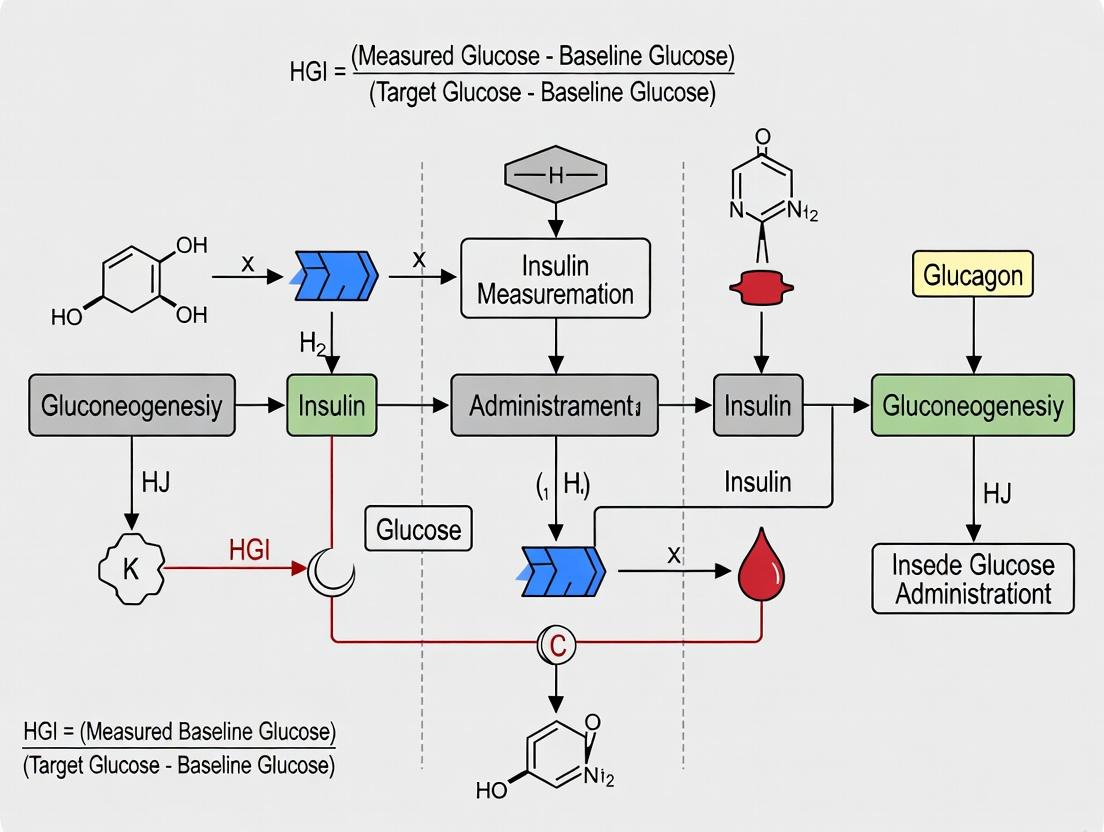
A Comprehensive Guide to HGI Calculation from ICU Glucose Data: Protocol, Validation, and Clinical Research Applications
This article provides a detailed, step-by-step protocol for calculating the Hyperglycemia Index (HGI) from continuous glucose monitoring data in the Intensive Care Unit (ICU).
Managing Missing Glucose Data in HGI Calculations: A Comprehensive Guide for Biomedical Researchers
This article provides a detailed framework for handling missing glucose data in Homeostatic Model Assessment for Insulin Resistance (HGI) calculations, a critical methodological challenge in metabolic research and drug development.
HGI Calculation & Length of Stay Adjustment: A Complete Guide for Clinical Researchers & Drug Developers
This comprehensive article explores the critical process of adjusting for length of stay (LOS) in Hospitalization-Generic Index (HGI) calculations.
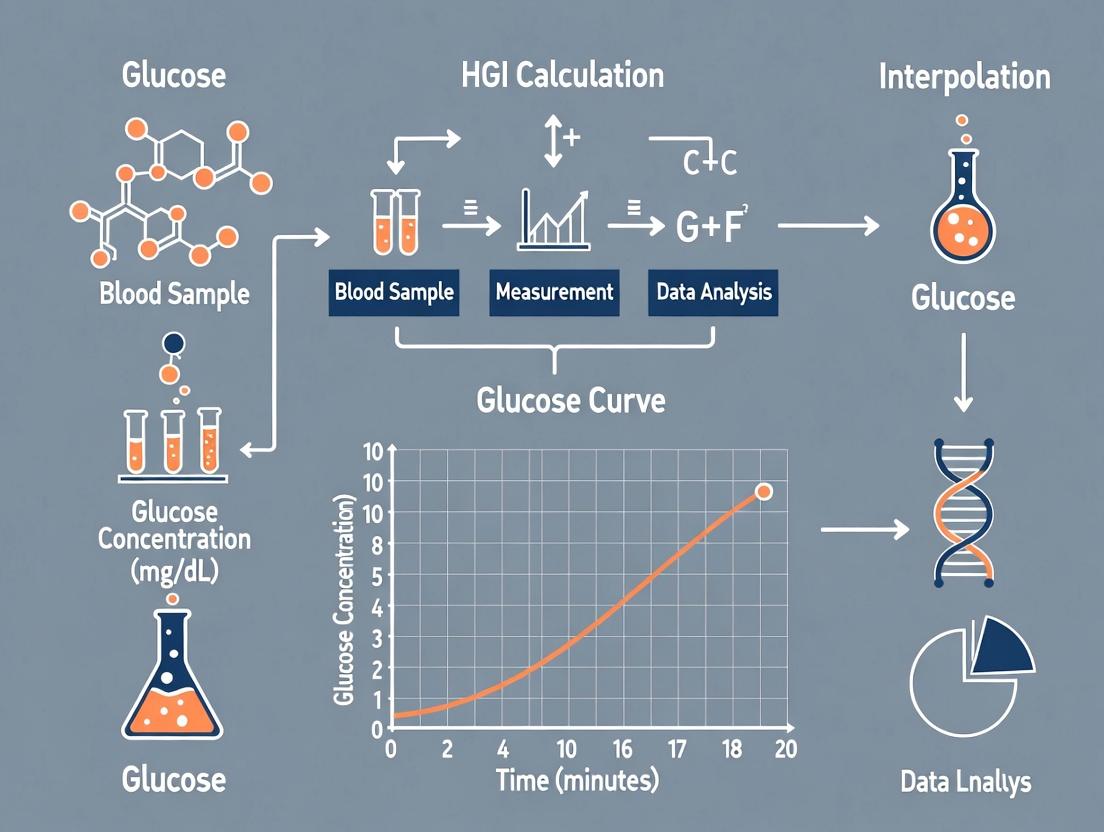
Mastering HGI Calculation: The Complete Guide to Glucose Curve Interpolation for Clinical Research
This comprehensive guide explores the methodology, application, and optimization of Homeostatic Model Assessment for Insulin Resistance (HGI) calculation through glucose curve interpolation.
HGI Calculation Errors: A Comprehensive Troubleshooting Guide for Drug Development Researchers
Human Genetic Interference (HGI) calculations are crucial for interpreting genomic data in drug discovery, yet error-prone.
Unlocking Prognostic Power: The Role of HGI Biomarkers in Critical Illness Outcomes and Personalized Medicine
This article provides a comprehensive analysis of the Host Genetic and Immune (HGI) biomarker landscape for predicting outcomes in critical illness.
HGI Binary Logistic Regression: A Comprehensive Guide to Glucose Indices Analysis for Clinical Researchers
This article provides a comprehensive guide for researchers and drug development professionals on implementing binary logistic regression for the Hyperglycemia Index (HGI).

HGI Area Under the Curve: A Comprehensive Guide to Calculation, Applications, and Validation in Drug Development
This article provides researchers and drug development professionals with a complete guide to the Human Genetic Integration (HGI) Area Under the Curve (AUC) calculation.
From Genome to ICU: The Role of Human Genetic Insights in Advancing Surgical Critical Care and Precision Medicine
This article provides a comprehensive analysis for researchers, scientists, and drug development professionals on the application of Human Genetic Insights (HGI) in surgical Intensive Care Unit (ICU) patient cohorts.