Zap Your Cravings? How an Earbud-like Device Could Rewire Your Brain's Appetite
A groundbreaking clinical trial explores how stimulating a nerve in your ear might help control food cravings by influencing the brain's reward system.
We've all been there. A long day, a stressful moment, or just the sight of a delicious dessert can trigger an intense, almost primal, craving. For many, this isn't just a minor inconvenience; it's a constant battle that makes managing weight and eating healthily feel like an uphill struggle. But what if the key to controlling these cravings wasn't in your willpower, but in your ear?
A groundbreaking clinical trial is exploring exactly that, using a non-invasive technology that gently stimulates a major nerve through the ear. It sounds like science fiction, but it's a promising frontier in neuromodulation—the science of influencing the brain through the nervous system .
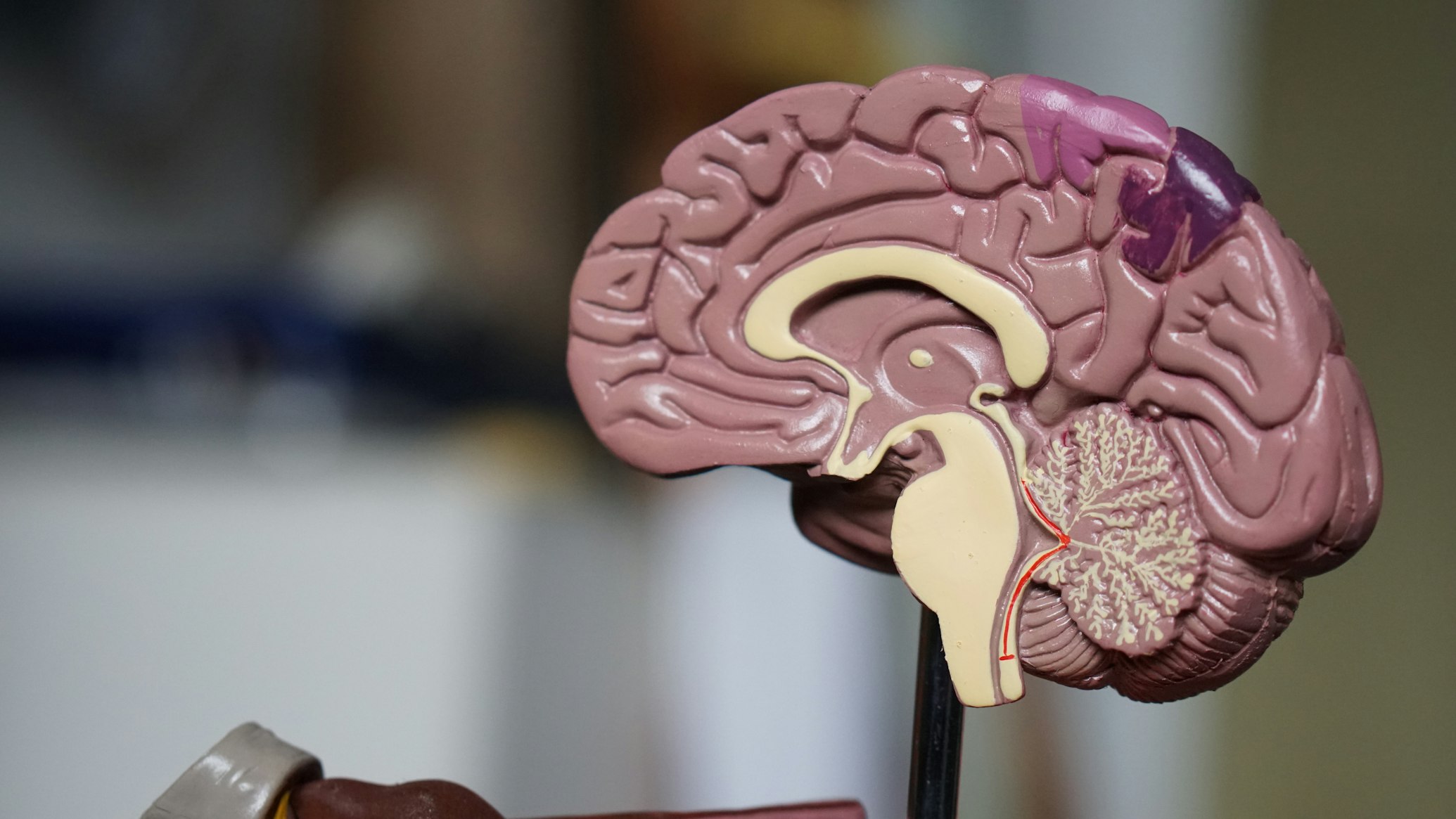
The Wizard Behind the Curtain: Meet Your Vagus Nerve
To understand how this works, we need to introduce a key player: the vagus nerve. Think of it as the body's superhighway of information. This long, wandering nerve connects your brain to your major organs, including your heart, gut, and liver. It's a two-way street, constantly sending signals about your body's state.
Crucially, the vagus nerve has a few branches that reach into the outer ear. This is our backdoor into the system. The technique being tested is called Transcutaneous Auricular Vagus Nerve Stimulation (taVNS). "Transcutaneous" simply means "through the skin," and "auricular" means "of the ear." In short, it's a way to gently stimulate the vagus nerve by placing a small device on the ear .
Brain Reward System
Cravings are linked to the brain's reward centers (like the nucleus accumbens). When you eat something highly palatable (like a sugary donut), this area lights up with dopamine, creating a feeling of pleasure and a desire for more. It's believed that taVNS can help regulate this system, reducing the intense "wanting" associated with cravings .
Gut-Brain Axis
The vagus nerve is the primary communication line between your gut and your brain. By stimulating it, researchers think we can send signals of "fullness" or "satiety" to the brain, even in the absence of food, potentially making you feel more satisfied and less driven by cravings .

A Deep Dive into the Groundbreaking Experiment
To test this theory, scientists have designed a rigorous Phase II clinical trial. The goal is clear: to determine if active taVNS is more effective than a "sham" (placebo) treatment at reducing food cravings in adults with overweight or obesity .
The Blueprint: How the Study Works
This is a "randomized, sham-controlled, double-blind" study—the gold standard in clinical research. Here's what that means, step-by-step:
Recruitment
Researchers recruit eligible participants, typically adults with a body mass index (BMI) classifying them as overweight or obese, who report significant food cravings.
Randomization
Participants are randomly assigned to one of two groups. They have a 50/50 chance of getting the real treatment or the sham.
The Setup
Active taVNS Group: A device with electrodes is clipped to the participant's tragus (the small, nub-like flap of cartilage at the front of the ear canal). This delivers a gentle, tingling electrical stimulation designed to activate the vagus nerve.
Sham taVNS Group: An identical-looking device is placed on the earlobe, an area with no vagus nerve branches. It may deliver a very minor, superficial tingling or nothing at all, creating a believable placebo.
The Blinding
Crucially, both the participant and the researcher administering the tests do not know which group is which. This "double-blind" design prevents bias from influencing the results.
The Procedure
Participants undergo a series of sessions. During each session, they receive their assigned stimulation (active or sham) while performing tasks, such as viewing food images and rating their cravings, or engaging in computer-based tests that measure impulse control.
Data Collection
Researchers collect data before, during, and after the sessions, including self-reported craving scores, physiological measures (heart rate, saliva production), and brain activity scans (fMRI) in some participants.
Active taVNS Group
Sham taVNS Group
What Are They Looking For? The Key Results
The core of the experiment is comparing the two groups. Success would look like this:
- The active taVNS group reports a significantly greater reduction in food cravings compared to the sham group.
- The active taVNS group shows improved scores on behavioral tasks measuring self-control.
- Brain scans of the active group show reduced activity in reward areas (like the nucleus accumbens) when viewing tempting food images.
Study Data Visualization
Participant Demographics
This table ensures both groups are similar at the start, making the comparison fair.
| Characteristic | Active taVNS Group (n=30) | Sham taVNS Group (n=30) |
|---|---|---|
| Average Age (years) | 42.5 | 41.8 |
| Gender (% Female) | 60% | 63% |
| Average BMI (kg/m²) | 31.2 | 31.5 |
| Baseline Craving Score (0-10) | 7.8 | 7.6 |
Hypothetical Primary Results
Change in Craving Score - This is the kind of data that would show if the treatment is working.
| Measurement | Active taVNS Group | Sham taVNS Group | Statistical Significance |
|---|---|---|---|
| Average Craving Reduction | -3.5 points | -1.2 points | p < 0.01 |
| % of Participants with >50% Reduction | 65% | 25% | p < 0.001 |
The Scientist's Toolkit
Key materials and technologies used in this taVNS research.
| Tool / Reagent | Function in the Experiment |
|---|---|
| taVNS Stimulator Device | The core hardware that generates and delivers the precise, low-level electrical current to the ear. |
| EEG Gel & Electrodes | Used to ensure good electrical contact with the skin on the tragus for consistent stimulation. |
| fMRI Scanner | A high-tech brain imaging machine used to visualize changes in blood flow and activity in the brain's reward centers in response to stimulation. |
| Food Picture Database | A standardized set of images of high-calorie and low-calorie foods, used to reliably provoke and measure cravings in all participants. |
| Visual Analogue Scales (VAS) | Simple scales (e.g., a line from "Not at all" to "Extremely") that participants use to quickly self-report their level of craving in the moment. |
"The potential of taVNS is immense. Unlike invasive surgeries or pharmaceutical drugs with systemic side effects, this approach is non-invasive, targeted, and puts the power of neuromodulation directly into a clinic—or potentially, one day, a home-setting."
A New Frontier in Managing Appetite
While it's still early days, the potential of taVNS is immense. Unlike invasive surgeries or pharmaceutical drugs with systemic side effects, this approach is non-invasive, targeted, and puts the power of neuromodulation directly into a clinic—or potentially, one day, a home-setting.
The implications extend beyond simple weight loss. For individuals struggling with binge eating disorders, severe obesity, or metabolic syndromes, taVNS could offer a tool to help recalibrate the brain's relationship with food. It's not about a magic bullet that eliminates the need for a healthy diet and exercise, but rather a potential tool to help restore the natural balance of appetite and reward, making those healthy choices easier to make .
This research is a fascinating example of how we are beginning to hack our own biology, not with chemicals, but with signals, opening a new chapter in the fight for better metabolic health.

References
References will be added here in the appropriate format.