The Tired Brain: Unraveling the Link Between Your Thyroid and Your Mind's Energy
How hypothyroidism starves your brain of fuel and what happens when treatment restores cognitive function
Introduction
Have you ever felt a "brain fog" so thick you couldn't think straight, coupled with a deep, unshakable fatigue? For millions with an underactive thyroid (hypothyroidism), this isn't just a bad day; it's a daily reality. We often think of the thyroid as governing metabolism in the body—controlling weight, temperature, and energy levels. But what about the energy for your brain?
For decades, the profound mental sluggishness experienced by patients was poorly understood, often dismissed as a mere side effect. Then, scientists turned their most powerful brain imaging tools towards this mystery, uncovering a startling truth: hypothyroidism doesn't just slow your body down; it literally starves your brain of fuel .
The Brain's Power Grid: Glucose as Fuel
Think of your brain as a bustling metropolis that never sleeps. To power its immense activity—every thought, memory, and feeling—it requires a constant and immense supply of energy. This energy comes primarily from a simple sugar: glucose.
The Glucose Highway
Glucose is delivered to the brain via the bloodstream. Once it arrives, it's transported into brain cells (neurons).
The Power Plants
Inside each neuron, tiny structures called mitochondria convert glucose into adenosine triphosphate (ATP), the fundamental currency of cellular energy.
High Demand
Although the brain is only about 2% of our body weight, it consumes a staggering 20% of the body's total glucose. Any disruption to this fuel supply has immediate and noticeable consequences.
This is where the thyroid comes in. Thyroid hormones (primarily T4 and T3) act as the master regulators of the body's metabolism. They don't just dictate how fast you burn calories; they control the metabolic rate of nearly every cell, including your neurons. The theory was simple: if thyroid hormones are low, the brain's metabolic machinery might slow down, leading to the classic symptoms of mental fatigue and cognitive fog .
A Landmark Investigation: PET Scans Illuminate the Mind
To move from theory to proof, researchers needed a way to see the brain's energy consumption in real-time. They found their tool in Positron Emission Tomography (PET).
A specific type of PET scan, known as the Fluorodeoxyglucose (FDG-PET) scan, became the key. Here's the clever part: FDG is a radioactive tracer molecule that mimics glucose. It travels to the brain and is absorbed by active neurons just like real glucose. However, once inside, it gets "stuck" and cannot be fully metabolized. This allows the PET scanner to detect where it has accumulated, creating a detailed map of the brain's glucose uptake—a direct snapshot of its energy consumption .

The Crucial Experiment: Before and After Treatment
A pivotal study was designed to settle the debate. Researchers recruited a group of patients newly diagnosed with hypothyroidism and a group of healthy volunteers.
- Patient Recruitment: A group of adults with confirmed, untreated hypothyroidism was selected, alongside a matched control group of healthy individuals.
- Baseline Scans: Before any treatment began, all participants underwent an FDG-PET scan. For patients, this captured the brain in its hypothyroid state.
- Cognitive Testing: Participants also completed standardized tests to assess memory, concentration, and processing speed.
- Intervention: The hypothyroid group then began standard Thyroid Hormone Replacement Therapy—taking a daily synthetic thyroid hormone (levothyroxine) to restore their levels to normal.
- Follow-up Scans & Tests: After several months, once blood tests confirmed the patients' thyroid levels had normalized and their symptoms had improved, the FDG-PET scans and cognitive tests were repeated.
Results and Analysis: A Brain Rebooted
The results were striking. The "before" PET scans of the untreated hypothyroid patients showed a widespread and significant reduction in glucose metabolism across multiple brain regions compared to the healthy controls. It was visual proof of a brain running on a low-power mode.

Before Treatment: Reduced glucose metabolism in hypothyroid brain
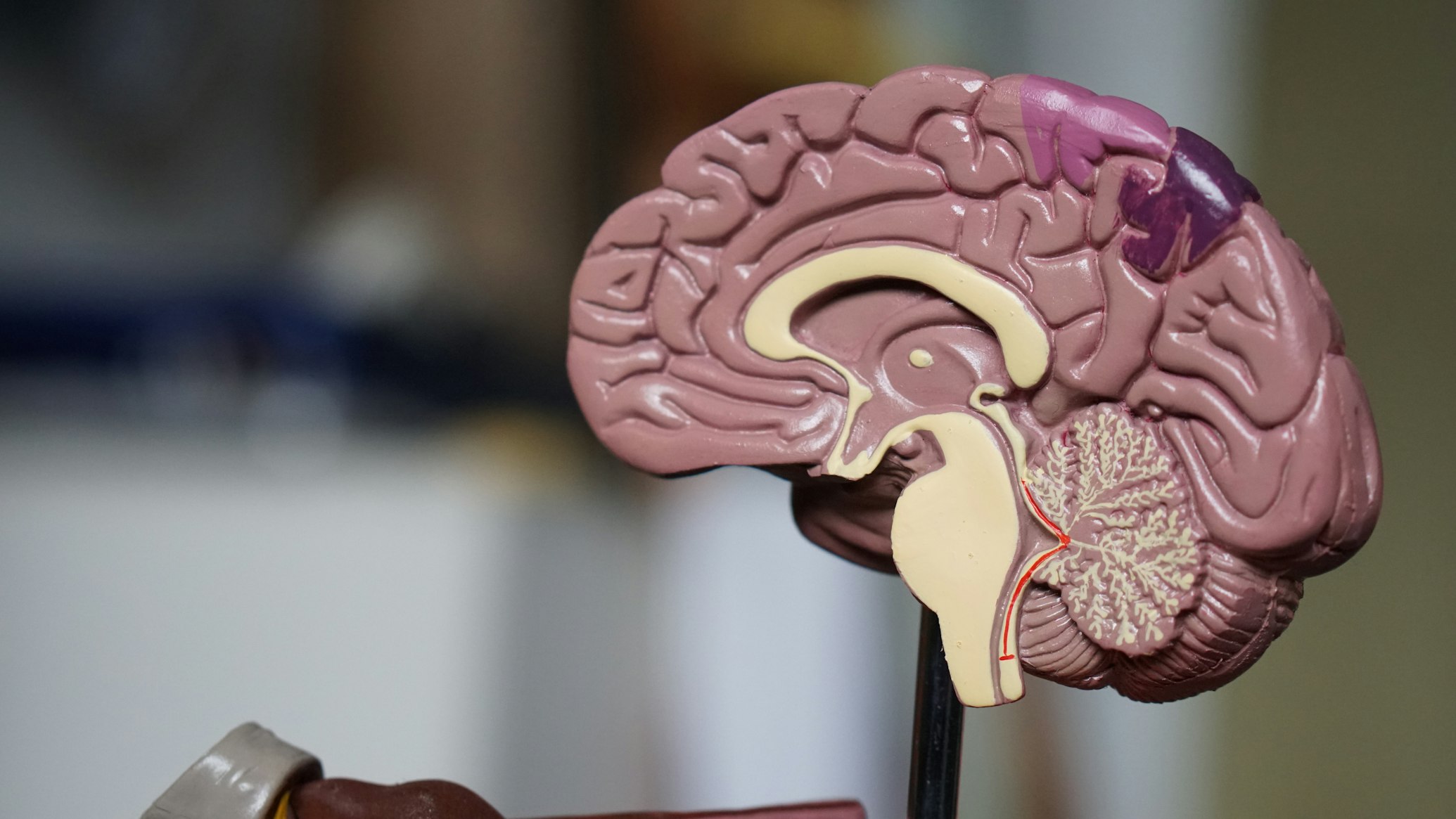
After Treatment: Restored glucose metabolism after hormone therapy
The "after" scans told a story of recovery. After thyroid hormone treatment, the patients' brain glucose metabolism had significantly increased, nearly returning to the levels seen in the healthy group. This metabolic recovery was mirrored by their improved scores on the cognitive tests.
Scientific Importance: This experiment provided the first direct, visual evidence that thyroid hormones are crucial for regulating the human brain's energy economy. It moved hypothyroidism from being viewed as a purely physical disorder to a whole-brain condition, validating patients' experiences of cognitive dysfunction and showing that these symptoms are rooted in a measurable, reversible biological process .
Data at a Glance: The Numbers Behind the Fog
The following data visualizations summarize the kind of data generated by such a PET study, illustrating the metabolic changes and their correlation with cognitive symptoms.
Standardized Uptake Value (SUV) is a common measurement in PET scans. The data shows a clear drop in metabolism across all regions in the untreated state, with near-normalization after therapy.
A simplified example of patient-reported outcomes, showing dramatic improvement in cognitive symptoms following metabolic recovery.
This illustrates that lower global brain glucose metabolism was directly linked to poorer performance on objective tests of mental function.
The Scientist's Toolkit: Research Reagent Solutions
What does it take to conduct such a detailed investigation? Here are some of the key tools and materials used in this field.
Fluorodeoxyglucose (FDG)
The radioactive glucose tracer. It acts as a "beacon" that the PET scanner detects to map and measure the rate of glucose uptake in the brain.
PET/MRI Scanner
The imaging workhorse. The PET component detects the FDG signal, while the MRI provides a high-resolution anatomical picture of the brain.
Synthetic Levothyroxine
The standardized thyroid hormone replacement therapy. Using a consistent, pharmaceutical-grade treatment ensures that metabolic changes can be reliably attributed to restoring thyroid function.
Radioimmunoassay Kits
Used to precisely measure levels of Thyroid-Stimulating Hormone (TSH), T4, and T3 in the blood. This is crucial for diagnosing hypothyroidism and confirming that hormone levels have normalized after treatment.
Standardized Cognitive Batteries
Validated sets of memory, attention, and processing speed tests. They provide objective, quantifiable data on mental function, moving beyond subjective symptom reporting .
Conclusion: From Mystery to Mechanism
The powerful before-and-after images from PET scan studies have forever changed our understanding of hypothyroidism. They translated the vague, often-misunderstood complaint of "brain fog" into a clear picture of a brain starved for energy.
This research provides profound validation for patients and crucial insight for doctors, underscoring that treating hypothyroidism is not just about correcting a blood test, but about recharging the very core of a person's consciousness. The journey from a sluggish, glucose-depleted brain to a revitalized one is a powerful testament to the intricate link between our hormones and our minds, and a reminder that sometimes, the key to clearing a foggy mind lies in balancing the body's fundamental chemistry .