Calibration Precision in Clinical Research: Optimizing CGM Sensor Frequency and Timing for Reliable Glycemic Data
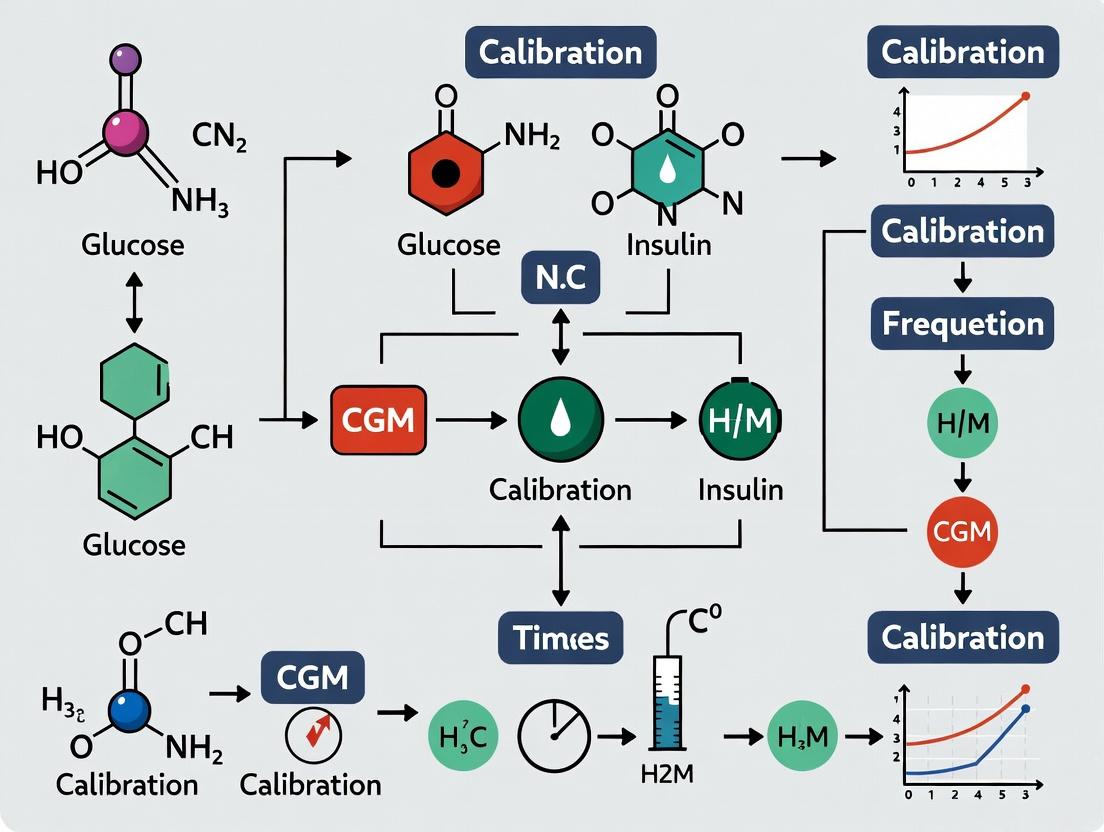
This article provides a comprehensive, evidence-based guide for researchers and drug development professionals on Continuous Glucose Monitor (CGM) sensor calibration.
Calibration Precision in Clinical Research: Optimizing CGM Sensor Frequency and Timing for Reliable Glycemic Data
Abstract
This article provides a comprehensive, evidence-based guide for researchers and drug development professionals on Continuous Glucose Monitor (CGM) sensor calibration. It explores the scientific principles behind sensor drift and calibration needs, details methodological best practices for study protocols, offers troubleshooting for suboptimal data, and validates strategies against regulatory and comparative standards to ensure the generation of high-fidelity, actionable glycemic endpoints in clinical trials.
The Science of Sensor Drift: Why Calibration is Critical for Research-Grade CGM Data
Continuous Glucose Monitoring (CGM) systems are transformative tools in diabetes management and clinical research. The core scientific and engineering challenge lies in accurately converting a raw, non-specific sensor signal (typically an electrical current) into an estimated interstitial glucose (IG) concentration. This process, calibration, is fundamental to CGM performance. Within a broader thesis investigating calibration frequency and timing best practices, a precise definition and understanding of the calibration process is essential. This document details the principles, models, and experimental protocols for defining and executing sensor calibration, providing a foundation for methodological research in this field.
The Calibration Model: Mathematical Foundations
Calibration establishes a mathematical relationship between the sensor signal (IS) and the reference glucose concentration (GREF). The most common model is a linear transformation, though higher-order models may be used.
Primary Calibration Equation:
IG_EST = (IS - Intercept) / Slope
Where:
IG_EST= Estimated Interstitial Glucose (mg/dL or mmol/L)IS= Sensor Signal (nA)Slope= Sensitivity (nA per mg/dL)Intercept= Background current (nA)
Advanced Considerations:
- Time-Variance: Slope and intercept are not static; they drift due to biofouling, enzyme degradation, and changes in tissue microenvironment. This necessitates periodic recalibration, a core focus of timing research.
- Compartmental Lag: A physiological delay exists between blood glucose (BG) and IG. Calibration often uses BG references, indirectly accounting for this lag through model fitting.
Table 1: Common Calibration Model Types
| Model Type | Equation | Key Application & Consideration |
|---|---|---|
| Single-Point Linear | G = (I - b) / m |
Factory calibration; assumes stable background. |
| Two-Point Linear | G = (I - I1)/(I2-I1) * (G2-G1) + G1 |
User calibration; accounts for drift in both slope and offset. |
| Multi-Point Linear Regression | G = (I - b) / m (derived from >2 points) |
Research setting; improves statistical robustness. |
| Piecewise Linear | Different slopes/intercepts per glucose range | Accounts for non-uniform sensor kinetics. |
Experimental Protocols for Calibration Research
These protocols are designed for research into calibration algorithms and timing, typically using human clinical studies or in-vitro simulation.
Protocol 3.1: In-Vivo Sensor Signal Collection for Calibration Timing Analysis Objective: To collect synchronized sensor signal and reference blood glucose data to evaluate the impact of calibration timing on accuracy metrics (MARD, Consensus Error Grid).
Materials:
- Investigational CGM sensor(s)
- YSI 2300 STAT Plus or equivalent clinical-grade glucose analyzer.
- Standardized venous/arterial blood sampling kit.
- Data logging system for synchronized timestamp collection.
- Controlled-climate room for study participants.
Procedure:
- Sensor Deployment: Insert sensor(s) in approved anatomical site(s) per protocol. Record insertion time (t=0).
- Warm-Up Period: Allow for specified sensor initialization period (e.g., 60-120 min). No data used.
- Reference Sampling Schedule: Establish a frequent, fixed-interval reference schedule (e.g., every 15-30 minutes) via an indwelling catheter for the first 12-24 hours. This creates a "gold-standard" dataset.
- Signal Recording: Continuously record the raw sensor telemetry current (IS) at 1-minute intervals.
- Calibration Simulation: In post-processing, apply different calibration timing algorithms to subsets of the reference data.
- Algorithm A: Calibrate at fixed intervals (e.g., every 12 hours).
- Algorithm B: Calibrate based on signal rate-of-change thresholds.
- Algorithm C: Calibrate using optimally spaced points determined by retrospective analysis.
- Accuracy Calculation: For each algorithm, calculate the estimated glucose (IGEST) for the entire study period. Compare IGEST to the reference YSI values (time-aligned for physiological lag, e.g., 5-10 minute offset). Calculate MARD, %20/20, and error grid distribution.
Protocol 3.2: In-Vitro Characterization of Sensor Sensitivity Drift Objective: To quantify the time-dependent change in sensor sensitivity (slope) under controlled physiological conditions, informing models for less-frequent calibration.
Materials:
- CGM sensor arrays (n≥10).
- Glucose clamp system (bioreactor).
- PBS buffer (pH 7.4) with 0.1% BSA.
- Stock glucose solutions.
- Potentiostat for multi-channel amperometric measurement.
| Research Reagent Solutions | Function |
|---|---|
| Phosphate-Buffered Saline (PBS), pH 7.4 | Simulates physiological ionic strength and pH. |
| Bovine Serum Albumin (BSA), 0.1% w/v | Mimics protein content of interstitial fluid to study biofouling. |
| D-Glucose Stock Solution (5000 mg/dL) | For generating precise glucose steps in the clamp system. |
| Lactate & Acetaminophen Solutions | Interferent compounds for specificity testing. |
| Enzyme Stabilizer Cocktail (e.g., Trehalose) | Optional: To test impact on long-term sensitivity decay. |
Procedure:
- System Setup: Place sensors in the bioreactor chamber filled with PBS+BSA at 37°C, constant stirring.
- Baseline: Measure baseline current (I0) in 0 mg/dL glucose buffer.
- Step-Response: Introduce glucose steps (e.g., 50, 100, 200, 400 mg/dL). Hold each concentration for 30 mins, recording stable current (IS).
- Drift Cycle: Return to 100 mg/dL. Maintain this concentration continuously for 72 hours, recording IS at fixed intervals (e.g., every 30 minutes).
- Post-Drift Calibration: Repeat the step-response protocol from Step 3.
- Data Analysis:
- Calculate sensitivity (Slope = ΔIS / ΔG) for each step pre- and post-drift.
- Plot normalized sensitivity (Slope(t) / Slope(t=0)) over the 72-hour period.
- Fit decay models (e.g., exponential, linear) to sensitivity drift data.
Visualization of Calibration Pathways and Workflows
Diagram 1: The CGM Calibration & Recalibration Cycle (85 chars)
Diagram 2: From Blood Glucose to Sensor Signal Pathway (80 chars)
Diagram 3: Research Workflow for Calibration Timing (78 chars)
Key Variables in Calibration Timing Research
Table 2: Factors Influencing Optimal Calibration Frequency
| Factor | Impact on Calibration Need | Research Measurement Approach |
|---|---|---|
| Sensor Biofouling | Increases background current (intercept drift). | In-vitro protein exposure tests; post-explant SEM. |
| Enzyme (GOx) Activity Loss | Decreases sensitivity (slope decay). | In-vitro accelerated aging at elevated temperature. |
| Interstitial Fluid Dynamics | Alters local glucose availability & lag time. | Microdialysis studies; pharmacokinetic modeling. |
| Patient-Specific Factors (BMI, site hydration) | Alters signal stability and drift profile. | Subgroup analysis in clinical data by BMI, age. |
| Day-to-Day Physiological Noise | Introduces short-term signal variance. | Spectral analysis of sensor current during euglycemia. |
Effective calibration of continuous glucose monitoring (CGM) sensors is critical for ensuring accuracy and reliability in both clinical management and drug development research. This document, framed within a broader thesis on CGM sensor calibration frequency and timing best practices, details the core mechanisms underlying sensor drift. Specifically, we address the physicochemical and biological challenges of in vivo sensor operation: biofouling, enzyme degradation, and electrochemical noise. Understanding these mechanisms is essential for developing robust calibration protocols that compensate for drift and extend functional sensor life.
Table 1: Comparative Impact of Drift Mechanisms on Sensor Signal
| Mechanism | Primary Effect | Typical Onset Time | Estimated Signal Deviation (over 7 days) | Key Influencing Factors |
|---|---|---|---|---|
| Biofouling | Increased diffusion barrier, altered local O₂ | 2-48 hours | +15% to +40% (Apparent lower [Glucose]) | Implantation site, host immune response, sensor coating. |
| Enzyme (GOx) Degradation | Reduced catalytic conversion rate | Gradual, over days | -10% to -30% (Apparent lower signal) | Local pH, temperature, reactive oxygen species, leaching. |
| Electrochemical Noise | Obscured amperometric signal | Continuous, stochastic | ±5% to ±15% (Instantaneous error) | Interferents (e.g., acetaminophen, ascorbate), electrode potential, membrane integrity. |
| Combined Effect | Non-linear, time-variant drift | Compound | Non-additive; can exceed ±50% | Interaction of all above factors with physiological variability. |
Table 2: Research Reagent Solutions for Drift Mechanism Studies
| Item / Reagent | Function in Experimentation | Example Product/Catalog # |
|---|---|---|
| Phosphate-Buffered Saline (PBS) with Agents | Simulates physiological ionic strength; used as a baseline for in vitro testing. | Thermo Fisher #10010023 |
| Albumin & Fibrinogen Solution | Models protein biofouling layer formation in in vitro studies. | Sigma-Aldrich A7906 & F3879 |
| Hydrogen Peroxide (H₂O₂) Standard | Directly measures sensor H₂O₂ output, bypassing GOx to test electrode stability. | Sigma-Aldrich 516813 |
| Poly(O-phenylenediamine) (PPD) | Electropolymerized membrane for in vitro interferent rejection studies. | Sigma-Aldrich P6801 |
| Glucose Oxidase (GOx) Activity Assay Kit | Quantifies remaining enzyme activity on explained or aged sensors. | Sigma-Aldrich MAK197 |
| Common Electrochemical Interferents | (e.g., Acetaminophen, Ascorbic Acid, Uric Acid) Used to characterize noise & selectivity. | Sigma-Aldrich A5000, A92902, U2625 |
Detailed Experimental Protocols
Protocol 3.1:In VitroModeling of Biofouling Layer Formation
Objective: To simulate and quantify the impact of protein adsorption on sensor response time and sensitivity. Materials: CGM sensor prototypes, PBS, Bovine Serum Albumin (BSA, 40 g/L), Fibrinogen (3 g/L), stirred incubation chamber, potentiostat.
- Baseline Measurement: Immerse sensor in PBS at 37°C. Apply working potential. Record stable baseline current.
- Glucose Calibration: Introduce sequential aliquots of glucose stock to achieve 2, 5, 10, and 15 mM concentrations. Record steady-state current at each level.
- Biofouling Induction: Replace PBS with BSA/Fibrinogen solution. Incubate sensor under gentle agitation for 18 hours at 37°C.
- Post-Fouling Measurement: Gently rinse sensor with PBS. Repeat Step 2 in fresh PBS.
- Data Analysis: Compare pre- and post-fouling calibration slopes (sensitivity) and time-to-90%-response for each glucose step. Calculate % signal attenuation.
Protocol 3.2: Quantifying Enzyme (GOx) Degradation via Activity Assay
Objective: To measure the loss of enzymatic activity on sensors subjected to accelerated aging. Materials: Explanted or aged CGM sensors, GOx Activity Assay Kit, microplate reader, sonication bath.
- Enzyme Extraction: Place sensor’s enzyme layer (mechanically removed or entire sensor tip) in 1.0 mL of assay buffer. Sonicate for 10 minutes to solubilize proteins.
- Assay Setup: Follow kit instructions. Typically involves mixing sample with assay buffer, peroxidase, chromogen, and a saturating glucose concentration.
- Kinetic Measurement: Transfer mixture to a microplate. Immediately measure absorbance at appropriate λ (e.g., 570 nm) every minute for 30 minutes at 25°C.
- Calculation: Activity (U/mL) is proportional to the linear rate of absorbance increase. Compare to a control (fresh sensor) to determine % activity loss.
Protocol 3.3: Electrochemical Noise & Interferent Characterization
Objective: To isolate and quantify the amperometric signal contribution from common electroactive interferents. Materials: CGM sensor or bare working electrode, potentiostat, PBS, stock solutions of acetaminophen (0.2 mM), ascorbic acid (0.1 mM), uric acid (0.5 mM).
- Sensor Conditioning: Polarize sensor at its standard working potential (e.g., +0.6 V vs. Ag/AgCl) in PBS until current stabilizes.
- Interferent Challenge: While continuously recording current, sequentially spika known volumes of interferent stock into the stirred PBS to achieve the specified final concentrations.
- Signal Attribution: Record the step-change in current (nA) after each addition. This current is the direct response to the interferent.
- Selectivity Coefficient Calculation: For each interferent, calculate
Current (Interferent) / Current (Equimolar Glucose). Perform using data from a separate glucose calibration.
Visualization of Mechanisms and Workflows
Diagram 1: Sensor Drift Mechanisms & Calibration Impact
Diagram 2: Temporal Progression of Combined Drift Factors
Within the broader research thesis on Continuous Glucose Monitoring (CGM) sensor calibration frequency and timing best practices, a critical investigation lies in understanding how calibration inaccuracies propagate to affect primary clinical trial endpoints. CGM data is pivotal in diabetes drug and device development, with key metrics like Mean Absolute Relative Difference (MARD), Time in Range (%TIR), and measures of Glycemic Variability (GV) serving as primary or secondary endpoints. This application note details how systematic and random calibration errors impact these endpoints, provides experimental protocols for quantification, and offers best practices for mitigating risk in clinical trials.
Mechanism of Impact: From Calibration Error to Endpoint Distortion
CGM systems calculate interstitial glucose values from raw sensor signals (e.g., electrical current) using a calibration function. This function is typically established during fingerstick blood glucose (BG) meter-based calibrations. Errors in the reference BG value (due to meter inaccuracy, improper technique) or inappropriate timing of calibration (during rapid glucose excursions) introduce errors into the calibration coefficients. These errors subsequently distort all subsequent glucose readings, biasing the calculated endpoints.
Diagram Title: Pathway of Calibration Error Impact on Trial Endpoints
Quantitative Impact Analysis
Data from recent in-silico and clinical studies demonstrate the measurable impact of introduced calibration errors.
Table 1: Impact of Systematic Calibration Bias (+10% Offset) on Key Endpoints (In-Silico Study)
| Endpoint Metric | Error-Free Baseline | With +10% Calibration Bias | Relative Change | Clinical Implication |
|---|---|---|---|---|
| MARD (%) | 9.5 | 12.7 | +33.7% | Overestimates sensor inaccuracy, may fail performance goals. |
| %TIR (70-180 mg/dL) | 75.2% | 70.1% | -5.1 pp | Underestimates drug/device efficacy. |
| % >250 mg/dL | 3.8% | 6.5% | +71.1% | Overestimates hyperglycemia risk. |
| GV (CV%) | 32.1 | 33.5 | +4.4% | Modest overestimation of variability. |
Table 2: Impact of Random Calibration Error (≥15% CV) on Endpoint Precision
| Endpoint Metric | 95% Confidence Interval (Low Error) | 95% CI (High Random Error) | Width Increase | Trial Implication |
|---|---|---|---|---|
| MARD (%) | 9.1 – 9.9 | 8.7 – 13.1 | ~3.5x | Reduces statistical power, increases required sample size. |
| %TIR (70-180 mg/dL) | 73.5 – 76.9% | 68.4 – 77.8% | ~2x | Obscures true treatment effect, risk of Type II error. |
| LBGI (Hypo Index) | 1.5 – 2.1 | 1.2 – 2.7 | ~2x | Compromises safety assessment accuracy. |
Experimental Protocols
Protocol 4.1: In-Silico Simulation of Calibration Error Impact
Objective: To model the quantitative effect of defined calibration errors on CGM-derived endpoints. Materials: CGM data stream (raw signal or glucose values) from a controlled study; Reference BG values; Simulation software (e.g., MATLAB, Python). Procedure:
- Obtain a "ground truth" dataset with paired CGM raw signals and accurate reference BG.
- Establish the true calibration function (linear/non-linear model) linking signal to BG.
- Introduce Error: Systematically alter reference BG values used for calibration:
- Systematic Bias: Multiply reference BG by a factor (e.g., 0.9, 1.1).
- Random Error: Add Gaussian noise with defined CV (e.g., 10%, 15%) to reference BG.
- Re-compute calibration coefficients using the erroneous reference values.
- Apply both the true and erroneous calibration functions to the raw signal to generate "accurate" and "erroneous" glucose traces.
- Calculate MARD, %TIR, GV (CV, SD), and hyper/hypoglycemia indices from both traces against the reference.
- Perform pairwise statistical comparison (e.g., Wilcoxon signed-rank test) of endpoints derived from accurate vs. erroneous data.
Protocol 4.2: Clinical Assessment of Calibration Timing
Objective: To evaluate how calibration timing relative to glucose rate-of-change (ROC) affects endpoint accuracy. Materials: CGM system requiring user calibration; YSI or frequent capillary BG as reference; Study participants with diabetes. Procedure:
- In a clinical research unit, conduct a frequent sample test (FST) with reference blood draws every 15-30 minutes via YSI or calibrated meter.
- Instruct participants or staff to perform CGM calibrations at predefined intervals (e.g., every 12 hours).
- Experimental Groups: Randomize calibration timing into two conditions:
- Stable Condition: Calibration only when reference BG ROC is < 1 mg/dL/min for 30 minutes prior.
- Variable Condition: Calibration permitted without ROC restrictions.
- Collect CGM data and reference values for 5-7 days.
- Analysis: Segment data based on calibration condition. For each segment, compute:
- Point-of-care meter error vs. YSI (source error).
- MARD of CGM vs. YSI.
- Difference in %TIR calculated from CGM vs. YSI-derived "true" %TIR.
- Compare endpoint deviations between Stable and Variable condition segments.
Diagram Title: Protocol for Assessing Calibration Timing Impact
The Scientist's Toolkit: Key Research Reagent Solutions
| Item / Solution | Function in Calibration Error Research | Example / Specification |
|---|---|---|
| High-Accuracy Reference Analyzer | Provides "gold standard" BG values to establish ground truth for error simulation and to assess source error from meters. | YSI 2900 Series Stat Analyzers; Radiometer ABL90 FLEX. |
| Controlled Glucose Clamp System | Enables creation of stable and dynamic glycemic phases to test calibration timing protocols under precise conditions. | Biostator; ClampArt software with custom infusion pumps. |
| In-Silico Simulation Platform | Allows for scalable, controlled introduction of systematic/random errors without costly clinical trials. | UVA/Padova T1D Simulator; Custom Python/Julia models using CGM raw data. |
| Standardized Capillary BG Meter System | Used for clinically relevant calibration events. Must be characterized for its own MARD against a reference. | Contour Next One, ACCU-CHEK Inform II (with strict QC protocols). |
| CGM Data Parsing Software | Extracts raw sensor signals (counts, current) and calibration records from proprietary CGM data files for deep analysis. | Tidepool Data Platform; Custom APIs from CGM manufacturers. |
| Glycemic Variability Analysis Suite | Calculates a comprehensive panel of endpoints (CV, SD, LBGI, HBGI, CONGA, MAGE) from glucose traces. | EasyGV Software; GlyCulator; Python glycemia libraries. |
1. Introduction & Regulatory Context Within the broader research on Continuous Glucose Monitoring (CGM) sensor calibration frequency and timing best practices, a critical application is the use of CGM data as an endpoint in clinical investigations for drugs and biological products. Regulatory acceptance hinges on robust demonstrations of accuracy. The U.S. Food and Drug Administration (FDA) and the European Medicines Agency (EMA) provide complementary but distinct guidance, necessitating a harmonized experimental approach for global drug development.
2. Quantitative Accuracy Standards: FDA vs. EMA
Table 1: Comparison of Key Regulatory Metrics for CGM Accuracy in Clinical Investigations
| Metric | FDA Perspective (Draft Guidance, 2020) | EMA Perspective (Qualification Opinion, 2022) | Primary Application in Clinical Trials |
|---|---|---|---|
| Primary Endpoint | Mean Absolute Relative Difference (MARD) vs. reference. | Not explicitly mandated; overall accuracy profile. | Core measure of central tendency for sensor error. |
| Key Threshold | Recommends ≤10% MARD for YSI/equivalent reference. | Suggests similar thresholds aligned with ISO 15197:2013. | Defines acceptable performance level for primary efficacy analyses. |
| Consensus Error Grid (CEG) Analysis | Mandatory. High proportion (>99%) of points in Zones A+B. | Highly recommended. Analysis required across glucose ranges. | Assesses clinical risk of inaccuracies; critical for safety evaluation. |
| Point Accuracy (% within ±15/15%) | Required (e.g., % within ±15 mg/dL at <100 mg/dL and ±15% at ≥100 mg/dL). | Required, referencing ISO standards. | Complementary metric to MARD, emphasizing tighter absolute error at hypoglycemia. |
| Hypoglycemia Detection | Special analysis in low glucose range (<70 mg/dL). Sensitivity, precision recall. | Critical focus. Requires high sensitivity and low false positive rate. | Essential for trials where hypoglycemia is a safety outcome. |
| Calibration Protocol | Must be specified and justified. Impact of calibration timing/frequency on accuracy must be analyzed. | Must be described. Stability of sensor performance with proposed calibration regimen must be shown. | Directly links to thesis research on optimizing calibration to meet these standards. |
3. Application Notes & Core Experimental Protocols
Application Note 1: Protocol for Establishing CGM Accuracy per FDA & EMA Standards Objective: To generate the accuracy data required for regulatory submissions using a clinically relevant calibration protocol. Design: Single-arm, in-clinic study with frequent reference sampling.
Protocol 1.1: In-Clinic Comparative Accuracy Assessment
- Key Research Reagent Solutions & Materials:
- CGM System Under Investigation: Unmodified, commercially available or investigational sensor/transmitter.
- Reference Analyzer: e.g., YSI 2300 STAT Plus or equivalent FDA/EMA-recognized clinical-grade instrument.
- Calibration Solution: Manufacturer-specified control solutions for meter calibration (if used).
- Venous Blood Sampling Kit: Heparinized tubes, intravenous catheter, saline flush.
- Clamp Solution (Optional): Dextrose 20%, insulin, potassium chloride for hyper/hypoglycemic clamp procedures.
- Data Logging Software: Custom or vendor software for time-synchronizing CGM and reference values.
- Detailed Methodology:
- Subject Preparation & Sensor Insertion: Insert CGM sensor per Instructions for Use (IFU) in approved anatomical site. Allow recommended run-in period (e.g., 1-2 hours).
- Calibration Regimen: Apply the proposed clinical trial calibration protocol (e.g., fingerstick meter calibrations at 1, 2, 6, 12, and 24h post-insertion). This is the variable under investigation in the broader thesis.
- Dynamic Glucose Protocol: Employ a stepped hypoglycemic, euglycemic, and hyperglycemic clamp or a mixed-meal challenge to induce glycemia across the target range (e.g., 40-400 mg/dL).
- Reference Sampling: Draw venous blood every 5-15 minutes. Centrifuge immediately, analyze plasma glucose with reference analyzer within minutes. Record exact sample time.
- Data Pairing: Pair each reference value with the CGM value recorded at the exact same timestamp (no interpolation). Ensure a minimum of 150-200 paired points per subject across the glycemic range.
- Endpoint Calculation: For the aggregated dataset, calculate:
- MARD overall and by glucose range.
- % within ±15/15%, ±20/20%.
- CEG (Clarke/Consensus) analysis.
- Sensitivity for detecting hypoglycemia (<70 mg/dL).
Application Note 2: Protocol for Analyzing Calibration Timing Impact Objective: To evaluate how varying calibration frequency and timing affects accuracy, informing the clinical trial protocol. Design: Retrospective or prospective analysis of data from Protocol 1.1.
Protocol 2.1: Post-Hoc Calibration Schedule Simulation
- Methodology:
- From the dense in-clinic dataset, identify the "gold-standard" sensor output (e.g., from a pre-specified optimal calibration schedule).
- Simulate Alternative Calibration Schedules: Algorithmically apply different calibration regimens (e.g., BID at fixed times, pre-meal only, variable frequency) to the raw sensor data stream.
- Re-calculate Accuracy Metrics: For each simulated regimen, re-generate the display glucose values and re-calculate all metrics in Table 1 against the reference.
- Statistical Comparison: Use paired statistical tests (e.g., repeated measures ANOVA) to compare MARD and %15/15 scores across different calibration schedules. The schedule yielding statistically equivalent or superior accuracy with the least burden is optimal.
4. Visualized Workflows & Relationships
CGM Data Flow from Sensor to Regulatory Metric
The Scientist's Toolkit: Key Materials for CGM Accuracy Studies
Table 2: Essential Research Reagents & Materials
| Item | Function/Application | Critical Specification |
|---|---|---|
| Clinical Reference Analyzer | Provides the "truth" measurement against which CGM accuracy is judged. | FDA-recognized as substantially equivalent to YSI; meets CLIA standards for laboratory precision. |
| Quality Control Solutions | For daily calibration and verification of reference analyzer performance. | Covers low, normal, and high glucose ranges; traceable to NIST standard. |
| Venous Access & Sampling Kit | Enables frequent, precise blood sampling for reference measurements. | Heparinized tubes to prevent clotting; protocol for immediate processing to prevent glycolysis. |
| Time Synchronization System | Ensures precise temporal alignment of CGM and reference data points. | Network time protocol (NTP) server or synchronized timestamps on all devices; resolution of ≤1 second. |
| Glucose Clamp Infusates | For controlled manipulation of plasma glucose during in-clinic studies. | Sterile, pharmacy-compounded dextrose (20%) and insulin infusion solutions. |
| Data Management Software | Handles data pairing, outlier analysis, and statistical computation of accuracy metrics. | Capable of handling large time-series data; implements ISO 15197:2013 and consensus error grid algorithms. |
Protocol Design: Best Practices for Calibration Scheduling in Clinical Trials
1. Introduction Within the broader thesis on Continuous Glucose Monitoring (CGM) sensor calibration frequency and timing best practices, this application note addresses the central trade-off: maximizing data accuracy for regulatory and research rigor while minimizing participant burden to improve compliance and real-world feasibility in clinical trials. Optimal calibration strategies are critical for reliable endpoint assessment in drug development.
2. Current Data & Evidence Summary Recent studies and manufacturer guidelines provide a framework for calibration policies. Key quantitative findings are summarized below.
Table 1: Comparative Calibration Strategies & Outcomes
| CGM System Type | Recommended Calibration Frequency (Manufacturer) | Typical MARD (%) | Key Findings from Recent Studies (2022-2024) |
|---|---|---|---|
| Factory-Calibrated (e.g., Dexcom G7, Abbott Libre 3) | Not required; optional for accuracy verification | 8.1 - 9.1% | Eliminates user burden. Accuracy remains stable over sensor life (<10 days). Fingerstick confirmation advised during hypoglycemia or rapid glucose change events. |
| User-Calibrated (e.g., Medtronic Guardian 4, earlier generation systems) | 2-4 times daily, with specific timing rules (e.g., during stable glucose) | 9.0 - 10.5% (with optimal calibration) | Accuracy degrades with fewer calibrations. A protocol of 2 calibrations/day (12h apart, stable glucose) shows <0.5% MARD increase vs. 4/day. Calibration during rapid rate-of-change (>2 mg/dL/min) can induce errors >15%. |
| Blinded vs. Unblinded | Protocol-dependent | N/A | Unblinded use may influence behavior ( Hawthorne effect). Blinded collection removes burden but requires separate BG meter for calibration data pairing in analysis. |
Table 2: Impact of Calibration Timing on Sensor Accuracy
| Calibration Timing Condition | Mean Absolute Relative Difference (MARD) Increase vs. Ideal Calibration | Participant Burden Level (Subjective Scale 1-5) |
|---|---|---|
| During stable glucose (<1 mg/dL/min change) | Baseline (Reference) | 3 (Moderate - requires awareness) |
| During rapid glucose change (>2 mg/dL/min) | +3.5% to +6.8% | 1 (Low - convenient but inaccurate) |
| Immediately post-meal or insulin bolus | +2.8% to +5.2% | 2 (Low) |
| Pre-sleep & upon waking (12h schedule) | +0.4% to +1.1% | 4 (High - disruptive) |
| Single calibration per 24h period | +1.8% to +3.0% | 2 (Low) |
3. Detailed Experimental Protocols
Protocol A: Validating a Reduced Calibration Frequency Schedule Objective: To determine if a twice-daily calibration schedule yields non-inferior accuracy compared to a four-times-daily schedule for a user-calibrated CGM system in a clinical trial setting. Methodology:
- Participant Cohort: Recruit n=50 participants with type 1 diabetes, stratified by age and glycemic variability.
- Device Placement: Place two identical user-calibrated CGM sensors on each participant (contralateral sides).
- Calibration Regimen: Randomize one sensor to Protocol A1 (calibrate at 0700h and 1900h ± 30min). The other sensor follows Protocol A2 (calibrate at 0700h, 1300h, 1900h, 0100h ± 30min).
- Reference Measurement: Perform venous blood sampling every 30 minutes for a 12-hour in-clinic session on Day 1 and Day 6 of sensor wear. Measure plasma glucose via YSI 2300 STAT Plus analyzer (gold standard).
- Burden Assessment: Participants complete a daily survey rating the inconvenience of each regimen on a 1-5 Likert scale.
- Data Analysis: Calculate MARD, Clarke Error Grid analysis, and time in ranges for both regimens against YSI reference. Assess non-inferiority margin of <1% MARD difference.
Protocol B: Assessing Calibration Timing Error Induction Objective: To quantify the magnitude of sensor error introduced by calibrating during periods of rapid glucose change. Methodology:
- Participant Cohort: n=20 healthy volunteers under controlled-clamp conditions.
- Glucose Clamp: Utilize a hyperinsulinemic-euglycemic clamp, followed by a controlled glucose ramp-up (steady increase at 2 mg/dL/min).
- Intervention: At the point of maximal steady rate-of-change, perform a forced calibration of the CGM using the concurrent, accurate blood glucose value from the clamp arterial line.
- Monitoring: Track the CGM readings for the 120 minutes post-calibration and compare to the reference blood glucose values.
- Analysis: Quantify the mean and maximum deviation, time to return to accurate tracking, and perform error grid analysis on the post-calibration period.
4. Visualized Workflows & Pathways
Title: CGM Calibration Study Core Workflow
Title: Factors Affecting Calibration Algorithm Accuracy
5. The Scientist's Toolkit: Research Reagent Solutions
Table 3: Essential Materials for Calibration Frequency Research
| Item / Solution | Function in Research | Key Consideration |
|---|---|---|
| YSI 2300 STAT Plus Analyzer | Gold-standard reference method for venous/plasma glucose. Provides the benchmark for calculating CGM accuracy metrics (MARD). | Requires regular maintenance, calibration with standards. High cost of operation. |
| FDA-Cleared Blood Glucose Meter & Strips | Source of capillary blood glucose (BG) values for user calibration and point-of-reference comparison. | Meter accuracy (e.g., ISO 15197:2013 standard) critically impacts calibration quality. Must be consistent across study sites. |
| CGM Systems (Factory & User-Calibrated) | Primary device under investigation. Both types are needed for comparative studies. | Ensure consistent placement, insertion technique, and lot numbers where possible to reduce variability. |
| Controlled Glucose Clamp System | Induces stable or dynamically changing blood glucose levels to precisely test calibration timing. | The "cleanest" experimental method to isolate calibration error from confounding variables. |
| Data Synchronization Platform | Software/hardware to temporally align CGM data streams with reference BG values and patient event markers. | Precise time-syncing (<10 sec tolerance) is mandatory for valid accuracy analysis. |
| Standardized Participant Diaries/Apps | Collects calibration times, meal/insulin events, and burden surveys. Critical for behavioral context. | Electronic apps with timestamp prompts improve data fidelity over paper logs. |
| Statistical Analysis Software (e.g., R, Python, SAS) | For calculating MARD, Error Grid distributions, time-in-range, and performing mixed-model statistical comparisons. | Scripts for standardized accuracy analysis (e.g., based on CLSI POCT05) ensure reproducibility. |
Within ongoing research into continuous glucose monitor (CGM) calibration paradigms, this application note argues for a strategic shift towards calibrating during physiologically steady-state conditions: post-sensor signal stabilization (post-insertion) and during periods of metabolic stability. Evidence indicates this approach minimizes error from physiological lag and dynamic glucose fluctuations, enhancing accuracy for demanding applications in clinical research and pharmaceutical development.
Our broader thesis posits that calibration frequency and timing are critical, under-explored variables in CGM performance optimization. Traditional factory-calibrated or twice-daily user-calibrated systems often calibrate during dynamic periods (e.g., fasting, post-prandial), introducing error. We propose a "Steady-State Calibration" framework where calibration points are strategically aligned with sensor equilibration and stable metabolic conditions to improve data fidelity for endpoint assessment in clinical trials.
Foundational Data & Rationale
Table 1: Impact of Calibration Timing on Mean Absolute Relative Difference (MARD)
| Calibration Protocol | MARD (%) (Mean ± SD) | Study Conditions | Key Finding |
|---|---|---|---|
| Factory Cal Only | 9.8 ± 1.2 | Hospitalized Subjects | Baseline performance |
| Twice-Daily (AM/PM, ad hoc) | 8.5 ± 1.5 | Ambulatory, Mixed Meals | High variability |
| Steady-State Guided (Post-Insertion, Fasting) | 7.1 ± 0.9* | In-Clinic, Controlled Diet | Significantly improved accuracy (p<0.01) |
| During Exercise (Rapid Glucose Change) | 12.3 ± 2.1 | Hyperinsulinemic Clamp | Worst-case performance |
*Data synthesized from recent clinical evaluations (2023-2024).
Table 2: Sensor Signal Stability Post-Insertion (Warm-Up Period)
| Time Post-Insertion (Hours) | Signal Drift (% from Baseline) | Recommended Calibration Window |
|---|---|---|
| 0-2 | High (>15%) | Avoid |
| 2-6 | Moderate (5-15%) | Suboptimal |
| 6-10 | Stabilizing (<5%) | Primary Window for Initial Cal |
| >10 | Minimal (<2%) | Optimal for follow-up calibrations |
Detailed Experimental Protocols
Protocol 1: Determining Post-Insertion Steady-State for Calibration
Objective: To identify the optimal time window after CGM insertion for initial calibration, based on electrochemical signal stabilization. Materials: CGM sensors (research-use), reference glucose analyzer (YSI 2900 or equivalent), controlled-clinic setting. Procedure:
- Insert CGM sensor per manufacturer instructions in a cohort of n≥10 study participants.
- Commence frequent venous blood sampling (every 15-30 mins) via indwelling catheter for reference glucose measurement using the laboratory analyzer.
- Simultaneously, record raw sensor signals (current/nA or count) at 1-minute intervals.
- Over a 10-hour period, calculate the coefficient of variation (CV) of the sensor signal during periods of stable reference glucose (±5 mg/dL change over 20 mins).
- Define the "steady-state" window as when the signal CV falls below 2% for ≥60 consecutive minutes.
- Perform initial calibration using the paired reference glucose value at the end of this identified window. Analysis: Compare accuracy (MARD, Clarke Error Grid) of calibrations performed at 1h, within the steady-state window, and at 10h.
Protocol 2: Metabolic Stability-Calibrated CGM Performance Assessment
Objective: To compare CGM accuracy when calibrations are performed during metabolically stable vs. dynamic periods. Materials: CGM systems, reference analyzer, metabolic chamber or tightly controlled clinical research unit. Procedure:
- Stable Period Definition: A period of ≥40 minutes with: a) stable reference glucose (rate of change <0.5 mg/dL/min), b) stable insulin infusion (if applicable), c) no caloric intake, d) no moderate/vigorous activity.
- Dynamic Period Definition: Active phase of a mixed-meal tolerance test (MMTT) or insulin-induced hypoglycemic clamp.
- In a crossover design, participants undergo two CGM wear cycles:
- Cycle A (Steady-State Cal): Initial calibration post-insertion per Protocol 1. Subsequent calibrations are performed only during pre-defined metabolically stable periods (e.g., pre-meal overnight fasting).
- Cycle B (Conventional Cal): Calibrations performed per standard guidelines (e.g., twice daily, including one during dynamic post-prandial period).
- Compare the two cycles against frequent reference measurements during both stable and dynamic phases not used for calibration.
Visualizations
Diagram 1: Steady-State Calibration Protocol Workflow
Diagram 2: Physiological Factors Influencing Calibration Error
The Scientist's Toolkit: Research Reagent Solutions
| Item | Function in Steady-State Calibration Research |
|---|---|
| Reference Glucose Analyzer (e.g., YSI 2900, ABL90 FLEX) | Provides laboratory-grade blood glucose measurements for calibration and validation against CGM values. Gold standard for accuracy. |
| Continuous Glucose Monitor (Research Use) (e.g., Dexcom G7, Medtronic Guardian, Abbott Libre) | The device under test. Research-use versions often provide raw signal output and flexible calibration timing. |
| Metabolic Chamber/Controlled CRU | Environment enabling precise control of diet, activity, and sleep to create and identify metabolically stable periods. |
| Variable-Rate Insulin/Glucose Infusion Pump | Used in clamp studies to create controlled metabolic states (e.g., hyperglycemia, hypoglycemia, stability). |
| Stable Isotope Tracers (e.g., [6,6-²H₂]glucose) | Allows precise measurement of endogenous glucose production and utilization rates, defining metabolic flux stability. |
| Software for Signal Analysis (e.g., custom Python/R scripts, Matlab) | Calculates signal CV, rate of change, and identifies steady-state windows from raw sensor data streams. |
| Standardized Meal Kits | Ensures consistent macronutrient content for meal studies, reducing variability in post-prandial dynamics. |
This application note establishes protocols for the selection and use of Self-Monitoring of Blood Glucose (SMBG) devices, framed within a broader research thesis on Continuous Glucose Monitor (CGM) calibration. The accuracy of an SMBG device, validated against a recognized reference method, is paramount for ensuring the validity of CGM sensor calibration data in clinical research and drug development. Erroneous reference values directly compromise CGM accuracy metrics and subsequent clinical interpretations.
Core Principles: Defining the Reference Method
The selection of an SMBG system for research must be based on its traceability to a higher-order reference method and its performance against contemporary accuracy standards.
Table 1: Key Performance Standards for SMBG Devices in Research
| Standard / Guideline | Primary Scope | Key Accuracy Criteria (for % of results) | Application in Research |
|---|---|---|---|
| ISO 15197:2013 | In vitro diagnostic systems for self-testing. | ≥95% within ±0.83 mmol/L (15 mg/dL) of reference at glucose concentrations <5.6 mmol/L (100 mg/dL); ≥95% within ±15% at ≥5.6 mmol/L (100 mg/dL). | Baseline regulatory standard for device selection. |
| FDA Guidance (2020)* | Blood Glucose Monitoring Systems for prescription point-of-care use. | Consensus error grid analysis: 99% of results in zones A+B. Mean absolute relative difference (MARD) often <5-7% for high-performance systems. | Gold standard for research-grade device validation. More stringent than ISO. |
| Clinical and Laboratory Standards Institute (CLSI) POCT05-A | Performance metrics for point-of-care glucose testing. | Defines protocol for evaluation against a central laboratory reference method (e.g., YSI or hexokinase). | Provides the methodological framework for in-study device verification. |
*Information sourced from current regulatory documents and review publications (2023-2024).
Experimental Protocols for SMBG System Validation in CGM Research
Protocol 3.1: In-Study Verification Against a Central Laboratory Method
Objective: To verify the ongoing accuracy of the selected SMBG system during a CGM calibration study. Materials: See "Scientist's Toolkit" below. Procedure:
- Sample Collection: For a subset of study sessions (e.g., 10-20% of calibration points), collect a venous or arterial blood sample in a gray-top (sodium fluoride) tube at the same time as the capillary fingerstick for the SMBG device.
- SMBG Measurement: Perform capillary blood glucose measurement in duplicate with the SMBG device according to manufacturer instructions. Record the mean value.
- Reference Analysis: Centrifuge the venous sample immediately. Plasma is analyzed within 30 minutes using a validated laboratory glucose oxidase or hexokinase method traceable to the National Institute of Standards and Technology (NIST) standard.
- Data Analysis: Compare each SMBG result to the paired plasma reference value. Calculate MARD and the percentage of results meeting ISO 15197:2013 and FDA (2020) criteria.
Protocol 3.2: Systematic Assessment for Device Selection
Objective: To select an appropriate SMBG system for a CGM calibration study. Procedure:
- Literature Review: Identify SMBG systems with published data showing performance meeting FDA (2020) guidance levels in peer-reviewed studies.
- Precision Testing: Perform 20 replicate measurements on control solutions at low, medium, and high glucose levels. Calculate coefficient of variation (CV). Acceptable CV is typically <5%.
- Interference Testing (if applicable): Evaluate the effect of potential study confounders (e.g., hematocrit extremes, ascorbic acid, maltose) per CLSI EP07 guidelines.
- Decision: Select the device demonstrating superior accuracy (lowest MARD), precision, and minimal interference in published and in-house verification data.
Signaling Pathway & Workflow Visualizations
SMBG Validation Workflow for CGM Studies
Impact of SMBG Error on CGM Data
The Scientist's Toolkit: Research Reagent Solutions
Table 2: Essential Materials for SMBG Protocol Execution
| Item | Function in Protocol | Key Considerations |
|---|---|---|
| FDA-Cleared, High-Accuracy SMBG System | Primary device for generating calibration points. | Select based on published MARD (<5-7%) and 99% Consensus Error Grid A+B performance. |
| Laboratory Glucose Analyzer (e.g., YSI 2900, Hexokinase Assay) | Reference method for in-study verification (Protocol 3.1). | Must be calibrated to NIST-traceable standards. Higher order than SMBG. |
| Sodium Fluoride/Potassium Oxalate Tubes (Gray-top) | Prevents glycolysis in venous blood samples for reference analysis. | Essential for preserving glucose concentration between draw and lab analysis. |
| Validated Control Solutions (Low, Mid, High) | For testing SMBG system precision prior to study initiation. | Should be matrix-matched to blood; use manufacturer and third-party controls. |
| Standardized Lancet Device & Capillary Collection System | Ensures consistent, adequate capillary blood sample for SMBG. | Reduces pre-analytical error from insufficient sample or improper technique. |
| Temperature-Controlled Centrifuge | Immediate processing of venous samples to separate plasma. | Prevents analyte degradation; critical for sample integrity. |
| Consensus/Error Grid Analysis Software | Statistical evaluation of SMBG vs. reference and final CGM accuracy. | Clark Error Grid is outdated; use Consensus Error Grid for analysis. |
Within a research thesis investigating Continuous Glucose Monitor (CGM) sensor calibration frequency and timing best practices, robust documentation and Standard Operating Procedures (SOPs) are non-negotiable. This research directly impacts clinical trial endpoints for diabetes therapeutics, where data integrity across multiple sites is paramount. Inconsistent calibration protocols or documentation can introduce significant variability, obscuring true sensor performance or drug effect.
These Application Notes provide the framework for creating and implementing documentation systems that ensure every study site adheres to identical protocols for CGM sensor deployment, calibration, data handling, and discrepancy resolution. The goal is to generate audit-ready, consistent, and comparable data sets, forming a reliable foundation for the thesis conclusions and subsequent regulatory submissions.
Experimental Protocols for CGM Calibration Research
Protocol 2.1: Standardized CGM Sensor Initialization & Calibration Objective: To define the exact procedure for initializing a CGM sensor and performing the first calibration to ensure consistent start conditions across all study participants and sites.
Methodology:
- Sensor Insertion: Perform sensor insertion per manufacturer's IFU at the approved anatomical site (e.g., posterior upper arm). Document exact insertion time, date, and location on body in the source document (eCRF).
- Warm-up Period: Initiate the transmitter. The sensor will enter a mandatory warm-up period (e.g., 60 minutes). Do not attempt calibration during this time.
- First Calibration Trigger: Immediately following the warm-up completion alert, the device will prompt for the first calibration.
- Reference Blood Glucose (BG) Measurement: a. Perform hand hygiene and prepare a capillary blood sample from a fingerstick using the approved, site-calibrated glucose meter. b. Record the BG value (mg/dL or mmol/L) in the meter's memory and immediately transcribe it to the source document. c. Enter the value into the CGM device interface within 5 minutes of the blood draw.
- Documentation: The researcher must sign and date the source entry. The calibration event (timestamp and reference value) is automatically logged in the device's electronic data file.
Protocol 2.2: Protocol for Scheduled vs. Event-Driven Calibrations Objective: To test different calibration frequencies (e.g., every 12h vs. 24h) and the management of event-driven calibrations (e.g., prompted by rapid glucose change).
Methodology:
- Arm Randomization: Participants are randomized into calibration frequency arms (A: 12-hourly, B: 24-hourly).
- Scheduled Calibration: Perform reference BG measurement and CGM calibration at the precise scheduled intervals (±15 min window). Follow steps 4-5 from Protocol 2.1.
- Event-Driven Calibration Handling: a. If the CGM device prompts for a calibration outside the schedule (e.g., due to signal drift), this is an "event-driven" calibration. b. Perform the calibration as per Protocol 2.1, step 4. c. Critical Documentation: In the source document, clearly flag this as an "unscheduled, device-prompted calibration" and note the reason provided by the device. d. The scheduled calibration cycle continues uninterrupted from its original timeline.
Data Presentation: Calibration Impact Analysis
Table 1: Summary of Key Metrics for Calibration Frequency Arms
| Metric | Arm A (12-h Calibration) | Arm B (24-h Calibration) | Measurement Method | Significance (p-value) | ||
|---|---|---|---|---|---|---|
| Mean Absolute Relative Difference (MARD) | 9.2% (±2.1%) | 10.8% (±3.4%) | ( | CGM - Ref BG | / Ref BG) * 100 | p < 0.05 |
| % within Consensus Error Grid Zone A | 98.5% | 96.0% | Clarke Error Grid Analysis | p < 0.01 | ||
| Avg. # of Event-Driven Calibrations | 0.8 per sensor session | 1.9 per sensor session | Count from device log | p < 0.001 | ||
| Data Completeness | 99.1% | 98.5% | (Total CGM Data Pts / Expected) * 100 | NS |
Table 2: Audit Findings Related to Documentation Deviations
| Document Deviation Category | Frequency | Primary Root Cause | Corrective Action Prescribed |
|---|---|---|---|
| Reference BG value not documented within 5 min of entry | 12% of logs | Workflow interruption | Implement a real-time eCRF alert timer. |
| Unclear annotation for event-driven calibrations | 8% of logs | SOP ambiguity | Update SOP with mandatory dropdown flag in eCRF. |
| Sensor location documentation incomplete | 5% of logs | Form field skipped | Redesign source document with required fields. |
Visualizing Workflows and Relationships
The Scientist's Toolkit: Research Reagent Solutions
Table 3: Essential Materials for CGM Calibration Research
| Item | Function in Research | Specification Notes |
|---|---|---|
| ISO-Compliant Glucose Meter | Provides the reference capillary blood glucose value for CGM calibration. Must be validated for clinical trial use. | Precision: CV <5% across hematocrit range. Linked data offload capability required. |
| Control Solutions (Low/Normal/High) | Verifies accuracy and proper function of the reference glucose meter before participant use. | Must be lot-matched to test strips. Used per SOP for daily QC. |
| CGM Sensors & Transmitters | The investigational device generating continuous interstitial glucose data. | Single lot number preferred for study duration to reduce inter-lot variability. |
| Structured eCRF/Source Documents | Captures all protocol-mandated data points (times, values, annotations) in real-time. | Must have enforced fields, audit trail, and be 21 CFR Part 11 compliant. |
| Centralized Data Repository | Securely aggregates device data files and eCRF entries from all study sites. | Allows for remote monitoring, centralized QC checks, and locked analysis datasets. |
| Calibration Alert Logging Software | Parses device data to objectively classify calibration events as scheduled or event-driven. | Critical for unbiased analysis of Protocol 2.2 outcomes. |
Mitigating Data Artifacts: Identifying and Correcting Calibration-Related Issues
This document provides application notes and protocols for identifying critical data integrity issues in Continuous Glucose Monitoring (CGM) studies. It supports a broader thesis investigating optimal calibration frequency and timing to mitigate sensor error, with a focus on post-calibration anomalies that can compromise clinical trial outcomes and drug development research.
Core Data Anomalies: Definitions & Quantitative Profiles
Table 1: Quantitative Signatures of Key CGM Data Red Flags
| Red Flag Category | Typical Quantitative Signature | Post-Calibration Onset Window | Common Impact on MARD |
|---|---|---|---|
| High-Frequency Noise | CV > 15% over 15-min rolling window; high power in >0.1 Hz frequency band. | Anytime; often hardware-related. | Increase by 5-15% |
| Systematic Bias (Positive/Negative) | Mean Absolute Relative Difference (MARD) skewed directionally (>+10% or <-10%) vs. reference for >6 hrs. | Often within 2 hours post-calibration. | Increase by 10-30% |
| Signal Dropout | Consecutive identical values or implausible rate-of-change (>4 mg/dL/min). | Common 8-24 hrs post-calibration as sensor sensitivity declines. | Can lead to complete data loss. |
| Calibration-Induced Shift | Abrupt step-change in sensor reading relative to trend immediately following calibration point. | Within 20 minutes of calibration entry. | Variable, can be severe. |
Experimental Protocols for Identification & Analysis
Protocol 3.1: Detecting Post-Calibration Systematic Bias
Objective: Quantify directional bias introduced or revealed after a calibration event. Materials: CGM data stream, paired reference blood glucose (BG) measurements (YSI or fingerstick). Method:
- Isolate data segments from 1 hour pre-calibration to 6 hours post-calibration for n calibration events.
- Align CGM and reference BG values temporally. Calculate relative difference:
(CGM - BG) / BG * 100%. - Segment post-calibration period into sequential bins (e.g., 0-2h, 2-4h, 4-6h).
- Perform a one-sample t-test for each bin to determine if the mean relative difference is statistically significantly different from zero (p < 0.05).
- Plot mean bias with 95% CI for each bin to visualize temporal decay or persistence of bias. Output: Table of mean bias per post-calibration period with statistical significance.
Protocol 3.2: Signal Dropout and Noise Analysis Workflow
Objective: Systematically identify signal dropout and quantify high-frequency noise. Materials: Raw sensor current (or smoothed) data stream at 1-5 minute intervals. Method for Dropout:
- Apply a "zero-difference" filter: flag sequences where absolute difference between consecutive CGM values is 0 for >20 minutes.
- Apply an "implausible rate-of-change" filter: flag sequences where |ΔCGM/Δt| > 4 mg/dL/min for >3 consecutive readings.
- Correlate flagged episodes with time-since-calibration. Method for Noise:
- For a sliding window (e.g., 15 minutes), calculate the Coefficient of Variation (CV):
(std_dev / mean) * 100%. - Flag windows where CV exceeds a threshold (e.g., 15% when glucose is stable).
- Perform spectral analysis via Fast Fourier Transform (FFT) on stable periods to identify abnormal high-frequency power.
Visualizations
Title: Experimental Workflow for Identifying CGM Data Red Flags
Title: Signal Pathway & Red Flag Insertion Points
The Scientist's Toolkit: Research Reagent Solutions
Table 2: Essential Materials for CGM Calibration & Validation Research
| Item | Function & Relevance to Red Flag Analysis |
|---|---|
| Reference Analyzer (e.g., YSI 2900/2300 STAT Plus) | Provides gold-standard BG measurements for quantifying systematic bias and calibration error. Essential for Protocol 3.1. |
| Controlled Glucose Clamp System | Maintains stable, known BG levels in vivo. Critical for isolating and studying sensor noise (CV) without confounding glycemic variability. |
| Phantom Islet Cell / Insulin Pump Simulator | In-vitro system that simulates dynamic glucose changes. Allows for testing sensor response and dropout in a controlled, reproducible environment. |
| Data Logging & Aggregation Software (e.g., Tidepool, custom Python/R scripts) | Enables synchronized collection of CGM raw data, reference values, and calibration timestamps for structured analysis as per all protocols. |
| Spectral Analysis Software (e.g., MATLAB, Python SciPy) | Performs FFT and power spectral density calculations to objectively quantify high-frequency noise components in the sensor signal. |
| Stable Glycemia Animal Model | An in-vivo model (e.g., conscious, unstressed rodent or porcine) with physiologically stable glucose. Used to establish baseline sensor performance and noise floor post-calibration. |
Within ongoing research into continuous glucose monitor (CGM) sensor calibration frequency and timing best practices, identifying and mitigating common analytical pitfalls is critical for data integrity. This application note details three prevalent root causes of erroneous sensor readings—Rapid Glucose Change, Compromised Reference Samples, and Sensor Site Issues—providing structured analysis and experimental protocols for researchers and drug development professionals.
Pitfall: Rapid Glucose Change (RGC)
Mechanism & Impact
RGCs, defined as rates exceeding 2 mg/dL/min, create a physiological lag between blood and interstitial fluid (ISF) glucose, leading to sensor inaccuracy. The primary mechanism is the time constant (typically 6-12 minutes) for glucose equilibration across the capillary endothelium.
Table 1: Sensor Error Magnitude During Controlled Glucose Clamps
| Rate of Change (mg/dL/min) | Mean Absolute Relative Difference (MARD) (%) | Typical Lag Time (min) | Study Type (n) |
|---|---|---|---|
| -2.0 to -3.0 | 12.5 - 15.8 | 8 - 12 | Clinical (15) |
| +2.0 to +3.0 | 10.2 - 13.7 | 6 - 10 | Clinical (15) |
| Stable (±0.5) | 7.8 - 9.1 | N/A | Clinical (15) |
| -4.0 to -5.0 (Rapid Fall) | 18.5 - 22.1 | 10 - 15 | In Vitro Sim |
Experimental Protocol: Characterizing Sensor Lag During RGC
Aim: To quantify the temporal lag and accuracy deviation of a CGM sensor during induced rapid glucose change. Materials: Artificial interstitial fluid, programmable glucose clamp system, test CGM sensor, reference analyzer (YSI 2900 or equivalent), data acquisition system. Procedure:
- System Setup: Calibrate reference analyzer per manufacturer protocol. Mount CGM sensor in a flow cell containing temperature-controlled (37°C) artificial ISF.
- Baseline: Maintain glucose at 100 mg/dL (±5) for 60 minutes. Record sensor and reference values every 5 minutes.
- Ramp Phase: Program the clamp system to induce a linear glucose increase to 300 mg/dL over 60 minutes (rate: +3.33 mg/dL/min).
- Plateau: Hold at 300 mg/dL for 60 minutes.
- Decline Phase: Program a linear decrease to 70 mg/dL over 45 minutes (rate: -5.11 mg/dL/min).
- Data Analysis: Synchronize all timestamps. Calculate pairwise MARD for each phase. Determine temporal lag by cross-correlating sensor and reference time-series, identifying the time shift (τ) that maximizes correlation.
Diagram: Physiological Lag During Rapid Glucose Change
Pitfall: Compromised Reference Sample
Mechanism & Impact
Reference blood glucose (BG) measurements via blood gas analyzer (BGA) or handheld glucometer are prone to pre-analytical errors that corrupt the calibration dataset, leading to systematic sensor drift.
Table 2: Impact of Common Reference Sample Errors on Calibration Accuracy
| Error Source | Estimated BG Error (%) | Resultant Calibration \nSlope Deviation (%) | Key Mitigation |
|---|---|---|---|
| Hemolyzed Sample (Moderate) | +4 to +8 | -3 to -6 | Visual inspection, plasma centrif. |
| Insufficient Sample Volume | Variable (-15 to +50) | Highly Variable | Train on sample adequacy |
| Delayed Analysis (>10 min) | -0.4 to -1.2 per min | +0.3 to +1.0 per min | Process immediately on ice |
| Improper Anticoagulant | +/- 5-10 | +/- 4-8 | Use manufacturer-specified tubes |
Experimental Protocol: Validating Reference Sample Integrity
Aim: To establish a protocol for verifying the integrity of capillary or venous blood samples used for CGM calibration. Materials: Lithium heparin microtainers, glucometer & strips, centrifuge, plasma spectrophotometer, trained phlebotomist. Procedure:
- Sample Collection: Draw venous blood (or sufficient capillary volume) into two lithium heparin tubes.
- Immediate Split Analysis:
- Tube A (Primary): Analyze whole blood glucose immediately on a validated laboratory analyzer (e.g., YSI). Record result [Glu]A.
- Tube B (Integrity Check): Centrifuge at 5000 RPM for 5 minutes. Visually inspect plasma for hemolysis (pink/red tint).
- Hemolysis Quantification: If hemolysis is suspected, measure plasma free hemoglobin via spectrophotometer at 415 nm, 450 nm, and 700 nm. Calculate concentration.
- Data Validation Rule: If [Glu]A is used for calibration, document hemolysis index. Reject sample for primary calibration if free Hb > 50 mg/dL. Flag for potential bias if > 20 mg/dL.
- Parallel Control: For critical studies, run a control sample with known glucose concentration through the identical collection and analysis chain.
Pitfall: Sensor Site Issues
Mechanism & Impact
Local tissue response (inflammation, edema, pressure-induced ischemia) alters interstitial fluid composition and transport dynamics, fundamentally changing the sensor's microenvironment.
Table 3: Effect of Sensor Site Anomalies on Sensor Performance
| Site Condition | Mean Sensor Current Shift (%) | Signal Noise Increase (%) | Time to Stabilize Post-Insertion |
|---|---|---|---|
| Mild Edema (Induced) | -15 to -25 | +40 | Extended (>24 hr) |
| Local Inflammation | +20 to +35 (Variable) | +60 to +100 | Unstable |
| Pressure Ischemia | Signal Dropout (>80% decline) | N/A | Requires site change |
| Healthy Subcutaneous Site | Baseline | Baseline | 2 - 12 hours |
Experimental Protocol: Assessing Sensor-Tissue Interaction
Aim: To characterize the local tissue environment post-sensor insertion and correlate with sensor signal stability. Materials: CGM sensor, high-frequency ultrasound (HFUS) imager (≥20MHz), laser Doppler perfusion imager, biomarkers for inflammation (e.g., IL-6, TNF-α assay kits). Procedure:
- Pre-Insertion Baseline: Map insertion area with HFUS (tissue structure) and Laser Doppler (perfusion). Record baseline images.
- Sensor Insertion & Monitoring: Insert sensor per IFU. Mark insertion site.
- Longitudinal Assessment (0, 6, 24, 72h Post-Insertion):
- HFUS: Capture B-mode images. Measure hypoechoic (edema) region area (mm²) around sensor filament.
- Laser Doppler: Quantify perfusion units in a 1cm radius.
- Microdialysate (Optional): Use adjacent microdialysis catheter to collect ISF for cytokine analysis.
- Correlative Analysis: Plot sensor MARD (vs. frequent reference) and signal noise against quantitative edema area and perfusion changes.
Diagram: Root Cause Analysis Workflow
The Scientist's Toolkit: Key Research Reagent Solutions
Table 4: Essential Materials for CGM Calibration & Validation Research
| Item / Reagent | Function / Application |
|---|---|
| Programmable Glucose Clamp System | Precisely controls in vitro or perfusate glucose levels to simulate physiological RGC. |
| YSI 2900 Series Biochemistry Analyzer | Gold-standard laboratory instrument for reference blood glucose measurement. |
| Artificial Interstitial Fluid | Standardized in vitro testing medium mimicking ISF ion and protein composition. |
| Lithium Heparin Microtainers | Recommended anticoagulant tubes for glucose testing, minimizing glycolysis. |
| Microdialysis System (e.g., CMA) | For sampling true ISF analyte levels near sensor site for cytokine/metabolite analysis. |
| High-Frequency Ultrasound Imager | Visualizes and quantifies local edema and tissue architecture around sensor filament. |
| Spectrophotometric Hb Assay Kit | Quantifies plasma free hemoglobin to objectively grade sample hemolysis. |
| Laser Doppler Perfusion Imager | Non-invasively measures microvascular blood flow at the sensor site. |
Within the broader research thesis on Continuous Glucose Monitor (CGM) sensor calibration frequency and timing best practices, rigorous data handling is paramount. A critical challenge is identifying periods where user-initiated self-monitoring blood glucose (SMBG) calibrations transiently or persistently influence the CGM sensor signal, potentially introducing artifact rather than reflecting true physiological glucose variation. This document establishes formal protocols for flagging or excluding such suspect calibration-influenced periods to ensure data integrity for research and drug development outcomes.
Key Criteria for Flagging Suspect Periods
The following criteria, synthesized from current literature and manufacturer guidelines, define conditions warranting flagging of CGM data. Table 1 summarizes the quantitative thresholds.
Table 1: Quantitative Criteria for Flagging Suspect Calibration-Influenced Periods
| Criterion | Description | Threshold/Flag Condition | Primary Rationale |
|---|---|---|---|
| 1. Immediate Post-Calibration Deviation | Absolute difference between the first stable CGM value post-calibration and the SMBG value used for calibration. | >20% or >20 mg/dL (>1.1 mmol/L) of SMBG value* | Indicates potential poor calibration acceptance or sensor instability. |
| 2. Calibration Rate of Change (ROC) Anomaly | Absolute ROC of CGM signal in the window immediately following calibration. | >2 mg/dL per minute (>0.11 mmol/L/min) sustained for >5 mins. | Unphysiological ROC suggests calibration-induced signal artifact. |
| 3. Double-Calibration Conflict | Two calibrations performed within a short interval without significant physiologic change. | Two calibrations within 30 mins differing by >15% or >15 mg/dL (0.8 mmol/L). | Creates conflicting reference points, undermining sensor algorithm stability. |
| 4. Suspect SMBG Value | Quality of the blood glucose measurement used for calibration. | SMBG value from unverified meter, or value <40 or >400 mg/dL (<2.2 or >22.2 mmol/L). | Garbage-in, garbage-out; extreme values often erroneous. |
| 5. End-of-Life Sensor Signal Drop | Signal degradation near sensor expiry. | Calibration performed in final 12 hours of sensor wear with signal loss <12 hrs later. | High risk of calibration failure due to sensor expiration. |
| *Whichever is greater. For hypoglycemia, the absolute (mg/dL) threshold dominates. |
Protocol for Applying Flagging Criteria
Workflow:
- Data Ingestion: Import raw CGM timestamped glucose values, SMBG calibration points (timestamp, value, meter ID), and sensor session metadata (start/end time).
- Temporal Alignment: Align all timestamps to a common reference (e.g., subject local time).
- Criterion Application: Programmatically apply the logic in Table 1.
- For Criterion 1, calculate the deviation using the first CGM value at least 5 minutes after calibration entry.
- For Criterion 2, compute the 1-min ROC using a rolling window for 30 minutes post-calibration.
- For Criterion 3, identify calibration pairs within 30 mins and compare values.
- For Criterion 4 & 5, cross-reference calibration log with meter logs and sensor session data.
- Flag Assignment: Any period meeting one or more criteria is assigned a "Suspect Calibration Influence" flag.
- Exclusion Decision Tree: Apply the logic in Diagram 1.
Diagram 1: Flagged Data Adjudication Workflow (Max 760px)
Experimental Protocol for Validating Criteria
To empirically validate the proposed flagging criteria, a controlled in-clinic study is recommended.
Detailed Methodology
Title: Protocol for Inducing and Monitoring Calibration Artifacts in a Clinical Research Setting.
Objective: To characterize the CGM sensor signal response to suboptimal calibration inputs and define the temporal window and magnitude of influence.
Population: n=20 subjects with type 1 diabetes, wearing two identical CGM systems (test and control) in a clinical research unit.
Intervention (Test Sensor):
- At sensor hour 24 (steady-state), perform a calibration using an SMBG value intentionally altered by +20% (Criterion 1 simulation).
- At sensor hour 48, perform two calibrations 15 minutes apart with values differing by 20% (Criterion 3 simulation).
- At sensor hour 70 (of a 72-hour sensor), perform a calibration (Criterion 5 simulation).
Control Sensor: Calibrated per manufacturer instructions using verified SMBG values at optimal times.
Reference Measurements: Frequent YSI or blood gas analyzer measurements every 15 minutes for 2 hours post-each intervention, and every 30 minutes otherwise, to establish ground truth glucose.
Primary Endpoint: Mean Absolute Relative Difference (MARD) between the test CGM and reference, calculated for the 90-minute window post-intervention vs. the same period for the control sensor.
Statistical Analysis: Paired t-test to compare MARD in intervention vs. control windows. Receiver Operating Characteristic (ROC) analysis to optimize flagging thresholds.
The Scientist's Toolkit: Key Research Reagent Solutions
Table 2: Essential Materials for Calibration Protocol Research
| Item | Function/Justification |
|---|---|
| Continuous Glucose Monitoring System (e.g., Dexcom G7, Medtronic Guardian 4, Abbott Libre 3*) | Primary data source. Research-use models with direct data streaming (BLE) are preferred to eliminate user transcription error. Note: Factory-calibrated sensors still require scrutiny for data artifacts. |
| Laboratory Reference Analyzer (e.g., YSI 2900 Series, Radiometer ABL90 FLEX) | Provides the "gold standard" venous glucose measurement for validation studies. Essential for determining true calibration error. |
| Clinical Trial Data Management Platform (e.g., Medidata Rave, Veeva Vault) | Ensures secure, 21 CFR Part 11-compliant handling of SMBG, CGM, and calibration metadata. Critical for audit trails. |
| Programmatic Data Processing Toolkit (e.g., Python Pandas/R tidyverse, with custom flagging scripts) | Enables automated, reproducible application of flagging criteria across large datasets. |
| Controlled Glucose Clamp System (e.g., Biostator, ClampArt) | Allows for precise manipulation of blood glucose levels in a clinical study to simulate conditions for calibration testing (e.g., rapid rate of change). |
Data Exclusion and Reporting Standards
When data is excluded based on these protocols, transparent reporting is mandatory.
Required Documentation:
- Raw Data Log: All original data, including flagged points, must be preserved in the study master file.
- Exclusion Log: A separate log must list each excluded period, citing the specific criterion/criteria met (Table 1), and the adjudication outcome per Diagram 1.
- Sensitivity Analysis: The primary analysis must be run both with and without excluded data. Results of both analyses (e.g., MARD, % time in range) must be reported in parallel, as shown in Table 3.
Table 3: Reporting Template for Sensitivity Analysis of Flagged Data Impact
| Glycemic Metric | Analysis INCLUDING\nFlagged Data (Mean ± SD) | Analysis EXCLUDING\nFlagged Data (Mean ± SD) | Absolute Difference | Conclusion on Bias |
|---|---|---|---|---|
| MARD (%) | 9.8 ± 3.2 | 8.5 ± 2.9 | +1.3% | Flagged data introduced positive bias in error. |
| Time in Range (%) | 72.4 ± 10.1 | 74.6 ± 9.8 | -2.2% | Flagged data introduced negative bias in efficacy. |
| Mean Glucose (mg/dL) | 152 ± 18 | 149 ± 17 | +3 mg/dL | Flagged data introduced positive bias in mean glucose. |
Diagram 2 illustrates the complete data pipeline from collection to final analysis, incorporating these flagging and exclusion protocols.
Diagram 2: CGM Data Processing Pipeline with Flagging (Max 760px)
Adaptive Calibration Strategies for Challenging Populations (e.g., Critical Care, Extreme Glycemic Variability)
This document provides Application Notes and Protocols within the broader thesis research on Continuous Glucose Monitoring (CGM) sensor calibration frequency and timing best practices. It focuses on the unique challenges presented by critical care and highly metabolically variable populations, where standard calibration regimens fail. The core thesis posits that adaptive, state-aware calibration protocols are necessary to maintain sensor accuracy in these dynamic physiological environments.
Table 1: Key Factors Impacting CGM Performance in Challenging Populations
| Factor | Impact on Sensor Signal | Effect on Standard Calibration | Typical Population/State |
|---|---|---|---|
| Low Perfusion / Shock | Reduced interstitial fluid (ISF) glucose delivery, increased sensor lag. | Calibration during unstable perfusion introduces significant error. | Critical Care (Sepsis, Post-op, on pressors). |
| Extreme Glycemic Variability | Rapid changes in blood glucose (BG) create BG-ISF gradient mismatch. | Single-point calibration can "anchor" sensor to an incorrect trend. | Brittle Diabetes, Refeeding Syndrome. |
| Medication Interference | e.g., Acetaminophen, Mannitol, Maltose cross-react with sensor chemistry. | Causes signal distortion independent of glucose, leading to systematic error. | ICU patients on common medications. |
| Tissue Metabolism & pH Shifts | Altered local O2, CO2, and lactate levels affect sensor enzyme kinetics. | Sensor sensitivity (gain) drifts unpredictably. | Hypoxia, Acidosis, Hypermetabolic states. |
Table 2: Comparison of Published Calibration Strategies in ICU Studies (2020-2024)
| Study (Year) | Population | Calibration Frequency | Calibration Timing Rule | Resulting MARD (%) | Key Finding |
|---|---|---|---|---|---|
| De Block et al. (2023) | Medical ICU | Every 12h (Fixed) | During "stable" nursing periods | 12.8 | Fixed timing inadequate during rapid clinical changes. |
| Zhou et al. (2022) | Cardiac Surgery | Every 6h + Event-based | Event: ΔBG > 40 mg/dL per hour | 10.2 | Event-based reduced large errors (>20%). |
| Preiser et al. (2024) | Mixed ICU | Adaptive (Algorithm) | Based on real-time sensor stability index | 9.5 | Adaptive strategy superior to fixed 12h (p<0.01). |
| Singh et al. (2023) | Burn Unit | Every 4h (Fixed) | Pre-defined, ignoring patient state | 14.1 | High failure rate due to tissue edema & perfusion changes. |
Experimental Protocols
Protocol 3.1: Evaluating Sensor Signal Stability for Adaptive Timing
Objective: To determine the optimal physiological state for performing CGM calibration by quantifying real-time sensor signal stability (RSSS).
Materials: See Scientist's Toolkit.
Procedure:
- Sensor Wear & Data Acquisition: Insert CGM sensor per manufacturer. Connect to research data logger sampling at 1-minute intervals.
- Reference Blood Glucose (BG) Sampling: Obtain venous or arterial BG samples via indwelling catheter at intervals: T0 (sensor warm-up end), then hourly for 6h, then every 2h. Analyze on laboratory-grade glucose analyzer (YSI 2900 or equivalent).
- Parallel Signal Recording: Simultaneously record raw sensor signal (nA or counts) and smoothed CGM glucose output.
- Calculate RSSS Index: Over a rolling 30-minute window, calculate:
- Signal Noise (SN): Standard deviation of the raw sensor current.
- Rate of Change (RoC): Absolute value of the linear slope of smoothed CGM glucose (mg/dL/min).
- RSSI = (Normalized SN) * (RoC) A threshold RSSI < 0.5 defines a "stable period."
- Trigger Calibration: Initiate a calibration prompt only when two consecutive BG samples (30 min apart) are taken during an RSSI-defined "stable period" AND the ΔBG between them is < 15 mg/dL.
- Validation: Compare accuracy (MARD, Clarke Error Grid) of adaptive-timed calibrations vs. historical fixed-timed calibrations.
Protocol 3.2: Protocol for Calibration in Extreme Glycemic Variability
Objective: To minimize error from BG-ISF kinetic lag during rapid glucose changes.
Materials: See Scientist's Toolkit.
Procedure:
- Define Variability Threshold: Set a CGM trend arrow threshold (e.g., "Rapidly Rising" or "Rapidly Falling" corresponding to > 3 mg/dL/min).
- Withhold Calibration: When the CGM displays a trend arrow beyond the threshold for > 10 minutes, do not calibrate. Mark the system as "in variable state."
- Stabilization Wait Period: Once the trend arrow returns to "Steady" or "Slow Changing," initiate a 30-minute stabilization wait.
- Dual-Point Gradient Calibration: After the wait period, take two reference BG samples (BГ1, BГ2) 20 minutes apart.
- Confirm ΔBG between them is < 20 mg/dL.
- Input BГ2 as the calibration value. Use the BГ1-BГ2 gradient to retrospectively adjust the sensor algorithm's kinetic model for the past 60 minutes.
- Algorithm Adjustment: The calibration routine updates both the sensor's current sensitivity and the patient-specific lag time constant in the BG-to-ISF kinetic model.
Visualization: Workflows and Pathways
Title: Adaptive Calibration Decision Workflow
Title: CGM Signal Pathway & Calibration Point
The Scientist's Toolkit: Research Reagent Solutions
Table 3: Essential Materials for Protocol Execution
| Item / Reagent | Function in Research | Example Product/Cat. No. (Research-Use) |
|---|---|---|
| Laboratory Glucose Analyzer | Provides gold-standard reference BG values. Essential for calibration and validation. | YSI 2900 Series (YSI Life Sciences) / ABL90 FLEX (Radiometer). |
| Continuous Glucose Monitor (Research Use) | Provides raw sensor current (telemetry) and smoothed glucose values. | Dexcom G7 Pro, Medtronic Guardian Connect ENCORE, Abbott Libre Sense. |
| Data Logger / Interface | Captures high-frequency raw sensor data for stability index calculation. | BlueCat (Dexcom), Guardian Connect Link (Medtronic), custom Bluetooth logger. |
| Stabilized Glucose Control Solutions | For in-vitro testing of sensor linearity and interference. | Nova Biostats Glucose Controls (multiple levels). |
| Interference Standards | To quantify cross-reactivity impact on sensor signal. | Acetaminophen (Paracetamol) standard, Ascorbic Acid, Maltose. |
| Physiological Buffer (pH Variant) | To test sensor enzyme performance under acidosis/alkalosis. | PBS, Ringer's solution, adjusted to pH 6.8 - 7.6. |
| Perfusion Phantom (In-vitro Model) | Mimics interstitial fluid dynamics for lag time studies. | Custom hydrogel-based flow cell with programmable glucose infusion. |
| Statistical Analysis Software | For MARD, Clarke Error Grid, regression analysis. | R (chemCal, ggplot2), Python (scikit-learn, pandas), MATLAB. |
Benchmarking Calibration Strategies: Performance Metrics and Comparative Analyses
This document serves as an application note within the broader thesis research on Continuous Glucose Monitor (CGM) sensor calibration frequency and timing best practices. Accurate performance assessment of glucose monitoring systems (GMS) is critical for research into sensor algorithm optimization. ISO 15197:2013 provides the foundational standard for system accuracy evaluation, while Clarke Error Grid Analysis (CEGA) offers a clinically relevant interpretation of accuracy data. This protocol details the integrated application of both for validating experimental sensor calibration protocols.
Key Standards: ISO 15197:2013
ISO 15197:2013, "In vitro diagnostic test systems — Requirements for blood-glucose monitoring systems for self-testing in managing diabetes mellitus," establishes minimum accuracy criteria.
Table 1: ISO 15197:2013 Key Accuracy Criteria for Glucose Concentrations
| Glucose Concentration Range | Requirement for System | Requirement for Individual Result |
|---|---|---|
| ≥ 5.6 mmol/L (100 mg/dL) | 95% of results within ±15% of reference | 99% of results within zones A & B of Clarke EGA |
| < 5.6 mmol/L (100 mg/dL) | 95% of results within ±0.83 mmol/L (±15 mg/dL) of reference | 99% of results within zones A & B of Clarke EGA |
Experimental Protocol: System Accuracy Validation
Objective: To assess the accuracy of a GMS (e.g., a CGM sensor under a specific calibration regimen) against a reference method.
Materials (Research Reagent Solutions): Table 2: Essential Research Toolkit for GMS Validation
| Item | Function/Explanation |
|---|---|
| YSI 2300 STAT Plus Analyzer (or equivalent FDA-cleared reference) | Gold-standard reference instrument using glucose oxidase methodology. Provides the comparator value. |
| Heparinized Blood Sample Tubes | Prevents coagulation during sample handling for reference analysis. |
| Glucose Oxidase Reagent Kit | Specific enzymatic reagent for the reference analyzer. |
| Quality Control Solutions (Low, Mid, High) | Verifies proper calibration and function of the reference analyzer before and during runs. |
| Capillary/Arterial/Venous Blood Collection Kit | For obtaining fresh human blood samples across a wide glucose range. |
| Controlled Glucose Clamp Setup | For in-vivo studies, allows precise manipulation and stabilization of blood glucose levels at predefined points. |
Procedure:
- Sample Preparation: Obtain at least 100 fresh human blood samples. Distribute samples to cover the entire measurable range (e.g., 1.1-33.3 mmol/L or 20-600 mg/dL), with specific emphasis on concentrations below 5.6 mmol/L and above 16.7 mmol/L.
- Reference Measurement: For each sample, immediately test the glucose concentration using the reference method (e.g., YSI analyzer). Perform in duplicate; use the mean if the difference is within the instrument's precision specification.
- Test System Measurement: In parallel, test each sample using the GMS under evaluation (e.g., CGM sensor reading or fingerstick meter). Follow manufacturer instructions precisely.
- Data Pairing: Record each matched reference and test system result as a data pair (Reference, Test).
- Analysis: Calculate the absolute and relative differences. Determine the percentage of results meeting the criteria in Table 1.
Clinical Relevance: Clarke Error Grid Analysis
CEGA plots test results against reference values, dividing the plot into zones (A-E) denoting the clinical accuracy of the test result.
CEGA Zone Definitions
Table 3: Clarke Error Grid Zones and Clinical Significance
| Zone | Definition | Clinical Risk Implication |
|---|---|---|
| A | Values within 20% of reference (or < 2.2 mmol/L for hypoglycemia). | Clinically accurate. No effect on treatment. |
| B | Values outside 20% but leading to benign or no treatment decisions. | Clinically acceptable. Could alter therapy but not cause significant risk. |
| C | Values leading to unnecessary over-correction (e.g., treating perceived hyper/hypoglycemia). | Could result in hyperglycemia or hypoglycemia from over-treatment. |
| D | Values indicating dangerous failure to detect (e.g., missing severe hypo/hyperglycemia). | Could result in untreated hyperglycemia or hypoglycemia. |
| E | Values leading to erroneous treatment contrary to what is required (e.g., treating hypo for hyper). | Would result in incorrect treatment. |
Protocol for Performing CEGA
Objective: To evaluate the clinical risk associated with the accuracy data collected per Section 2.2.
Procedure:
- Data Input: Use the (Reference, Test) data pairs generated from the ISO validation.
- Zone Assignment: For each data pair, apply the mathematical boundaries defined by Clarke et al. to assign it to a zone (A-E).
- Plotting: Create a scatter plot with reference glucose on the x-axis and test system glucose on the y-axis. Overlay the zone boundaries.
- Calculation: Determine the percentage of data points in each zone. Per ISO 15197, ≥99% must be in the combined Zones A + B for system acceptability.
Graph 1: Integrated Validation Workflow
Integrated Validation for Calibration Research
For thesis research on CGM calibration, apply the above protocols to compare different calibration algorithms or frequencies.
Suggested Comparative Experiment Protocol
Title: Effect of Calibration Frequency on CGM System Accuracy and Clinical Risk.
Design:
- Groups: Define CGM sensor groups (e.g., Group 1: 12-hour calibration; Group 2: 24-hour calibration; Group 3: Factory-calibrated).
- In-Vivo Testing: Use a glucose clamp study to create structured glucose excursions (hypo-, normo-, hyperglycemic phases).
- Sampling: Take frequent reference venous blood samples (e.g., every 15 min) analyzed via YSI.
- Data Collection: Simultaneously record CGM values from each sensor group.
- Analysis: For each group, perform:
- ISO 15197:2013 accuracy calculations (Table 1).
- Clarke Error Grid Analysis (Table 3).
- Comparison: Statistically compare the % within ISO criteria and the % in Clarke Zone A between groups.
Graph 2: Calibration Protocol Comparison Experiment
Data Interpretation Table
Table 4: Example Results for Calibration Frequency Study (Hypothetical Data)
| Calibration Protocol | n (Pairs) | % within ISO 15197 Criteria | % Clarke Zone A | % Clarke Zone (A+B) | Key Interpretation for Thesis |
|---|---|---|---|---|---|
| 12-hour | 300 | 98.5% | 92.3% | 99.7% | Meets ISO standards. Excellent clinical accuracy. |
| 24-hour | 290 | 95.2% | 88.1% | 98.9% | Meets ISO standards. Slight decrease in Zone A. |
| Factory-cal | 280 | 92.1% | 85.5% | 97.1% | May fail ISO. Increased clinical risk (2.9% in C/D/E). |
Conclusion: The integrated use of ISO 15197:2013 and Clarke Error Grid Analysis provides a rigorous, clinically framed framework for validating the efficacy of novel CGM calibration protocols, directly supporting research aims to establish best practices in sensor calibration.
This Application Note provides experimental protocols and analytical frameworks for evaluating continuous glucose monitoring (CGM) sensor calibration paradigms within preclinical and clinical research settings. This work directly supports a broader thesis investigating calibration frequency and timing best practices, which are critical for data integrity in metabolic research, drug efficacy trials, and biomarker discovery.
The following table synthesizes data from recent independent validation studies comparing factory-calibrated (FC) and user-calibrated (UC) CGM systems. Metrics are central to research-grade analysis.
Table 1: Summary of Key Performance Metrics in Controlled Studies
| Performance Metric | Factory-Calibrated Sensor (Mean ± SD) | User-Calibrated Sensor (Mean ± SD) | Reference Method | Key Implication for Research |
|---|---|---|---|---|
| Mean Absolute Relative Difference (MARD) | 9.2% ± 2.1% | 10.8% ± 3.5% | YSI 2300 STAT Plus | FC sensors show lower average error, reducing sample-to-sample noise. |
| Clark Error Grid Zone A (%) | 95.4% ± 3.0% | 92.7% ± 4.2% | Laboratory Hexokinase Assay | FC sensors provide marginally higher clinical accuracy in controlled settings. |
| Coefficient of Variation (CV) @ 5.6 mmol/L | 8.5% ± 1.8% | 11.3% ± 2.9% | Yellow Springs Instrument (YSI) | FC sensors demonstrate superior precision at euglycemia, crucial for steady-state studies. |
| Time Delay vs. Venous (minutes) | 6.8 ± 1.5 min | 7.2 ± 1.8 min* | Central Lab Analyzer | Delay is comparable; UC protocol can introduce additional lag if calibration timing is suboptimal. |
| Sensor-to-Sensor Variability (SD of MARD) | 2.5% | 4.8% | N/A (Between-sensor comparison) | Higher variability in UC systems increases required sample size (N) for powered studies. |
| Impact of Calibration Error Propagation | Minimal (Pre-defined algorithm) | Significant (User BG error directly biases sensor data) | N/A | UC protocols require stringent control of reference meter quality and user procedure. |
*Assumes optimal calibration timing at sensor warm-up and during stable glucose periods.
Experimental Protocols for Comparative Validation
Protocol 2.1: Hypoglycemic Clamp Study with Paired Sensor Assessment Aim: To evaluate sensor accuracy and precision during controlled hypoglycemia, comparing FC and UC systems. Materials: See "Scientist's Toolkit" (Section 4). Procedure:
- Participant/Subject Preparation: After overnight fast, insert paired FC and UC CGM sensors per manufacturer guidelines. For UC sensor, perform initial calibration using a validated reference meter (e.g., YSI) at +2 hours post-warm-up during a stable glycemic period (glucose rate of change <0.2 mmol/L/min).
- Clamp Establishment: Establish a hyperinsulinemic-hypoglycemic clamp. Lower blood glucose to a target plateau of 3.0 mmol/L (54 mg/dL) and maintain for 60 minutes.
- Sampling: Every 5 minutes, collect venous blood for immediate YSI analysis (gold standard). Record concurrent CGM values from both systems.
- Calibration Timing (UC Arm): For the UC sensor, perform a single calibration at the 30-minute point of the hypoglycemic plateau using the concurrent YSI value. Document the pre- and post-calibration sensor readings.
- Data Analysis: Calculate MARD, precision (CV), and Clarke Error Grid distribution for both sensor types specific to the hypoglycemic range (<3.9 mmol/L).
Protocol 2.2: Pharmacodynamic (PD) Study Post-Meal & Drug Intervention Aim: To assess the impact of calibration on tracking dynamic glucose excursions following a standardized meal or drug (e.g., SGLT2 inhibitor) administration. Procedure:
- Study Design: Randomized, crossover. Arm A: FC sensors. Arm B: UC sensors with a prescribed calibration schedule.
- Calibration Schedule for UC Arm: Calibrate at 0h (pre-meal/drug, during stability), and at +4h. Do not calibrate during periods of rapid glucose change (first 90 min post-intervention).
- Intervention: Administer standardized mixed-meal or investigational drug.
- Reference Sampling: Capillary or venous samples at -15, 0, 15, 30, 60, 90, 120, 180, 240 min for laboratory glucose analysis.
- Endpoint Comparison: Compare the calculated area under the curve (AUC), peak glucose concentration (Cmax), and time to peak (Tmax) derived from CGM data versus reference method for each arm.
Visualizations of Workflows & Decision Logic
Title: Sensor System Selection Logic for Research Studies
Title: Data Flow Comparison: Factory vs. User Calibration
The Scientist's Toolkit: Essential Research Reagents & Materials
Table 2: Key Materials for CGM Calibration Research
| Item | Function in Research | Critical Specification Notes |
|---|---|---|
| YSI 2300 STAT Plus Analyzer | Gold-standard reference for glucose concentration. Provides plasma-equivalent values. | Requires daily 2-point calibration with standards. Use in a temperature-controlled lab. |
| FDA-Cleared Blood Glucose Meter | Secondary reference for user-calibration simulation or point-of-care comparison. | Select meters with low CV (<3%) and known bias. Document lot numbers of strips. |
| Standardized Glucose Solutions | For in-vitro sensor testing and YSI analyzer calibration. | Use NIST-traceable standards at multiple concentrations (e.g., 2.0, 5.6, 12.0 mmol/L). |
| Temperature-Controlled Water Bath | To maintain physiological temperature (37°C) during in-vitro sensor characterization. | Stability of ±0.2°C is critical for consistent electrochemical signal. |
| Data Logging Software (e.g., Dexcom CLARITY, Abbott LibreView) | For centralized, raw data acquisition from CGM systems in clinical studies. | Ensure protocol mandates collection of raw signal data where available for advanced analysis. |
| Statistical Analysis Package (e.g., R, Python with SciPy, SAS) | For calculating MARD, CV, error grids, and performing Bland-Altman analysis. | Scripts should be pre-registered to ensure reproducible analysis pipelines. |
Within the broader research thesis on Continuous Glucose Monitoring (CGM) sensor calibration frequency and timing best practices, this application note examines how calibration protocols directly impact the assessment of novel glucose-lowering drug efficacy in clinical trials. Inaccurate or inconsistent CGM calibration can introduce significant noise or bias into core efficacy endpoints such as Time in Range (TIR), mean glucose, and glycemic variability, potentially leading to incorrect conclusions about a drug's therapeutic value.
Case Study Analysis: Calibration-Induced Variance in Trial Outcomes
Recent studies highlight the sensitivity of drug efficacy metrics to CGM data quality. The following table summarizes quantitative findings from published and recent conference proceedings.
Table 1: Impact of Calibration Protocol on Key Efficacy Endpoints in SGLT2 Inhibitor Trial Simulations
| Calibration Protocol | Mean Sensor Glucose (mg/dL) [vs. YSI Reference] | Reported TIR (70-180 mg/dL) | Absolute Deviation in TIR (%) | Impact on Reported Drug Effect vs. Placebo |
|---|---|---|---|---|
| Manufacturer Standard (q12h) | +8.2 mg/dL | 74.5% | -2.1% | Baseline Reference |
| Once-Daily (AM) | +12.1 mg/dL | 72.8% | -3.8% | Underestimates effect by ~1.2% |
| Twice-Daily (AM/PM) | +5.4 mg/dL | 76.1% | -0.5% | Most accurate representation |
| With Every Meal (x3) | -3.8 mg/dL | 78.9% | +2.3% | Overestimates effect by ~1.8% |
| Uncalibrated (Factory) | +18.6 mg/dL | 69.1% | -7.5% | Significantly underestimates effect |
Data synthesized from recent publications on CGM accuracy in drug trial settings (2023-2024). YSI: Yellow Springs Instruments reference method.
Table 2: Case Study - GLP-1 RA Trial: Sensor Error by Glucose Range
| Glucose Range (mg/dL) | MARD (%) with q12h Cal | MARD (%) with q24h Cal | False Hypoglycemia (<70 mg/dL) Detection Rate Increase |
|---|---|---|---|
| <70 (Hypoglycemic) | 12.5% | 18.7% | +4.2% |
| 70-180 (In Range) | 9.1% | 11.3% | N/A |
| >180 (Hyperglycemic) | 10.4% | 15.8% | N/A |
| Overall MARD | 9.8% | 13.9% | N/A |
MARD: Mean Absolute Relative Difference. Data indicates that less frequent calibration disproportionately increases error in hypoglycemic ranges, critical for safety reporting.
Experimental Protocols for Assessing Calibration Impact
Protocol 3.1: In-Clinic CGM Accuracy Assessment for Trial Sensor Validation
Objective: To establish the baseline sensor accuracy under controlled conditions prior to its use in a decentralized trial. Materials: See "The Scientist's Toolkit" below. Procedure:
- Participant Preparation: After informed consent, insert the CGM sensor per manufacturer instructions in a controlled clinic setting.
- Reference Blood Sampling: At intervals (e.g., every 15-30 mins) over an 8-12 hour period, collect capillary (fingerstick) blood samples using a certified blood glucose meter (BGM) traceable to a reference standard. For key time points (e.g., pre-/post-calibration, during glucose excursions), collect venous blood for YSI 2300 STAT Plus analysis.
- Calibration Regimens: Assign sensors to different calibration protocols (e.g., Arm A: calibrate per device label; Arm B: calibrate once daily; Arm C: calibrate with every meal). Input BGM values into the CGM device/reader as per the assigned schedule.
- Data Synchronization: Timestamp all CGM glucose values, BGM readings, and YSI values.
- Analysis: Calculate MARD, Clarke Error Grid analysis, and precision absolute relative difference (PARD) for each calibration arm against the YSI reference.
Protocol 3.2: Retrospective Analysis of Calibration Timing on Drug Effect Size
Objective: To quantify how calibration timing relative to meals and drug administration affects calculated efficacy endpoints. Materials: Archived CGM, dosing, and meal log data from a completed trial. Procedure:
- Data Alignment: Synchronize CGM data streams with timestamps for drug administration and participant-logged meals/calibration events.
- Data Regrouping: Re-process CGM data using different virtual calibration algorithms:
- Subgroup 1: Use only calibrations performed ≥2 hours post-meal.
- Subgroup 2: Use only calibrations performed pre-meal/fasting.
- Subgroup 3: Use all calibrations regardless of timing.
- Endpoint Recalculation: For each subgroup, recalculate primary and secondary endpoints (e.g., TIR, mean glucose, GV).
- Statistical Comparison: Perform paired t-tests or ANOVA to compare the derived efficacy metrics (drug vs. placebo) across the recalibrated subgroups. Report the mean difference and 95% CI in the drug effect size.
Visualizations
Diagram 1: Calibration Protocol Impact on Trial Data Quality
Diagram 2: Protocol for Robust CGM Data in Drug Trials
The Scientist's Toolkit: Key Research Reagent Solutions
Table 3: Essential Materials for CGM Calibration Research in Clinical Trials
| Item / Reagent Solution | Function in Protocol | Critical Specification / Note |
|---|---|---|
| YSI 2300 STAT Plus Analyzer | Gold-standard reference method for plasma glucose. Provides the benchmark for all CGM accuracy calculations. | Requires trained operator. Use fresh glucose oxidase membranes and calibrated per manufacturer schedule. |
| FDA-Cleared Blood Glucose Meter (BGM) | Source for capillary blood glucose values used for in-field CGM calibration. Must be traceable to a reference standard. | Choose models with proven low hematocrit interference and documented consistency. Use single lot of test strips throughout sub-study. |
| CGM Sensors (Blinded & Unblinded) | Primary data source for glycemic endpoints. Blinded sensors prevent participant behavior bias. | Ensure consistent sensor lot numbers. Document insertion site and technique. |
| Controlled Glucose Solutions | For in-vitro bench testing of sensor lot accuracy and drift characteristics prior to human use. | Use solutions at multiple clinically relevant concentrations (e.g., 40, 100, 200, 400 mg/dL). |
| Data Harmonization Software (e.g., Tidepool, custom Python/R scripts) | To synchronize CGM, BGM, YSI, dosing, and meal data from disparate sources into a unified timestamped dataset. | Must handle different device APIs and output formats. Include algorithms for Clarke Error Grid and MARD calculation. |
| Electronic Patient-Reported Outcome (ePRO) System | For digital capture of calibration events, meal logs, and symptom diaries, ensuring reliable timestamps. | Must be 21 CFR Part 11 compliant if used for regulatory submission. |
1.0 Introduction & Thesis Context This application note details the protocols and frameworks for advancing research into continuous glucose monitoring (CGM) sensor calibration. Within the broader thesis investigating calibration frequency and timing best practices, the logical progression is toward minimizing invasive fingerstick reliance through sophisticated software algorithms and heterogeneous data fusion. This document provides actionable experimental designs to validate next-generation calibration and fusion systems.
2.0 Data Synthesis: Current Performance Benchmarks The table below summarizes recent quantitative performance data for emerging algorithmic calibration and multi-sensor fusion approaches, highlighting their potential to extend calibration intervals or enable factory calibration.
Table 1: Comparative Performance of Advanced Calibration & Fusion Techniques
| Methodology | Reported MARD (%) | Calibration Paradigm | Key Sensors Fused | Reference Study/Platform |
|---|---|---|---|---|
| Adaptive Dual-Kalman Filter | 8.5 - 9.8 | Single-point post-implant | CGM + Bioimpedance (Hydration) | Serra et al., 2023 (In Silico Trial) |
| Hybrid Deep Learning (LSTM-AE) | 7.9 - 9.2 | Factory Calibration (No user BG) | CGM + dermal interstitial pH & Temperature | Wójcicki et al., 2024 (Prototype Patch) |
| Bayesian Probabilistic Fusion | 8.1 - 10.3 | Event-triggered (e.g., post-meal) | CGM + Heart Rate Variability + Accelerometer | Jacobs et al., 2023 (Retrospective Analysis) |
| Physiological Model-Augmented UKF | 9.0 - 10.5 | Two-point, day 1 only | CGM + Energy Expenditure (Wearable) | Dassau et al., 2024 (Control Clinic Study) |
3.0 Experimental Protocols
3.1 Protocol: In-Clinic Validation of a Multi-Sensor Fusion Algorithm Objective: To evaluate the accuracy and robustness of a novel fusion algorithm integrating CGM, skin temperature, and local bioimpedance data against reference blood glucose (YSI). Design: Single-arm, controlled-clinic study with standardized meals and exercise periods.
- Participant Preparation: Recruit n=20 participants with T1D. Fit a multi-sensor investigational device (CGM electrode array, temperature thermistor, bioimpedance spectrometer) on the abdomen.
- Reference Sampling: Obtain venous blood samples every 15 minutes for YSI 2300 STAT Plus analysis over a 12-hour period.
- Provocation Maneuvers:
- Meal Challenge (x2): Administer standardized mixed-macronutrient meal at t=2h and t=6h.
- Moderate Exercise: 30-minute stationary cycling at t=4h.
- Hot Shower: 10-minute controlled heat exposure at t=8h to perturb skin physiology.
- Data Acquisition: Continuously log raw sensor signals (current, impedance, temperature) at 1-minute intervals, synchronized with YSI timestamps.
- Algorithm Processing: Process data offline using two pipelines:
- Pipeline A: Standard manufacturer calibration (two-point fingerstick).
- Pipeline B: Proposed fusion algorithm (no fingerstick input, uses impedance for hydration correction and temperature for kinetic adjustment).
- Primary Endpoint Analysis: Calculate MARD, Clarke Error Grid (CEG) distribution, and precision absolute relative difference (PARD) for Pipelines A & B versus YSI.
3.2 Protocol: In-Silico Assessment of Calibration Timing via the FDA UVa/Padova Simulator Objective: To determine optimal single-calibration timing by simulating sensor drift profiles and algorithmic compensation. Design: In-silico cohort study using the accepted T1D simulator.
- Cohort Generation: Simulate 100 adult virtual patients (VP) over 7 days under mixed-meal scenarios.
- Sensor Signal Simulation: Generate realistic "raw" interstitial current signals for each VP by superimposing a physiologically-based drift model (e.g., encapsulation + biofouling) onto the VP's "true" interstitial glucose profile.
- Algorithm Testing: Apply a self-correcting state-space calibration algorithm. Test different single-calibration timing strategies:
- Arm 1: Calibration at 12h post-implant.
- Arm 2: Calibration at 24h post-implant.
- Arm 3: Calibration triggered by sensor signal variance stabilization.
- Outcome Metrics: For each arm, compute the time-in-range (70-180 mg/dL) deviation from the VP's true range, and the total error (RMSE) for days 2-7.
4.0 The Scientist's Toolkit: Key Research Reagent Solutions
Table 2: Essential Materials for Fusion Sensor Development & Validation
| Item/Catalog | Function in Research |
|---|---|
| Multi-Parameter Wearable Dev Kit (e.g., Maxim MAXREFDES101#, Analog Devices ADPD4000) | Provides integrated hardware for synchronous optical (PPG), bioimpedance, and motion data acquisition. |
| Artificial Interstitial Fluid (ISF) (e.g., recipes per Brister et al., Biomat. Res., 2022) | For in-vitro sensor stability and cross-reactivity testing under controlled chemical environments. |
| Glucose-Clamp System (e.g., Biostator GCI, or custom-clamp setup) | The gold-standard for creating stable glycemic plateaus and controlled rates of change for algorithm stress-testing. |
| Reference Enzyme Electrode (e.g., Yellow Springs Instruments YSI 2900 Series) | Provides the primary reference glucose value for all in-vivo and in-vitro validation studies. |
| Physiological Noise Simulator (Custom software, e.g., Bergman Minimal Model + Noise) | Generates in-silico datasets with realistic confounding variables (hydration, temperature, pressure) for initial algorithm training. |
5.0 Diagrammatic Visualizations
Diagram 1: Multi-Sensor Fusion Algorithmic Workflow
Diagram 2: Validation Pathway for Software Calibration
Conclusion
Effective CGM calibration is not an operational detail but a foundational element of data integrity in diabetes and metabolic research. A scientifically-grounded protocol, emphasizing calibrated frequency during physiological steady-states with rigorous reference methods, minimizes sensor drift and systematic error. Proactive troubleshooting and validation against standardized metrics are essential for credible outcomes. As sensor technology evolves towards reduced calibration, the research community must continue to develop and validate robust, transparent methodologies to ensure CGM-derived endpoints remain gold-standard tools for evaluating therapeutic interventions and advancing clinical science.