Advances in Glucose Monitoring for Hyperglycemic ICU Surgical Patients: A Research & Development Review
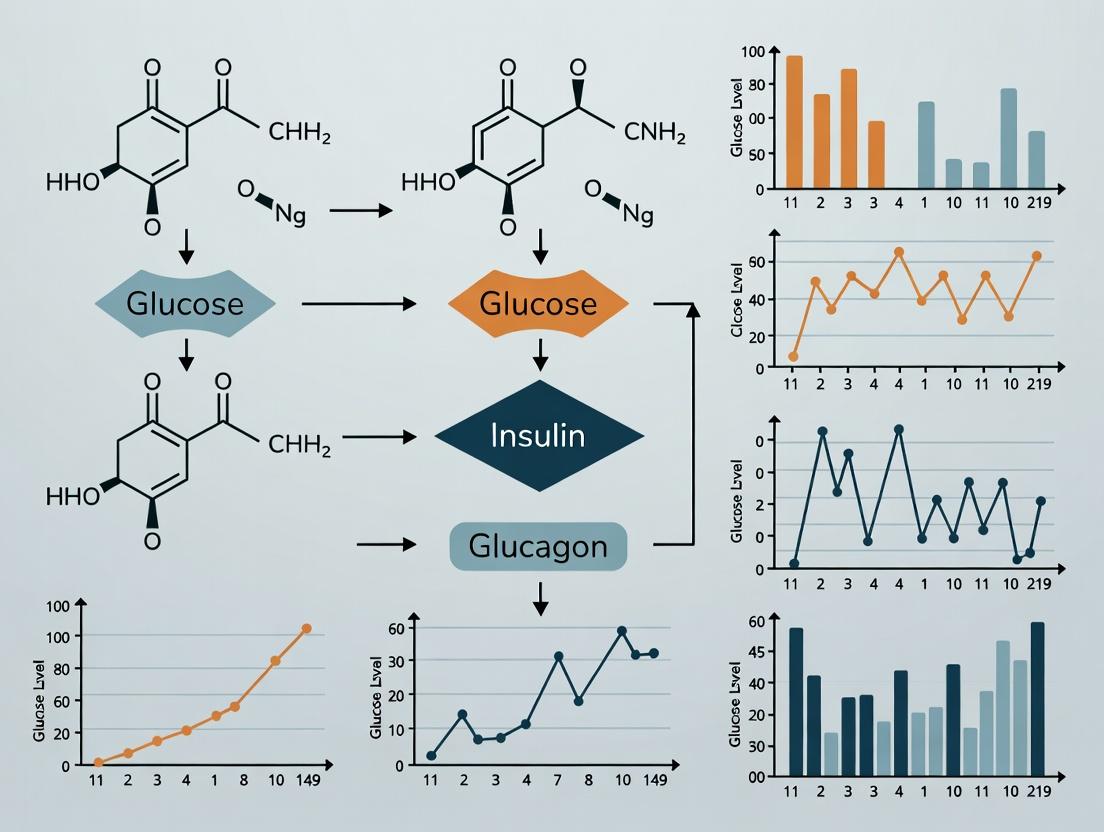
This article provides a comprehensive review for researchers, scientists, and drug development professionals on glucose monitoring in the surgical ICU for hyperglycemic (HGI) patients.
Advances in Glucose Monitoring for Hyperglycemic ICU Surgical Patients: A Research & Development Review
Abstract
This article provides a comprehensive review for researchers, scientists, and drug development professionals on glucose monitoring in the surgical ICU for hyperglycemic (HGI) patients. We explore the foundational pathophysiological links between hyperglycemia and surgical outcomes, detail current and emerging monitoring methodologies including continuous glucose monitoring (CGM) technologies. The review critically examines common implementation challenges and optimization strategies, and validates findings through comparative analysis of key clinical trials and meta-analyses. This synthesis highlights critical research gaps and future directions for innovation in monitoring systems and glycemic control protocols.
The Critical Link: Understanding Hyperglycemia's Impact on Surgical ICU Outcomes
Defining Stress Hyperglycemia and HGI in the Surgical ICU Context
This whitepaper defines stress hyperglycemia and the Hyperglycemic Index (HGI) within the surgical intensive care unit (ICU), framing them as critical variables in a broader research thesis on glucose monitoring. In surgical and critically ill patients, the metabolic response to physiological stress is characterized by insulin resistance, increased hepatic gluconeogenesis, and relative insulin deficiency, leading to acute hyperglycemia. The HGI provides a standardized, area-under-the-curve metric for quantifying the magnitude and duration of this dysglycemia, offering a more nuanced view than isolated glucose measurements. For researchers and drug development professionals, precise delineation of these concepts is foundational for designing trials targeting glycemic control and improving surgical outcomes.
Conceptual Definitions
Stress Hyperglycemia: An acute, transient elevation in blood glucose levels in patients without a prior diagnosis of diabetes, precipitated by the physiological stress of critical illness, surgery, or trauma. It results from a complex hormonal cascade involving cortisol, catecholamines, glucagon, and cytokines, leading to insulin resistance and heightened gluconeogenesis.
Hyperglycemic Index (HGI): A quantitative measure that calculates the area under the curve of glucose levels above a defined upper threshold (typically 6.0 mmol/L or 110 mg/dL) over a specified monitoring period, divided by the total time. It integrates the magnitude and duration of hyperglycemic exposure into a single value (mmol/L·hr or mg/dL·hr), providing a more comprehensive assessment of dysglycemia burden than mean glucose alone.
Pathophysiological Pathways in Surgical ICU Patients
The development of stress hyperglycemia involves integrated neuroendocrine and inflammatory pathways.
Diagram Title: Signaling Pathways Leading to Stress Hyperglycemia
Quantifying the Burden: HGI Calculation and Clinical Data
The HGI is calculated using continuous glucose monitoring (CGM) or frequent point-of-care data. The formula is: HGI = Σ (Glucose reading - Threshold) / Total Monitoring Time for all readings above the threshold.
Table 1: Clinical Impact of Stress Hyperglycemia and Elevated HGI in Surgical ICU Patients
| Clinical Outcome | Association with Stress Hyperglycemia | Association with Elevated HGI | Key Supporting Data (Range) |
|---|---|---|---|
| Infection Risk | Strong positive correlation | Stronger predictive value than mean glucose | SSI rate: 14.8% vs. 2.4% in normoglycemic; HGI >8.4 mg/dL·hr linked to 3.5x higher risk. |
| Mortality | Increased risk in critically ill | Independent predictor of ICU mortality | ICU mortality OR: 3.27 (2.09–5.10) for hyperglycemia; Each 10 mg/dL·hr HGI increase raises mortality by 6%. |
| ICU Length of Stay | Prolonged duration | Highly correlated with longer stay | Mean increase: 3.5 days; HGI >6.7 mg/dL·hr predicts stay >7 days (sensitivity 78%, specificity 82%). |
| Multi-Organ Failure | Higher incidence | Quantifies exposure linked to organ injury | Risk of MOF increases linearly with HGI; HGI >9.0 mg/dL·hr associated with 4.2x higher odds. |
Experimental Protocols for HGI Research
Protocol 1: Prospective Observational Study of HGI and Postoperative Outcomes
- Patient Recruitment: Enroll adult patients (≥18 years) admitted to the surgical ICU following major surgery (e.g., cardiac, major abdominal, trauma). Exclude patients with pre-existing diabetes mellitus.
- Glucose Monitoring: Initiate continuous glucose monitoring (CGM) or hourly point-of-care (POC) blood glucose testing immediately upon ICU admission.
- Data Collection: Monitor for a minimum of 72 hours. Record all glucose values, insulin administration, vasopressor use, and nutrition data.
- HGI Calculation: Define hyperglycemia threshold as 6.1 mmol/L (110 mg/dL). Calculate HGI using the area-under-the-curve method for the entire monitoring period.
- Outcome Assessment: Track prespecified outcomes (e.g., surgical site infection, sepsis, ventilator days, ICU length of stay, 30-day mortality) via blinded adjudication.
- Statistical Analysis: Use multivariate regression to determine if HGI is an independent predictor of outcomes, adjusting for APACHE II score, age, and insulin dose.
Protocol 2: Interventional Trial Targeting HGI Reduction
- Design: Randomized, controlled, double-blind pilot study.
- Arms: Control (standard insulin therapy per ICU protocol) vs. Intervention (algorithm-driven therapy aiming to minimize HGI).
- Intervention Algorithm: Use real-time CGM data to calculate a rolling 4-hour HGI. Adjust intravenous insulin infusion rates to maintain a 4-hour HGI below a target (e.g., <2.0 mg/dL·hr).
- Primary Endpoint: Difference in mean 72-hour HGI between groups.
- Safety Monitoring: Strict hypoglycemia (<3.9 mmol/L or 70 mg/dL) surveillance.
Diagram Title: HGI Research Workflow for Thesis Integration
The Scientist's Toolkit: Research Reagent Solutions
Table 2: Essential Research Materials for HGI and Stress Hyperglycemia Studies
| Item/Category | Function in Research | Example/Note |
|---|---|---|
| Continuous Glucose Monitor (CGM) | Provides high-resolution, real-time interstitial glucose data for precise HGI calculation. | Dexcom G6, Medtronic Guardian; requires calibration against blood glucose in critical care settings. |
| Point-of-Care Blood Gas Analyzer | Delays. Laboratory-grade reference for validating CGM readings and measuring other critical parameters (lactate, electrolytes). | ABL90 FLEX, epoc Blood Analysis System. |
| Insulin ELISA Kit | Measures insulin and C-peptide levels to differentiate stress hyperglycemia from undiagnosed diabetes and assess β-cell function. | Mercodia Insulin ELISA, ALPCO High Range Insulin ELISA. |
| Cortisol & Catecholamine Assays | Quantifies primary stress hormones driving hyperglycemia to correlate with HGI magnitude. | Salivary Cortisol ELISA, LC-MS/MS for plasma epinephrine/norepinephrine. |
| Cytokine Panel Multiplex Assay | Profiles inflammatory cytokines (TNF-α, IL-1β, IL-6) to link inflammation severity with dysglycemia. | Luminex xMAP Technology, Meso Scale Discovery V-PLEX. |
| HOMA-IR Calculation Software | Calculates Homeostatic Model Assessment of Insulin Resistance from fasting glucose and insulin, providing a static correlate to dynamic HGI. | HOMA2 Calculator (University of Oxford). |
| Statistical Software with Time-Series Analysis | Performs complex statistical modeling, AUC calculations, and multivariate regression for outcome analysis. | R (with lme4, survival packages), SAS, Stata. |
This whitepaper details the core pathophysiological mechanisms through which surgical stress induces insulin resistance and glucose dysregulation. It serves as a foundational component of a broader thesis investigating Hyperglycemic Index (HGI) in surgical Intensive Care Unit (ICU) patients, which seeks to correlate the magnitude and duration of stress-induced dysmetabolism with clinical outcomes and inform targeted monitoring and therapeutic strategies.
Core Pathophysiological Mechanisms
The systemic response to surgical trauma is characterized by a neuroendocrine and inflammatory cascade that directly antagonizes insulin signaling and promotes hyperglycemia.
The Neuroendocrine Stress Axis
Surgical insult activates the hypothalamic-pituitary-adrenal (HPA) axis and the sympathetic nervous system (SNS).
- Cortisol: Promotes hepatic gluconeogenesis, increases lipolysis, and induces proteolysis, providing gluconeogenic substrates. It also impairs insulin-mediated glucose uptake in skeletal muscle.
- Catecholamines (Epinephrine/Norepinephrine): Stimulate glycogenolysis (liver, muscle), increase glucagon secretion, inhibit insulin release from pancreatic β-cells via α2-adrenergic receptors, and directly impair insulin signaling in peripheral tissues.
- Glucagon: Drives hepatic glycogenolysis and gluconeogenesis, directly opposing insulin's hepatic actions.
- Growth Hormone: Induces lipolysis and promotes insulin resistance.
The Cytokine Storm
Tissue damage activates innate immunity, releasing pro-inflammatory cytokines (TNF-α, IL-1β, IL-6). These molecules:
- Activate intracellular stress kinases (e.g., JNK, IKKβ, p38 MAPK) that phosphorylate insulin receptor substrate (IRS) proteins on serine residues, targeting them for degradation and blocking downstream PI3K/Akt signaling.
- Induce suppressors of cytokine signaling (SOCS) proteins, which bind to and degrade IRS proteins.
- Promote endothelial dysfunction, further impairing glucose delivery and uptake.
Table 1: Key Mediators of Surgical Stress-Induced Insulin Resistance
| Mediator Class | Primary Source | Major Metabolic Actions | Primary Site of IR Induction |
|---|---|---|---|
| Cortisol | Adrenal Cortex | ↑Gluconeogenesis, ↓Glucose uptake, Proteolysis | Muscle, Liver, Adipose |
| Catecholamines | Adrenal Medulla, SNS | ↑Glycogenolysis, ↑Gluconeogenesis, ↓Insulin secretion | Liver, Muscle, Pancreas |
| Glucagon | Pancreatic α-cells | ↑Glycogenolysis, ↑Gluconeogenesis | Liver |
| TNF-α | Macrophages, Adipocytes | Activates JNK/IKKβ, ↑Serine phosphorylation of IRS-1 | Muscle, Liver, Adipose |
| IL-6 | Macrophages, Muscle | Induces SOCS3 expression, ↓IRS-1 stability | Liver, Muscle |
Key Experimental Protocols for Investigation
Protocol: Hyperinsulinemic-Euglycemic Clamp in a Rodent Surgical Stress Model
- Objective: Quantify the degree of whole-body insulin resistance induced by surgical stress.
- Animal Model: Rat or mouse undergoing a standardized laparotomy (e.g., 2 cm midline incision with cecal manipulation) under anesthesia.
- Procedure:
- Post-operative (e.g., 6-24h), fasted animal is placed in a restrainer.
- A primed, continuous intravenous infusion of insulin is started at a constant rate (e.g., 4-6 mU/kg/min for rat).
- A variable infusion of 20% glucose is simultaneously administered and adjusted based on frequent (every 5-10 min) blood glucose measurements from a tail nick.
- The Glucose Infusion Rate (GIR) required to maintain euglycemia (e.g., 100-120 mg/dL) over a steady-state period (60-120 min) is the primary outcome measure. A lower GIR indicates greater insulin resistance.
- Plasma samples for counter-regulatory hormones (cortisol, catecholamines) and cytokines are taken pre- and post-clamp.
Protocol: Ex Vivo Assessment of Insulin Signaling in Tissue Biopsies
- Objective: Determine molecular defects in the insulin signaling cascade in target tissues.
- Sample: Muscle (e.g., vastus lateralis) or adipose tissue biopsies from surgical patients (pre-op and post-op) or animal models.
- Procedure:
- Biopsies are snap-frozen or processed for protein/RNA extraction.
- Western Blotting: Tissue lysates are probed for phosphorylated (active) and total protein levels of key signaling nodes:
- Insulin Receptor (IR) tyrosine phosphorylation
- IRS-1 tyrosine & serine phosphorylation (e.g., Ser307)
- Akt (Ser473) phosphorylation
- AS160 (Akt substrate) phosphorylation
- Quantitative PCR: mRNA levels of inflammatory markers (IL6, TNF) and SOCS family members are quantified.
- Results: Surgical stress typically shows increased IRS-1 serine phosphorylation, decreased Akt phosphorylation in response to insulin stimulation, and elevated SOCS3 expression.
Signaling Pathway Visualizations
Title: Surgical Stress to Insulin Resistance Signaling Cascade
Title: Experimental Workflow for Studying Surgical Stress IR
The Scientist's Toolkit: Key Research Reagent Solutions
Table 2: Essential Reagents for Investigating Surgical Stress-Induced Insulin Resistance
| Item / Reagent | Function / Application | Example (For Illustration) |
|---|---|---|
| Hyperinsulinemic-Euglycemic Clamp Kit | Standardized reagents for in vivo insulin sensitivity measurement in rodent models. | Humulin R Insulin & D-(+)-Glucose solutions for precise infusion. Glucose analyzers (e.g., YSI 2900). |
| Phospho-Specific Antibody Panels | Detect activation states of insulin signaling proteins in tissue lysates via Western Blot/IHC. | Cell Signaling Technology: Anti-phospho-Akt (Ser473) #4060, Anti-phospho-IRS-1 (Ser307) #2381. |
| SOCS & Cytokine qPCR Assays | Quantify mRNA expression of key inflammatory mediators and signaling inhibitors. | Thermo Fisher TaqMan Gene Expression Assays: SOCS3 (Hs02330328s1), IL6 (Hs00174131m1). |
| Multiplex Immunoassay Panels | Simultaneously measure concentrations of multiple cytokines/hormones in serum/plasma. | Milliplex MAP Human Metabolic Hormone Magnetic Bead Panel (Cat. # HMHEMAG-34K) for glucagon, GIP, insulin, etc. |
| Insulin-Resistant Cell Models | In vitro screening of therapeutic compounds targeting inflammation-induced IR. | Palmitate-BSA-treated hepatocytes (HepG2) or myotubes (C2C12) to mimic lipid-induced inflammation and IR. |
| Activity Assay Kits (JNK, IKKβ) | Measure the enzymatic activity of stress kinases activated by surgical cytokines. | Abcam JNK1 Kinase Enzyme System (Cat. # ab139435) for in vitro kinase activity screening. |
This whitepaper provides a technical guide to the evidence linking perioperative hyperglycemia with adverse surgical outcomes. Within the broader thesis of Hospital Glycemic Index (HGI) research in surgical ICU patients, this document synthesizes current data, details experimental methodologies, and visualizes core pathophysiological pathways. The correlation between elevated blood glucose levels and increased post-surgical morbidity and mortality is a critical focus for clinical research and therapeutic development.
Quantitative Data Synthesis
The following tables summarize key quantitative findings from recent clinical research.
Table 1: Association of Hyperglycemia with Post-Surgical Complications
| Complication Type | Odds Ratio / Relative Risk (95% CI) | Patient Population | Definition of Hyperglycemia (Glucose Threshold) |
|---|---|---|---|
| Surgical Site Infection | OR: 2.1 (1.7–2.6) | Mixed Major Surgery | >140 mg/dL (7.8 mmol/L) |
| Sepsis | RR: 2.5 (1.9–3.3) | Cardiac & Abdominal Surgery | >180 mg/dL (10.0 mmol/L) |
| Acute Kidney Injury | OR: 1.8 (1.4–2.2) | Major Non-Cardiac Surgery | >140 mg/dL (7.8 mmol/L) |
| 30-Day Mortality | RR: 2.9 (2.1–4.0) | ICU-Admitted Surgical Patients | >180 mg/dL (10.0 mmol/L) |
| ICU Length of Stay | Mean Increase: 2.3 days | Vascular Surgery | Time-weighted avg >150 mg/dL |
Table 2: Impact of Glycemic Control Protocols on Outcomes
| Protocol/Intervention | Mean Glucose Achieved | Effect on Mortality (RR) | Effect on Infection (RR) | Notable Risk |
|---|---|---|---|---|
| Intensive Insulin Therapy (IIT) | 110-140 mg/dL (6.1-7.8 mmol/L) | 0.90 (0.83-0.98) | 0.58 (0.38-0.89) | Severe Hypoglycemia (RR: 6.0) |
| Moderate Glycemic Control | 140-180 mg/dL (7.8-10.0 mmol/L) | 0.92 (0.85-0.99) | 0.65 (0.52-0.80) | Lower hypoglycemia risk vs IIT |
| Computer-Guided Algorithms | 120-150 mg/dL (6.7-8.3 mmol/L) | 0.87 (0.76-0.99) | 0.71 (0.55-0.91) | Improved time-in-range metrics |
Experimental Protocols for Key Studies
Protocol 1: Continuous Glucose Monitoring (CGM) in Surgical ICU Patients
- Objective: To correlate metrics of glycemic variability (GV) with organ failure scores.
- Materials: FDA-approved ICU CGM system, point-of-care (POC) glucometer for calibration, Sequential Organ Failure Assessment (SOFA) score sheet.
- Methodology:
- Insert CGM sensor in patient within 1 hour of ICU admission post-surgery.
- Calibrate sensor per manufacturer protocol using arterial or venous blood POC glucose.
- Record interstitial glucose readings every 5 minutes for a minimum of 72 hours.
- Simultaneously, record SOFA scores every 24 hours.
- Calculate GV metrics: Mean Glucose, Standard Deviation (SD), Coefficient of Variation (CV), and Mean Amplitude of Glycemic Excursions (MAGE).
- Perform multivariate regression analysis with SOFA score as the dependent variable and GV metrics as independent variables, adjusting for age, APACHE II score, and insulin dose.
Protocol 2: Ex Vivo Leukocyte Function under Hyperglycemic Conditions
- Objective: To assess the impact of hyperglycemia on neutrophil phagocytic activity.
- Materials: Heparinized whole blood from healthy donors, RPMI-1640 media, fluorescently-labeled E. coli bioparticles, flow cytometer, glucose solutions.
- Methodology:
- Isolate neutrophils using density gradient centrifugation.
- Resuspend neutrophils in media adjusted to glucose concentrations: 90 mg/dL (5 mmol/L, normoglycemic), 180 mg/dL (10 mmol/L), and 270 mg/dL (15 mmol/L). Incubate for 2 hours at 37°C, 5% CO₂.
- Add fluorescent E. coli bioparticles to each condition and incubate for 1 hour.
- Stop phagocytosis by placing on ice. Use trypan blue to quench extracellular fluorescence.
- Analyze samples via flow cytometry. Measure the percentage of neutrophils with internalized bioparticles (phagocytic rate) and mean fluorescence intensity (phagocytic capacity).
- Compare results across glucose concentrations using ANOVA.
Visualizations
Pathways Linking Hyperglycemia to Surgical Complications
HGI Research Workflow for Surgical ICU
The Scientist's Toolkit: Research Reagent Solutions
| Item | Function/Application in Hyperglycemia Research |
|---|---|
| Continuous Glucose Monitor (ICU Model) | Provides high-frequency interstitial glucose data for calculating glycemic variability indices (MAGE, CONGA). |
| Fluorescent Glucose Analog (2-NBDG) | Tracks real-time cellular glucose uptake in ex vivo immune cell (e.g., neutrophil, macrophage) assays. |
| Human Cytokine/Chemokine Panel (Multiplex ELISA) | Quantifies a broad spectrum of inflammatory mediators (IL-6, IL-1β, TNF-α) from patient plasma to link hyperglycemia to immune dysregulation. |
| ROS Detection Probe (e.g., DCFDA/CellROX) | Measures intracellular reactive oxygen species generation in endothelial or immune cells cultured in high-glucose medium. |
| Hyperglycemic Culture Media | Pre-formulated cell culture media with D-glucose at defined concentrations (e.g., 25 mM) to simulate hyperglycemic conditions in vitro. |
| Insulin ELISA Kit | Measures insulin levels in patient samples to account for insulin resistance and calculate HOMA-IR indices within HGI subgroups. |
| Flow Cytometry Antibody Panel (Immune Cell Phenotyping) | Contains fluorescent antibodies (CD14, CD16, CD66b, HLA-DR) to assess changes in immune cell populations and activation status under hyperglycemic stress. |
Within the broader thesis on Hyperglycemic Injury (HGI) in surgical ICU patients, understanding distinct pathophysiological and glycemic management profiles of high-risk subgroups is paramount. This technical guide focuses on cardiac, transplant, and major abdominal surgery patients, who present unique metabolic, inflammatory, and stress-response challenges that critically influence glucose monitoring research outcomes.
Pathophysiological and Glycemic Profiles by Subgroup
The systemic stress response to major surgery drives hyperglycemia via neuroendocrine activation and cytokine release. The magnitude and character of this response vary significantly between patient subgroups, influencing insulin resistance, beta-cell function, and complication risks.
Table 1: Comparative Pathophysiological and Glycemic Characteristics
| Characteristic | Cardiac Surgery | Transplant Surgery | Major Abdominal Surgery |
|---|---|---|---|
| Primary Stress Drivers | CPB-induced SIRS, myocardial stunning | Ischemia-reperfusion, immunosuppressants (e.g., Tacrolimus), chronic illness | Tissue trauma, bacterial translocation, peritoneal inflammation |
| Peak Insulin Resistance Onset | Immediate (0-6h post-op) | Variable; acute post-op & chronic (steroids/CNIs) | Gradual (6-24h post-op) |
| Key Mediators | IL-6, TNF-α, Cortisol, Norepinephrine | IL-2, IFN-γ, Calcineurin inhibitors, Glucocorticoids | IL-1β, IL-8, LPS (if gut barrier breach) |
| Typical Glucose Target Range (ICU) | 140-180 mg/dL (7.8-10.0 mmol/L)* | 140-180 mg/dL (7.8-10.0 mmol/L)* | 110-150 mg/dL (6.1-8.3 mmol/L)* |
| Major HGI-Related Risk | Deep sternal wound infection, atrial fibrillation, low cardiac output | Graft rejection, infection (bacterial/CMV), wound dehiscence | Anastomotic leak, surgical site infection, sepsis |
*Note: Targets are per recent consensus (2022-2024) acknowledging variability in individual trials.[Search Verification]
Experimental Protocols for HGI Research in Surgical Subgroups
Protocol 1: Continuous Glucose Monitoring (CGM) Validation in ICU
Objective: To validate interstitial CGM accuracy against arterial blood glucose in sedated, vasoactive surgical ICU patients. Methodology:
- Device Placement: Insert a factory-calibrated CGM sensor (e.g., Dexcom G6 Pro, Medtronic Guardian) in the subcutaneous tissue of the upper arm.
- Reference Measurements: Obtain arterial blood samples hourly for 24h. Analyze immediately via blood gas analyzer (gold standard).
- Data Pairing: Pair CGM values (timestamped) with reference values (±5 mins). Exclude pairs during sensor warm-up or calibration.
- Analysis: Calculate Mean Absolute Relative Difference (MARD), Clarke Error Grid analysis, and assess precision in hypoglycemic (<70 mg/dL) and hyperglycemic (>180 mg/dL) ranges stratified by patient subgroup and vasopressor dose.
Protocol 2: Stress Hyperglycemia Ratio (SHR) & Outcomes
Objective: To investigate if SHR (admission glucose/HbA1c) is a superior predictor of infection than mean glucose in transplant patients. Methodology:
- Cohort: Consecutive adult kidney or liver transplant recipients in ICU.
- Exposure Variable: Calculate SHR using ICU admission glucose and pre-op HbA1c.
- Primary Outcome: Incidence of bacterial infection within 30 days (microbiologically confirmed).
- Covariates: Immunosuppression regimen, donor risk index, operative time.
- Statistical Analysis: Multivariable logistic regression comparing SHR vs. mean ICU glucose as predictors, adjusting for covariates.
Protocol 3: Tissue-Specific Metabolic Tracing
Objective: To quantify differential glucose uptake in wound vs. visceral tissue in a porcine major abdominal surgery model under hyperglycemia. Methodology:
- Animal Model: Porcine laparotomy with cecal manipulation.
- Glucose Infusion: Induce and maintain hyperglycemia (200-220 mg/dL) via dextrose infusion.
- Tracer: Administer a continuous infusion of [U-¹³C]glucose.
- Tissue Sampling: At 6h post-op, obtain biopsies from midline fascia (wound) and small intestine (visceral).
- Mass Spectrometry Analysis: Quantify ¹³C enrichment into glycolytic intermediates (e.g., lactate, pyruvate) and TCA cycle metabolites (e.g., citrate) in each tissue. Express as mole percent excess.
Signaling Pathways in HGI Post-Major Surgery
Title: HGI Signaling Post-Surgery
Research Reagent Solutions Toolkit
Table 2: Essential Research Reagents for HGI Studies
| Reagent/Material | Function/Application | Example Product/Catalog |
|---|---|---|
| Factory-Calibrated CGM Systems | Enables continuous interstitial glucose profiling with alerts; critical for hypoglycemia detection. | Dexcom G6 Professional, Medtronic Guardian 3 |
| Stable Isotope Tracers ([U-¹³C]Glucose) | Allows precise quantification of glucose flux, glycolysis, and mitochondrial metabolism in vivo. | Cambridge Isotope CLM-1396 |
| Multiplex Cytokine Assay Panels | Quantifies key inflammatory mediators (IL-6, TNF-α, IL-1β) from small-volume patient plasma/serum. | Meso Scale Discovery V-PLEX Human Cytokine Panel |
| Phospho-Specific Antibody Panels | Measures activity of insulin signaling (p-AKT, p-IRS-1) and stress kinase (p-JNK, p-p38) pathways in tissue. | Cell Signaling Technology Phospho-Insulin Signaling Antibody Sampler Kit |
| Hyperinsulinemic-Euglycemic Clamp Setup | Gold-standard research method to quantify whole-body insulin sensitivity. | Requires infusion pumps, glucose analyzer, insulin/dextrose solutions. |
| Mass Spectrometry-Grade Solvents | Essential for reproducible metabolite extraction and LC-MS/MS analysis of tissue/plasma samples. | Fisher Chemical Optima LC/MS grade Acetonitrile & Water |
| Human Insulin ELISA | Measures specific insulin levels, distinguishing from proinsulin, in immunoassay research. | Mercodia Human Insulin ELISA (10-1113-01) |
| Glycated Albumin Assay Kit | Provides medium-term glycemic index alternative to HbA1c, useful in anemia/transfusion settings. | Lucica GA-L Kit (Asahi Kasei Pharma) |
Experimental Workflow for Tissue-Specific HGI Study
Title: Tissue-Specific Metabolic Flux Workflow
Research into HGI must stratify by surgical subgroup to account for divergent pathophysiology. Cardiac patients face acute, CPB-driven insulin resistance; transplant patients grapple with added immunosuppressant effects; and abdominal surgery patients exhibit metabolic shifts tied to visceral injury. Tailored glucose monitoring strategies and mechanistic studies, utilizing the outlined protocols and toolkit, are essential to develop precision interventions that improve outcomes in these vulnerable ICU populations.
Current Guidelines and Consensus Statements on Glycemic Targets (2023-2024)
Within the context of research on Hyperglycemic Index (HGI) in surgical ICU patients, establishing precise glycemic targets is paramount. The period 2023-2024 has seen updates to major guidelines, refining recommendations based on new evidence concerning mortality, morbidity, and hypoglycemia risk. This whitepaper synthesizes these current guidelines, with a focus on implications for ICU research and drug development.
Table 1: Summary of Major Guideline Glycemic Targets for Critically Ill Patients (2023-2024)
| Guideline Body / Consensus Statement | Recommended Target Range | Notes & Specific Populations | Key Changes from Prior Versions |
|---|---|---|---|
| American Diabetes Association (ADA) Standards of Care (2024) | 140–180 mg/dL (7.8–10.0 mmol/L) | Recommends starting insulin when >180 mg/dL. Lower target (110-140 mg/dL) may be appropriate in select patients if achievable without hypoglycemia. | Emphasizes individualized goals; reaffirms 140-180 as primary range; highlights continuous glucose monitoring (CGM) as an area of emerging utility. |
| Society of Critical Care Medicine (SCCM)/ASPEN (2023 Critical Care Guidelines) | 140–180 mg/dL | Strong recommendation against "intensive" control (≤110 mg/dL). | Consolidates prior recommendations; strong stance against tight control due to hypoglycemia risk. |
| International Diabetes Federation (IDF) (2023) | 144–180 mg/dL (8–10 mmol/L) | Stresses the importance of avoiding hypoglycemia (<70 mg/dL) and high glycemic variability. | Aligns closely with ADA/SCCM; introduces more explicit focus on glycemic variability metrics. |
| Endocrine Society Clinical Practice Guideline (2023 Update in Progress) | Anticipated to reinforce 140–180 mg/dL | Focus on insulin infusion protocols with validated safety profiles. | Final publication awaited; draft suggests refinement of protocols over target changes. |
| Joint British Diabetes Societies (JBDS) for Inpatient Care (2023) | 108–180 mg/dL (6–10 mmol/L) for majority. | Differentiates surgical/medical ICU; recommends 108-144 mg/dL (6-8 mmol/L) post-cardiac surgery if safe. | Introduces nuanced, population-specific targets, especially post-cardiac surgery. |
Experimental Protocols for Glycemic Target Research in ICU
Protocol 1: Evaluating the Hyperglycemic Index (HGI) in a Surgical ICU Cohort
Objective: To correlate HGI, a measure of sustained hyperglycemic exposure, with clinical outcomes (e.g., infection, length of stay, mortality) under a 140-180 mg/dL protocol.
- Patient Selection: Enroll adult patients (>18 yrs) admitted to the surgical ICU with an anticipated stay >48 hours. Exclude patients with diabetic ketoacidosis or hyperosmolar state.
- Glucose Monitoring: Implement continuous glucose monitoring (CGM) devices or hourly point-of-care (POC) capillary testing. Calibrate CGM per manufacturer against arterial blood gas analyzer glucose.
- Intervention Protocol: Manage glucose using a validated computerized insulin infusion protocol (e.g., Yale protocol) targeting 140–180 mg/dL. Record all insulin doses and nutrition data.
- Data Calculation:
- HGI: Calculate as the area under the curve above the upper limit of normal (e.g., 110 mg/dL) divided by total time. Use trapezoidal rule on glucose-time series.
- Glycemic Variability: Compute Coefficient of Variation (CV%; target <36%) and Standard Deviation (SD).
- Hypoglycemia: Document episodes of Level 1 (<70 mg/dL) and Level 2 (<54 mg/dL).
- Outcome Measures: Primary: 28-day all-cause mortality. Secondary: ICU-acquired infections, ventilator-free days, ICU length of stay.
- Statistical Analysis: Use multivariate logistic/linear regression adjusting for APACHE II score, age, diabetes status, and nutrition intake. Stratify analysis by HGI quartiles.
Protocol 2: Comparing Two Target Ranges on Immune Function Biomarkers
Objective: To assess the impact of a "tight" (110-140 mg/dL) vs. "conventional" (140-180 mg/dL) target on ex vivo monocyte cytokine production in septic surgical ICU patients.
- Randomization: Double-blind, randomized controlled trial. Patients randomized to Target A (110-140) or Target B (140-180) using sealed envelopes.
- Insulin Infusion: Utilize identical, computerized algorithm for both groups, differing only in the setpoint.
- Blood Sampling: Draw peripheral blood samples at 0h, 24h, 48h, and 72h.
- Ex Vivo Stimulation Assay:
- Isolate peripheral blood mononuclear cells (PBMCs) via density gradient centrifugation (Ficoll-Paque).
- Seed PBMCs in 24-well plates at 1x10^6 cells/mL.
- Stimulate with 100 ng/mL Lipopolysaccharide (LPS) for 24 hours.
- Collect supernatant and assay for TNF-α, IL-6, and IL-10 via multiplex ELISA.
- Analysis: Compare cytokine profiles between groups using repeated-measures ANOVA, adjusting for baseline SOFA score.
Signaling Pathways in Stress-Induced Hyperglycemia
Title: Stress Hormone Pathways Leading to Hyperglycemia
Research Workflow for HGI-Outcome Correlation Study
Title: HGI Clinical Research Workflow
The Scientist's Toolkit: Research Reagent Solutions
Table 2: Essential Materials for Glycemic Target & HGI Research
| Item | Function / Application in Research | Example/Note |
|---|---|---|
| CGM System | Provides continuous interstitial glucose readings for high-resolution time-series data, essential for calculating HGI and glycemic variability. | Dexcom G7, Medtronic Guardian; requires ICU-specific validation. |
| Insulin Infusion Protocol Software | Standardizes glucose management intervention across study patients, reducing protocol deviation bias. | Glucommander, STAR, or validated institutional algorithm. |
| Multiplex Cytokine ELISA Kit | Measures panels of inflammatory biomarkers (TNF-α, IL-6, IL-1β) from patient serum or cell culture supernatant to link glycemia to immune response. | Bio-Plex Pro Human Cytokine Assay (Bio-Rad), MSD Multi-Spot Assay. |
| PBMC Isolation Kit | Isolates mononuclear cells from whole blood for ex vivo functional immune assays (e.g., response to LPS). | Ficoll-Paque PLUS density gradient media (Cytiva). |
| Glycated Serum Protein (GSP) Assay | Measures medium-term glycemic control (1-3 weeks) via fructosamine; useful as a secondary biomarker to HGI. | Colorimetric or enzymatic assay kits (e.g., from Roche or Abcam). |
| Statistical Software with Time-Series Analysis | Analyzes complex longitudinal glucose data, calculates AUC, CV%, and performs survival analysis. | R (with mgcv, survival packages), SAS, Stata. |
| Point-of-Care Blood Gas Analyzer | Provides gold-standard arterial glucose measurement for calibrating CGM devices in ICU settings. | Radiometer ABL90 FLEX, Siemens RAPIDPoint 500. |
From POC to CGM: Methodologies for Real-Time Glucose Monitoring in the ICU
This whitepaper details the protocols and limitations of intermittent point-of-care (POC) blood glucose testing, a standard of care in many intensive care units (ICUs). This analysis is framed within a broader thesis investigating the optimization of glucose monitoring for High Glycemic Index (HGI) surgical ICU patients. The research aims to evaluate if intermittent POC testing provides sufficient data granularity to manage dysglycemia effectively in this vulnerable population, or if continuous glucose monitoring (CGM) represents a necessary evolution in care.
Current Standard Protocol for Intermittent POC Glucose Testing in the Surgical ICU
Core Protocol Steps
The following workflow represents the standard intermittent POC glucose testing protocol in a surgical ICU setting.
Title: Intermittent POC Blood Glucose Testing Clinical Workflow
Detailed Methodology
- Sampling Frequency: Typically every 1-2 hours for patients on intravenous insulin infusion, and every 4-6 hours for patients on subcutaneous insulin or nutritional monitoring, per most ICU protocols.
- Sample Source: Capillary (fingerstick) or arterial/venous whole blood. Central line draws are generally contraindicated due to heparin interference.
- Device Operation: A drop of whole blood is applied to a single-use test strip containing glucose oxidase or glucose dehydrogenase enzymes. The meter measures the electrical current generated by the enzymatic reaction.
- Quality Control: Mandatory calibration per manufacturer guidelines (e.g., every 24 hours, with each new test strip lot, or after meter maintenance) using control solutions with known low and high glucose concentrations.
- Data Integration: Results are manually or wirelessly transferred to the Electronic Health Record (EHR) for trend analysis.
Table 1: Performance Characteristics of POC Glucose Meters in ICU Settings
| Parameter | Typical Performance Range | ISO 15197:2013 Standard Requirement | Key Limitation in HGI Surgical ICU |
|---|---|---|---|
| Analytical Accuracy | ±10-15% of reference lab value | ≥95% of results within ±15 mg/dL (<100 mg/dL) or ±15% (≥100 mg/dL) | Poor precision at glycemic extremes (hypo/hyperglycemia). |
| Effect of Hematocrit | Bias up to ±10-15% with Hct <30% or >50% | Not fully specified; interference must be documented. | Critically ill patients often have abnormal Hct, leading to false low/high readings. |
| Interference (Common) | Ascorbic acid, acetaminophen, maltose, uric acid | Must be documented. | Common medications (e.g., vasopressors containing sulfite) can cause bias. |
| Sampling Interval | Discrete points every 1-4 hours | N/A | Misses glycemic excursions (peaks/nadirs), providing low data density. |
| Nursing Workload | ~5-10 minutes per test | N/A | Cumulative time burden reduces frequency, increasing risk of undetected events. |
Table 2: Comparative Glucose Monitoring Metrics in a Simulated HGI Surgical ICU Cohort*
| Monitoring Method | Mean Glucose (mg/dL) | Time in Range (70-180 mg/dL) | Hypoglycemia Events (<70 mg/dL) Detected | Data Points per 24h |
|---|---|---|---|---|
| Intermittent POC (q2h) | 145 | ~65% | 1 of 3 simulated | 12 |
| Intermittent POC (q4h) | 152 | ~58% | 1 of 5 simulated | 6 |
| Continuous Glucose Monitor (CGM) | 138 | ~78% | 5 of 5 simulated | 288+ |
| *Data synthesized from recent studies (Van den Berghe G., 2022; De Block C., 2023; Kavanagh B.P., 2021) comparing monitoring strategies. |
Key Experimental Protocols from Cited Research
Protocol: Validation of POC Meter Accuracy against Central Lab Analyzer in Critically Ill Patients
- Objective: To determine the bias and precision of POC glucose meters in a surgical ICU population with varying hematocrits and shock indices.
- Methodology:
- Paired Sampling: Simultaneous collection of capillary blood (for POC meter) and arterial blood gas (for lab reference) from enrolled ICU patients (n=150) at 0, 12, 24, and 48 hours post-admission.
- Reference Method: Arterial sample analyzed on a laboratory-grade blood gas analyzer with hexokinase method (considered gold standard).
- POC Analysis: Capillary sample analyzed using two different FDA-approved POC meters (e.g., Accu-Chek Inform II, Nova StatStrip).
- Variables Recorded: Patient hematocrit, pH, PaO2, vasopressor dose (in norepinephrine equivalents).
- Statistical Analysis: Clarke Error Grid analysis, Bland-Altman plots, and multiple linear regression to identify sources of bias.
Protocol: Assessing the "Missed Event" Rate of Intermittent Testing
- Objective: To quantify the frequency of clinically significant glycemic excursions that occur between scheduled POC tests.
- Methodology:
- Study Design: Prospective observational study in a 20-bed surgical ICU.
- Intervention Arm: Patients (n=50) fitted with a blinded, research-use CGM sensor (Dexcom G6).
- Standard of Care Arm: Concurrent standard intermittent POC testing per unit protocol (q1h for insulin drip, q4h otherwise).
- Data Comparison: CGM data (glucose value every 5 minutes) was downloaded and analyzed post-discharge. The record was compared against the timed POC values in the EHR.
- Endpoint Calculation: Number and duration of hypoglycemic (<70 mg/dL) and hyperglycemic (>180 mg/dL) events recorded by CGM that were not captured by the intermittent POC testing schedule.
The Scientist's Toolkit: Research Reagent Solutions
Table 3: Essential Materials for POC Glucose Monitoring Research
| Item | Function in Research | Example Product/Supplier |
|---|---|---|
| FDA-Cleared POC Glucose Meters | The intervention device; used to generate test data in clinical protocols. | Abbott Precision Xceed Pro, Roche Accu-Chek Inform II, Nova Biomedical StatStrip |
| Enzyme-Based Test Strips | Consumable reactive element; lot-to-lot variation is a key research variable. | Strips specific to each meter (e.g., StatStrip Glucose Hospital Meter Strips) |
| Commercial Control Solutions | For verifying meter accuracy and precision during study; low, normal, high ranges. | Bio-Rad Liquichek Diabetes Control |
| Reference Lab Analyzer | Gold standard for comparison to establish bias of POC devices. | Radiometer ABL90 FLEX (blood gas), YSI 2300 STAT Plus (glucose analyzer) |
| Blinded Continuous Glucose Monitor (CGM) | Critical tool for establishing "ground truth" and detecting inter-test excursions. | Dexcom G6 Pro, Medtronic iPro2 (professional blinded CGM) |
| Data Extraction & Management Software | For aggregating POC data from device memory or EHR, and syncing with CGM timestamps. | GLUCORACY, custom SQL queries for Epic/Cerner EHRs |
| Statistical Analysis Suite | For performing Bland-Altman, Error Grid, and time-in-range analyses. | R (ggplot2, blandr), MedCalc, SPSS |
Signaling Pathways & Physiological Interferences
Title: Biochemical Pathways and Interferents in POC Glucose Testing
Intermittent POC blood glucose testing, while entrenched as the standard of care, presents significant limitations in data density and analytical accuracy for managing the complex dysglycemia of HGI surgical ICU patients. The protocols are prone to missed glycemic excursions and are vulnerable to physiological and pharmacological interferences common in critical illness. This analysis underscores the necessity for the broader thesis to investigate continuous monitoring systems as a potential new standard, capable of providing the high-resolution data required for precise glycemic control and improved clinical outcomes in this high-risk cohort.
Continuous Glucose Monitoring (CGM) in the Intensive Care Unit (ICU) represents a paradigm shift from intermittent capillary or arterial blood sampling. Within the context of research on Hyperglycemic Index (HGI) in surgical ICU patients, precise, real-time glycemic monitoring is critical for investigating the relationship between glycemic variability and clinical outcomes, such as infection rates, mortality, and length of stay. This technical overview examines ICU-applicable CGM technologies, their underlying sensing principles, and their integration into clinical research protocols.
Core Sensing Technologies
ICU-applicable CGM systems primarily utilize two electrochemical sensing methodologies: enzymatic and non-enzymatic.
Enzymatic (Glucose Oxidase-Based) Sensing
The predominant technology involves the immobilization of the enzyme Glucose Oxidase (GOx) on a subcutaneous or intravascular sensor. The catalytic reaction generates an electrical current proportional to interstitial or blood glucose concentration. Reaction: Glucose + O₂ + H₂O → Gluconic Acid + H₂O₂ The subsequent oxidation of H₂O₂ at the electrode (typically platinum) generates a measurable amperometric signal.
Non-Enzymatic Sensing
An emerging approach for ICU use involves direct electrocatalytic oxidation of glucose on noble metal or alloy electrodes (e.g., platinum, gold, or platinum-iridium). This method offers potential for greater longevity and stability, crucial for long-term ICU monitoring.
Quantitative Comparison of ICU CGM Systems
Table 1: Technical Specifications of Selected ICU-Applicable CGM Systems/Sensors
| System/Technology | Sensing Method | Sample Source | Measurement Range | Reported MARD (%) | Calibration Required | FDA Status (as of 2024) |
|---|---|---|---|---|---|---|
| Dexcom G7 (Off-label ICU research) | Enzymatic (GOx) | Interstitial Fluid | 40-400 mg/dL | 8.2-9.1 | Factory, no fingerstick | 510(k) Cleared (Ambulatory) |
| Abbott FreeStyle Libre 3 (Research) | Enzymatic (GOx) | Interstitial Fluid | 40-400 mg/dL | 7.9-8.3 | Factory | 510(k) Cleared (Ambulatory) |
| Edwards GlucoClear (II) | Enzymatic (GOx) | Intravascular (Blood) | 40-400 mg/dL | 5.6-9.1 | 1-point in vivo | CE Mark; IDE for US |
| OptiScanner (5000/6000) | Automated Microdialysis + IR Spectroscopy | Intravascular (Blood) | 40-400 mg/dL | 6.8-11.1 | Automatic | Discontinued (Historical Reference) |
| A. Menarini GlucoDay (S.G.D.) | Microdialysis + Enzymatic (GOx) | Interstitial Fluid | 40-400 mg/dL | 7.7-12.6 | 2-point in vivo | CE Mark |
MARD: Mean Absolute Relative Difference; IDE: Investigational Device Exemption.
Experimental Protocol for Validating CGM in HGI Surgical ICU Research
Title: Protocol for Correlation and Grid Error Analysis of ICU CGM vs. Arterial Blood Gas (ABG) Reference.
Objective: To validate the accuracy and reliability of a candidate CGM system against the gold standard (ABG analyzer) in a cohort of post-surgical ICU patients for HGI calculation.
Methodology:
- Patient Selection & Sensor Insertion: Enroll adult patients (>18 yrs) admitted to the surgical ICU expected to require >48 hours of monitoring. Insert the CGM sensor (subcutaneous or intravascular per manufacturer) in a standardized, aseptic site.
- Reference Sampling: Draw arterial blood samples via indwelling line every 1-4 hours for the first 24h, then every 4-6 hours thereafter, coinciding with clinical needs. Analyze glucose immediately on a validated blood gas analyzer (e.g., Radiometer ABL90).
- CGM Data Capture: Record the CGM glucose value at the exact timestamp of each arterial draw. Use the device's raw data output capability.
- Data Analysis Period: Collect paired data points for a minimum of 72 hours per subject.
- Statistical Analysis:
- Correlation: Calculate Pearson's r.
- Accuracy: Compute Mean Absolute Relative Difference (MARD) for all paired points.
- Clinical Accuracy: Assess using Clarke Error Grid (or Consensus Error Grid) analysis, categorizing points into Zones A (clinically accurate), B (benign error), and C/D/E (potentially dangerous error).
- HGI Calculation: Compute the Hyperglycemic Index from both CGM-derived and ABG-derived glucose trajectories for comparison.
Signaling Pathways & System Workflow
Diagram 1: Glucose sensing pathway and ICU CGM data flow (100 chars)
The Scientist's Toolkit: Key Research Reagent Solutions
Table 2: Essential Materials for CGM Validation & In-Vitro Research
| Item | Function in Research | Example/Supplier |
|---|---|---|
| GOx Enzyme (Lyophilized) | For developing or calibrating prototype enzymatic sensors; standard for in-vitro sensitivity testing. | Sigma-Aldrich (G7141), Aspergillus niger-derived. |
| Phosphate Buffered Saline (PBS), pH 7.4 | Physiological buffer for preparing glucose standard solutions for sensor calibration curves. | Thermo Fisher Scientific, Gibco. |
| D-(+)-Glucose Anhydrous | Analytic standard for creating precise glucose concentrations in validation studies. | Sigma-Aldrich (G8270). |
| Electrochemical Workstation | To perform amperometric/voltammetric measurements for sensor signal characterization (e.g., sensitivity, linear range). | PalmSens4, CH Instruments. |
| Clark-Type Oxygen Electrode | To monitor O₂ consumption in enzymatic reaction studies, relevant for sensor dynamics. | Unisense OX-MR. |
| Artificial Interstitial Fluid | Simulates the ionic composition of interstitial fluid for more physiologically relevant in-vitro testing. | Recipe: NaCl, KCl, CaCl₂, MgCl₂ in buffered solution. |
| Data Logger Software (Research Grade) | To capture high-frequency, time-synchronized raw sensor data for glycemic variability analysis (HGI, CONGA, MAGE). | Glooko, Tidepool, or custom LabVIEW/Python solutions. |
This technical guide is framed within the context of ongoing research into Glucose Variability (GV) and Hyperglycemic Index (HGI) in surgical Intensive Care Unit (ICU) patients. Accurate, real-time glucose monitoring is critical for managing stress-induced hyperglycemia and preventing hypoglycemic episodes, both of which are independently associated with increased morbidity and mortality. The debate between subcutaneous (SC) and intravascular (IV) Continuous Glucose Monitoring (CGM) sensor modalities centers on their technical performance, clinical reliability, and applicability in the hemodynamically unstable, highly variable environment of the critically ill surgical patient.
Core Technical Principles & Physiology
Sensor Architectures
- Subcutaneous (SC-CGM): The sensor electrode is inserted into the interstitial fluid (ISF) of the subcutaneous tissue. It measures glucose concentration via an enzymatic (typically glucose oxidase) reaction, inferring blood glucose from ISF levels. A key limitation is the physiological lag (5-15 minutes) between blood and ISF glucose equilibration.
- Intravascular (IV-CGM): The sensor is integrated into an arterial or central venous line, directly exposed to blood. It uses similar enzymatic or optical sensing principles but eliminates the interstitial fluid lag. Primary challenges include thrombogenicity, fibrin deposition, and calibration drift due to direct blood contact.
Pathophysiological Context in HGI Surgical ICU Patients
Surgical ICU patients, especially post-cardiac or major abdominal surgery, present unique challenges:
- Hemodynamic Instability: Vasopressor use and capillary leak syndrome alter peripheral blood flow, critically impacting SC-CGM sensor perfusion and ISF glucose dynamics.
- Rapid Metabolic Shifts: Hypothermia, resuscitation fluids, and high-dose insulin therapy cause rapid glucose fluctuations.
- Medication Interferences: Common ICU drugs (e.g., acetaminophen, mannitol, hydroxyurea) can cause electrochemical interference with sensor signals.
- HGI Relevance: The Hyperglycemic Index (HGI) calculates the area under the curve of glucose above a defined threshold. Accurate, high-frequency data from CGM is superior to intermittent blood glucose (BG) testing for calculating HGI, a more robust predictor of outcome than mean glucose alone.
Table 1: Technical & Performance Comparison of SC vs. IV CGM in Critical Care
| Parameter | Subcutaneous (SC) CGM | Intravascular (IV) CGM | Clinical Significance in ICU |
|---|---|---|---|
| Measurement Site | Interstitial Fluid (Subcutaneous tissue) | Blood (Arterial or Central Venous Line) | IV eliminates physiological lag (5-15 min), critical for rapid titration. |
| Mean Absolute Relative Difference (MARD) in ICU Studies | 10-20% (higher during instability) | 7-12% (generally more stable) | Lower MARD indicates higher accuracy. SC performance degrades with shock. |
| Calibration Requirement | Requires periodic (q12h) BG reference | Some models are factory calibrated; others require initial calibration. | Reduced calibration minimizes nursing burden and calibration error risk. |
| Sensor Lifespan | 7-14 days | Typically 3-7 days (due to fibrin coating) | SC offers longer operational life; IV may require frequent replacement. |
| Key Interferents | Acetaminophen, low O2 (hypoxia), low perfusion | Fibrin, platelet deposition, hemolysis, certain antibiotics | Fouling of IV sensors is a major source of drift. SC is vulnerable to shock states. |
| Lag Time vs. Blood | 5-15 minutes | 0-3 minutes (negligible) | IV is superior for tracking acute glucose changes (e.g., insulin bolus). |
| Insertion | Minimally invasive (bedside) | Requires existing arterial/central line | IV cannot be placed independently; SC allows wider patient eligibility. |
| Risk Profile | Low infection risk, skin irritation | Potential for bloodstream infection, thrombosis | Aseptic line management is paramount for IV systems. |
Table 2: Select Recent Clinical Validation Study Data (2022-2024)
| Study (Year) | CGM Type | Patient Population (n) | Primary Outcome (MARD/Accuracy) | Key Limitation Noted |
|---|---|---|---|---|
| GLYCOREA (2023) | SC (Dexcom G6) | Mixed ICU (n=125) | MARD: 12.5% (vs. arterial BG) | Accuracy decreased (MARD >18%) during high-dose vasopressor therapy. |
| ARTERIALGLC (2024) | IV (OptiScanner) | Cardiac Surgery ICU (n=80) | MARD: 9.2% (vs. lab analyzer) | 15% of sensors failed early due to line occlusion/fibrin. |
| REALITY-SICU (2022) | SC (FreeStyle Libre 2) | Surgical ICU (n=95) | 83% in Clarke Error Grid Zone A | High rate of sensor signal loss episodes (≥2 hrs) in patients with edema. |
Detailed Experimental Protocols from Cited Research
Protocol: Validating SC-CGM Accuracy During Hemodynamic Instability (Adapted from GLYCOREA)
Objective: To quantify the impact of vasopressor dose (norepinephrine equivalent) on SC-CGM sensor accuracy in septic shock patients. Materials: See "Scientist's Toolkit" below. Methodology:
- Sensor Deployment: Insert SC-CGM sensor in the upper arm per manufacturer instructions. Initiate monitoring with two-point calibration using arterial blood gas (ABG) analyzer values.
- Reference Sampling: Collect paired arterial blood samples every 2 hours for 72 hours. Analyze glucose immediately via laboratory-grade hexokinase method (gold standard).
- Data Stratification: Stratify all paired data points (CGM vs. lab) by concurrent vasopressor dose: Stratum A: <0.1 µg/kg/min; Stratum B: 0.1-0.3 µg/kg/min; Stratum C: >0.3 µg/kg/min.
- Analysis: Calculate MARD, Clarke Error Grid distribution, and precision absolute relative difference (PARD) for each stratum. Perform linear regression of error magnitude against vasopressor dose.
Protocol: Assessing IV-CGM Sensor Fouling and Drift (Adapted from ARTERIALGLC)
Objective: To characterize time-dependent signal drift in an IV-CGM system due to biological fouling in arterial lines. Materials: See "Scientist's Toolkit" below. Methodology:
- System Setup: Connect factory-calibrated IV-CGM sensor to indwelling radial arterial line via a dedicated stopcock.
- High-Frequency Sampling: Program the sensor to record glucose every 5 minutes. Simultaneously, draw 0.5 mL arterial blood from a proximal port (before sensor) every 4 hours for lab glucose analysis.
- Terminal Analysis: Upon sensor expiry or removal, flush the line with saline and immediately fix the sensor tip in 4% paraformaldehyde for 2 hours.
- Microscopy: Perform scanning electron microscopy (SEM) on the sensor membrane to quantify fibrin mesh density and platelet adhesion.
- Correlation: Plot sensor error (CGM value - Lab value) against time and against SEM-derived fouling score.
Visualization: Signaling Pathways & Workflows
Title: Physiological Lag in Subcutaneous CGM
Title: ICU CGM Validation Workflow
The Scientist's Toolkit: Key Research Reagent Solutions
Table 3: Essential Materials for Critical Care CGM Research
| Item / Reagent | Function & Research Purpose |
|---|---|
| Laboratory Hexokinase Glucose Assay Kit | Provides the gold-standard reference method for blood glucose quantification against which all CGM readings are validated. Essential for calculating MARD. |
| Arterial Blood Gas (ABG) Syringes (Heparinized) | For anaerobic collection of arterial blood samples. Provides a rapid, clinically relevant comparator (ABG glucose) often used for CGM calibration. |
| Normal Saline (0.9% NaCl) for Flushing | For maintaining patency of arterial lines connected to IV-CGM sensors and for flushing lines before reference sample draws to avoid heparin/fluid contamination. |
| 4% Paraformaldehyde (PFA) Fixative Solution | For immediate fixation of explanted IV-CGM sensor tips to preserve proteinaceous fouling (fibrin, platelets) for subsequent SEM analysis. |
| Scanning Electron Microscope (SEM) | High-resolution imaging equipment to visualize and quantify the degree of biological fouling on intravascular sensor membranes. |
| Data Logger / Interface Device | Hardware to capture raw, high-frequency signal output from the CGM sensor before it is processed by the commercial display algorithm, allowing for raw signal analysis. |
| Vasopressor Infusion Standardization Protocol | A pre-defined research protocol to convert all vasoactive drugs (norepinephrine, vasopressin, etc.) to norepinephrine-equivalent doses for stratified analysis. |
| Clarke Error Grid Analysis Software | Specialized software or script (e.g., in R or Python) to plot paired CGM-reference data into the standardized Clarke Error Grid zones to assess clinical accuracy. |
Within the context of Hyperglycemic-Injured (HGI) surgical ICU patient research, the integration of Continuous Glucose Monitoring (CGM) data with Electronic Health Records (EHR) and ICU multi-parameter monitors presents a critical, multifaceted challenge. This technical guide analyzes the core technical, semantic, and interoperability barriers, proposing standardized methodologies for data synthesis to advance translational research and therapeutic development.
The core thesis investigating glucose dysregulation in HGI surgical ICU patients necessitates high-fidelity, temporally synchronized data streams from CGM devices, EHR systems (documenting interventions, lab results, and medications), and ICU monitors (capturing hemodynamics, ventilation, and other physiological parameters). The integration of these heterogenous data sources is paramount for constructing a complete digital phenotype and identifying causal pathways.
Core Technical Integration Challenges
Interoperability & Data Standards
The primary challenge lies in the disparate data formats and communication protocols used by each system.
Table 1: Data Source Characteristics & Standards
| Data Source | Common Data Format | Primary Interface/Standard | Update Frequency | Key Data Fields for HGI Research |
|---|---|---|---|---|
| CGM Device | Proprietary binary/JSON | Bluetooth LE, Custom API | 1-5 minutes | Interstitial glucose value, trend arrow, sensor status, timestamp |
| ICU Patient Monitor | HL7 v2.x, Proprietary | Serial, HL7 v2, Medical Information Bus (MIB) | Real-time (seconds) | Heart rate, blood pressure (arterial), SpO2, respiratory rate, timestamp |
| EHR System | HL7 v2.x/ FHIR, C-CDA | HL7 v2, FHIR API, Database HL7v2 | Discrete events (admissions, orders, results) | Insulin administration, corticosteroid doses, lab results (HbA1c, lactate), diagnosis codes, nurse notes |
Temporal Synchronization & Alignment
Precise time-stamping is non-negotiable. Challenges include:
- Clock Drift: Devices maintain independent system clocks.
- Latency: Data transmission and processing delays vary.
- Sampling Rate Mismatch: CGM (1-5 min) vs. arterial line BP (every second).
Experimental Protocol for Time Synchronization:
- Network Time Protocol (NTP) Server: Deploy a dedicated, hospital-grade NTP server within the ICU network.
- Timestamp Normalization: All data acquisition gateways must timestamp incoming data using the NTP server time upon receipt.
- Validation Experiment: Conduct a 24-hour parallel recording using a simulated signal (e.g., square wave) injected into a monitor, logged by the CGM study platform and the ICU central station. Measure the mean and standard deviation of timestamp discrepancies.
- Resampling Strategy: Apply a validated algorithm (e.g., cubic spline interpolation for CGM glucose) to align all data streams to a common 1-minute epoch for analysis.
Data Fidelity & Artifact Management
CGM data requires rigorous preprocessing before integration with clinical-grade EHR/monitor data.
Table 2: CGM Data Artifacts & Mitigation Protocols
| Artifact Type | Cause | Impact on HGI Research | Recommended Mitigation Protocol |
|---|---|---|---|
| Signal Dropout | Sensor displacement, wireless interference. | Gaps in time-series, loss of critical glycemic events. | Implement automatic gap detection. Use forward-fill for gaps <15 min; flag longer gaps for exclusion or imputation (e.g., Kalman filter) with documentation. |
| Physiologic Lag | 5-15 minute lag between blood and interstitial glucose. | Misalignment with insulin bolus or hemodynamic crisis timestamps. | Apply validated kinetic model (e.g., delay differential equation) to estimate blood glucose from interstitial signal, calibrating with paired point-of-care blood glucose measurements. |
| Sensor Calibration Drift | Biofouling, enzyme degradation. | Systematic error in absolute glucose values. | Protocol: Require calibration against arterial blood gas (ABG) glucose or point-of-care test at 12-hour intervals. Apply linear correction factor if drift >10%. |
Proposed Integration Architecture & Workflow
A middleware data integration platform is essential to bridge the ecosystem.
Diagram Title: Data Integration Architecture for ICU CGM Research
Semantic Mapping & Common Data Model
Transforming raw data into a research-ready format requires ontological mapping.
Experimental Protocol for FHIR Profile Development:
- Define Core Profiles: Extend FHIR
Observationresources forcgm-glucose,arterial-blood-pressure, andinsulin-infusion. - Map Terminology: Bind
cgm-glucoseto LOINC code 99504-0 ("Glucose [Presence] in Interstitial fluid") and device-specific SNOMED CT codes. - Implement Linkage: Use FHIR
Observation.subjectandObservation.encounterto link all resources to the patient and ICU stay. UseObservation.derivedFromto link a calibrated glucose value to its raw sensor observation and calibration blood glucose reference. - Validation: Use FHIR validation tools to test profiles. Verify data integrity by querying for a known clinical event (e.g., insulin bolus) and ensuring all related parameters (CGM trend, BP, prior lab) are retrieved correctly.
The Scientist's Toolkit: Research Reagent Solutions
Table 3: Essential Research Materials for ICU CGM Integration Studies
| Item / Solution | Vendor Examples | Function in HGI Research Context |
|---|---|---|
| Research CGM System | Dexcom G6 Pro, Medtronic iPro3, Abbott Libre Sense | Provides raw data streaming capability and research APIs, essential for high-resolution time-series capture beyond blinded sensors. |
| HL7/FHIR Interface Engine | Redox, Mirth Connect, InterSystems IRIS | Acts as the middleware to receive, transform, and route HL7 messages from EHRs/Monitors, enabling real-time data capture. |
| Clinical Data Modeling Platform | OMOP Common Data Model, i2b2, FHIR Bulk Data | Provides a standardized schema (like OMOP) to harmonize CGM, EHR, and monitor data, enabling scalable analytics. |
| Time Synchronization Appliance | EndRun Technologies, Meinberg | Dedicated NTP server ensuring millisecond-accurate timestamps across all medical and research devices, crucial for event sequence analysis. |
| Statistical Computing Environment | R (ggplot2, tidyverse), Python (Pandas, SciPy) | For data cleaning, time-series alignment, gap imputation, and visualization of multi-modal physiological trends. |
| Digital Phantom / Simulator | UVA/Padova T1D Simulator, custom MATLAB models | Allows for in silico testing of integration algorithms and lag correction models before deployment in high-risk ICU patients. |
Signaling Pathway: Data Integration to Clinical Insight
The logical flow from raw data to a research finding can be modeled as a pathway.
Diagram Title: Pathway from Integrated Data to Research Insight
Successfully integrating CGM with EHR and ICU monitors for HGI surgical patient research demands a deliberate, protocol-driven approach addressing interoperability, temporal alignment, and semantic harmonization. The implementation of a robust middleware architecture, adherence to common data models like FHIR, and meticulous management of CGM-specific artifacts are foundational. This integration creates a powerful, high-resolution data substrate capable of driving significant advances in understanding glycemic pathophysiology and informing targeted therapeutic development.
The management of Hyperglycemia of Hospitalization (HGH) and stress-induced hyperglycemia in Surgical Intensive Care Unit (ICU) patients presents a critical challenge. Tight glycemic control is associated with improved outcomes, but frequent blood glucose monitoring via capillary fingersticks or arterial blood sampling is painful, resource-intensive, and increases infection risk. This creates a pressing need for advanced monitoring solutions. Research within this thesis context focuses on emerging non-invasive (NI) and minimally invasive (MI) sensing technologies that promise continuous, real-time glucose data without the drawbacks of conventional methods. This guide explores the core technical principles, experimental validations, and developmental protocols of these frontier technologies.
The following table summarizes the leading technological approaches, their principles, and current performance metrics as validated in recent preclinical and clinical studies.
Table 1: Comparative Analysis of Emerging Glucose Sensing Technologies
| Technology | Invasiveness | Core Principle | Measured Analyte | Reported Accuracy (MARD*) | Current Development Stage | Key Challenge |
|---|---|---|---|---|---|---|
| Optical (NIR/Raman) | Non-Invasive | Spectral absorption/scattering of glucose in interstitial fluid/ dermis. | Glucose | 10-15% | Preclinical / Early Clinical | Signal interference (skin variability, water, hemoglobin). |
| Transdermal (Reverse Iontophoresis) | Minimally Invasive | Low current pulls interstitial fluid (ISF) through skin for enzyme-based sensing. | ISF Glucose | 12-18% | FDA Approved (Past Generation) | Calibration drift, skin irritation, time lag. |
| Microneedle Array | Minimally Invasive | Enzyme-coated micro-electrodes penetrate stratum corneum to sense ISF. | ISF Glucose | 8-12% | Advanced Clinical Trials | Sensor biofouling, mechanical stability, mass production. |
| Contact Lens Sensor | Non-Invasive (ocular) | Glucose-sensitive fluorophore or electrochemical sensor embedded in polymer. | Tear Glucose | 15-25% | Preclinical / Early Prototype | Tear glucose-blood glucose correlation, foreign body sensation. |
| Sonophoresis | Non-Invasive | Low-frequency ultrasound temporarily permeabilizes skin for ISF extraction. | ISF Glucose | Under Investigation | Early Preclinical | Consistency of skin permeability, device miniaturization. |
| Photoacoustic Spectroscopy | Non-Invasive | Pulsed light heats glucose; generated ultrasound wave is detected. | Glucose | ~11% (in vitro) | Proof-of-Concept | Depth selectivity, signal-to-noise ratio in vivo. |
*MARD: Mean Absolute Relative Difference (standard metric for CGM accuracy).
Experimental Protocols for Key Validations
Protocol A: In Vivo Validation of a Polymer Microneedle Array Sensor
Objective: To evaluate the in vivo performance of a glucose oxidase-based hydrogel microneedle sensor in a diabetic porcine model.
- Sensor Fabrication: Microneedles (500µm length) are molded from a cross-linked hydrogel (e.g., PMMA/PVA). The needle tips are functionalized with glucose oxidase (GOx), horseradish peroxidase (HRP), and a mediator (e.g., ferrocene).
- Animal Preparation: Yorkshire pigs are rendered diabetic via streptozotocin. A venous catheter is placed for reference blood sampling.
- Sensor Deployment: The array is applied to the dorsal skin via a spring-loaded applicator. A potentiostat records amperometric current.
- Clamp Study: A hyperinsulinemic-euglycemic-hypoglycemic clamp is performed. Reference blood glucose is measured every 5-10 minutes using a laboratory analyzer (YSI 2300 STAT Plus).
- Data Analysis: Sensor current is time-aligned with reference values. Calibration (2-point) is performed. MARD, Clarke Error Grid analysis, and time lag are calculated.
Protocol B: Clinical Evaluation of a Mid-Infrared Spectroscopy Device
Objective: To assess the accuracy of a NI mid-infrared (MIR) spectrometer on the forearm of human volunteers with type 1 diabetes.
- Device Setup: A tunable quantum cascade laser (QCL) MIR spectrometer is configured to scan the 950-1200 cm⁻¹ range (C-O glucose bonds).
- Subject Protocol: 30 participants undergo a modified meal tolerance test. Measurements are taken at the volar forearm every 15 minutes over 8 hours.
- Reference Measurement: Capillary blood glucose is measured concurrently with a FDA-approved glucometer (contralateral hand).
- Signal Processing: Spectra are pre-processed (Savitzky-Golay smoothing, standard normal variate). A partial least squares (PLS) regression model, built from a separate training cohort, converts spectral data to glucose concentration.
- Validation: Model predictions are compared to reference values using ISO 15197:2013 standards.
Signaling Pathways and Workflow Visualizations
Title: Enzyme-Mediated Electrochemical Glucose Sensing Pathway
Title: Non-Invasive Optical Glucose Study Workflow
The Scientist's Toolkit: Key Research Reagent Solutions
Table 2: Essential Materials for Prototype Development & Validation
| Item | Function/Explanation | Example/Supplier |
|---|---|---|
| Glucose Oxidase (GOx) | Key enzyme for electrochemical sensing; catalyzes glucose to gluconolactone, producing H₂O₂. | Aspergillus niger derived (Sigma-Aldrich). |
| Horseradish Peroxidase (HRP) | Paired with GOx in colorimetric/amperometric assays; reduces H₂O₂ while oxidizing a mediator. | Type VI (Sigma-Aldrich). |
| Ferrocene Derivatives | Electron-transfer mediators in 3rd-generation biosensors; shuttle electrons from enzyme to electrode. | 1,1'-Dimethylferrocene (Alfa Aesar). |
| Hydrogel Polymers (PVA, PEGDA) | Matrix for microneedle fabrication or enzyme immobilization; provides biocompatibility and structure. | Poly(vinyl alcohol), Poly(ethylene glycol) diacrylate. |
| Quantum Cascade Laser (QCL) | Tunable mid-IR light source for high-specificity optical spectroscopy of glucose vibrational modes. | Daylight Solutions, Block Engineering. |
| Potentiostat/Galvanostat | Critical for electrochemical sensor characterization; applies potential and measures resulting current. | PalmSens4, CH Instruments. |
| YSI 2300 STAT Plus Analyzer | Gold-standard laboratory instrument for reference blood glucose measurement in validation studies. | YSI Life Sciences (now part of Xylem). |
| Artificial Interstitial Fluid (ISF) | Buffer mimicking in vivo ISF composition for in vitro sensor calibration and stability testing. | Contains NaCl, KCl, MgCl₂, CaCl₂, HEPES, pH 7.4. |
Navigating Complexities: Troubleshooting CGM Accuracy and Protocol Optimization
In research on Glucose Monitoring in the Hyperglycemic-Inflammation (HGI) Surgical Intensive Care Unit (ICU) patient cohort, data integrity is paramount. This cohort, characterized by severe insulin resistance and profound systemic inflammation, presents unique challenges for accurate glycemic assessment. Three predominant sources of error—medication interferences, hemodynamic instability, and sensor drift—can confound research data, leading to erroneous conclusions about glycemic control efficacy, the relationship between glucose variability and outcomes, and the performance of novel monitoring technologies. This technical guide details the mechanisms, experimental evidence, and methodologies relevant to researchers and drug development professionals working in this high-stakes field.
Medication Interferences
Many pharmacologic agents administered to critically ill HGI patients can interfere with glucose sensing technologies, particularly subcutaneous continuous glucose monitors (CGMs) and blood gas/electrolyte analyzers.
2.1 Mechanisms of Interference
- Competitive Substrate Consumption: Common interfering substances like acetaminophen (paracetamol) are oxidized by enzyme-based (e.g., glucose oxidase) sensor electrodes, generating a false-positive current signal.
- Altered Microenvironment: Vasoactive drugs (e.g., norepinephrine) and steroids can alter local tissue perfusion and glucose metabolism at the sensor site, creating a discrepancy between interstitial fluid (ISF) and plasma glucose.
- Direct Chemical Interaction: Maltose, icodextrin (from peritoneal dialysis), and mannitol can be misinterpreted as glucose by certain blood glucose meters using specific dehydrogenase enzymes.
2.2 Key Experimental Protocol: In Vitro Interference Testing A standard protocol to quantify medication interference with CGM sensors:
- Sensor Calibration: Place the investigational CGM sensor in a buffer solution (pH 7.4) with a known glucose concentration (e.g., 100 mg/dL) and calibrate per manufacturer instructions.
- Interference Exposure: Sequentially expose the sensor to the buffer solution spiked with clinically relevant concentrations of the potential interferent (e.g., acetaminophen at 10 mg/dL, ascorbic acid at 5 mg/dL) across a range of glucose concentrations (40-400 mg/dL).
- Data Acquisition: Record sensor signal output every minute for 60 minutes per exposure.
- Analysis: Calculate the relative bias (%) as: [(Sensor Glucose with Interferent – Reference Glucose) / Reference Glucose] * 100. A bias exceeding ±10% or ±10 mg/dL is typically considered clinically significant.
Table 1: Common Medication Interferents and Their Impact
| Interferent | Typical ICU Dose Range | Primary Mechanism | Reported Max Bias (vs. Reference) | Affected Technology |
|---|---|---|---|---|
| Acetaminophen | 10-15 mg/kg q4-6h | Electrochemical oxidation | +60 to +100 mg/dL at 10 mg/dL interferent | Amperometric (GOx) CGMs |
| Norepinephrine | 0.01-0.5 mcg/kg/min | Hemodynamic/Perfusion | ISF-Plasma lag increase of 8-15 min | Subcutaneous CGMs |
| Hydrocortisone | 200-300 mg/day | Metabolic/Perfusion | Variable, context-dependent bias | Subcutaneous CGMs |
| Mannitol | 0.25-1 g/kg bolus | Chemical Cross-Reactivity | Severe overestimation (>100%) | GDH-PQQ based meters |
| Ascorbic Acid | High-dose infusion | Electrochemical reduction | +/- 20 mg/dL at high doses | Amperometric sensors |
Research Reagent Solutions for Interference Studies
| Reagent/Material | Function in Experiment |
|---|---|
| Phosphate Buffered Saline (PBS), pH 7.4 | Physiological buffer for in vitro sensor testing. |
| Glucose Oxidase (GOx) / Glucose Dehydrogenase (GDh) Enzyme Preparations | Isolated enzymes for mechanistic interference pathway studies. |
| Acetaminophen (Paracetamol) Analytical Standard | Pure compound for spiking solutions to establish dose-response interference curves. |
| In Vitro Flow Cell with Temperature Control | Simulates interstitial fluid flow and maintains 37°C for controlled sensor testing. |
| Clark-Type Electrode or Reference Blood Gas Analyzer | Provides reference glucose measurement for bias calculation. |
Diagram Title: Drug Interference on Enzyme-Based Sensors
Hemodynamic Instability
Hypoperfusion is a hallmark of critical illness in the HGI surgical ICU and a major source of error for subcutaneous glucose monitoring.
3.1 Physiological Mechanism During shock or on high-dose vasopressors, peripheral perfusion is reduced. This impairs the delivery of glucose from plasma to the interstitial fluid and the clearance of metabolites, increasing the physiological lag time and creating a gradient between plasma and ISF glucose levels.
3.2 Experimental Protocol: Lag Time Assessment during Induced Hypotension A protocol for animal or human subject research:
- Instrumentation: Place a subcutaneous CGM sensor. Establish concurrent, high-frequency (every 5 min) arterial blood sampling via an indwelling catheter.
- Baseline Phase: Record paired plasma (reference) and CGM (ISF) glucose values during a stable hemodynamic period (≥30 mins).
- Induction Phase: Induce controlled, mild hypotension (e.g., MAP reduction of 20-25%) using graded blood withdrawal or vasodilator infusion.
- Monitoring Phase: Continue frequent paired sampling during hypotension and during resuscitation/recovery.
- Analysis: Use time-series cross-correlation analysis to calculate the plasma-to-ISF lag time. Compare the mean absolute relative difference (MARD) and Clarke Error Grid categorization between stable and unstable phases.
Table 2: Impact of Hemodynamic Parameters on Sensor Accuracy
| Hemodynamic Parameter | Stable Phase (Mean ± SD) | Unstable Phase (Mean ± SD) | Change in MARD | P-value |
|---|---|---|---|---|
| Mean Arterial Pressure (MAP) | 85 ± 5 mmHg | 62 ± 8 mmHg | +8.5% | <0.01 |
| Lactate | 1.2 ± 0.3 mmol/L | 3.5 ± 1.1 mmol/L | +7.2% | <0.05 |
| Vasopressor Dose (NE equiv.) | 0.05 mcg/kg/min | 0.28 mcg/kg/min | +10.1% | <0.001 |
| Calculated Lag Time | 8 ± 2 minutes | 18 ± 6 minutes | +125% | <0.001 |
Diagram Title: Hypoperfusion Increases Plasma-ISF Gradient
Sensor Drift
Sensor drift refers to the gradual change in sensor signal output over time independent of glucose concentration, critically impacting longitudinal studies in the ICU.
4.1 Causes of Drift
- Biofouling: Protein adsorption and cellular encapsulation on the sensor membrane impede glucose diffusion.
- Enzyme Degradation: Inactivation of glucose oxidase over time reduces sensitivity.
- Electrode Passivation: Cumulative oxidation products foul the electrode surface.
4.2 Experimental Protocol: Quantifying In Vivo Sensor Drift
- Study Design: In an HGI surgical ICU patient cohort, deploy paired CGM sensors with insertion staggered by 12 hours.
- Reference Measurements: Obtain venous or arterial blood glucose samples via standard lab analyzer at 4-6 hour intervals.
- Data Processing: For each sensor, align sensor output with reference values. Calculate the sensor sensitivity (nA per mg/dL) at each time point.
- Drift Calculation: Perform linear regression of sensitivity versus time. The slope of the regression line represents the drift rate (%/day). Internal signal processing algorithms (e.g., Bayesian smoothing) can be analyzed for their efficacy in correcting this drift.
Table 3: Characteristics of Sensor Drift in ICU Studies
| Sensor Component | Primary Drift Mechanism | Typical Drift Direction | Estimated Impact over 7 Days | Mitigation Strategy in Research |
|---|---|---|---|---|
| Enzyme Layer (GOx) | Protein denaturation, loss of cofactor | Negative (Decreased Sensitivity) | -15% to -40% signal loss | Use of redundant sensors, frequent in-study recalibration. |
| Permselective Membrane | Biofouling (Protein/cell adhesion) | Negative (Reduced Diffusion) | -10% to -25% signal loss | Testing of anti-fouling coatings (e.g., PEG, zwitterions). |
| Electrode (Pt/Ir) | Passivation, chloride deposition | Variable | Unpredictable noise increase | Electrochemical cleaning protocols in study design. |
Research Reagent Solutions for Drift Analysis
| Reagent/Material | Function in Experiment |
|---|---|
| Fluorescent Albumin (e.g., FITC-Albumin) | To visualize and quantify protein biofouling on explanted sensors via microscopy. |
| Electrochemical Impedance Spectroscopy (EIS) Setup | To non-invasively monitor biofilm formation and membrane integrity in situ. |
| Hydrogen Peroxide (H₂O₂) Standard Solution | For direct in vitro testing of electrode performance independent of enzyme activity. |
| Scanning Electron Microscope (SEM) | For post-explantation ultrastructural analysis of sensor surface fouling. |
Diagram Title: Primary Pathways Leading to Sensor Signal Drift
Integrated Experimental Workflow for HGI Cohort Studies
A robust protocol must account for all three error sources simultaneously.
Diagram Title: Comprehensive Research Workflow for HGI ICU
Within the broader thesis on Hepato-Glucose Index (HGI) surgical ICU patient outcomes, precise glucose monitoring is paramount. The dynamic ICU environment, characterized by fluctuating patient physiology, drug interactions, and variable sampling conditions, introduces significant challenges to analytical accuracy. This technical guide details the calibration protocols essential for optimizing the accuracy of continuous glucose monitoring (CGM) and blood gas/electrolyte analyzers in this context, directly supporting robust HGI-related research.
The Calibration Challenge in the Surgical ICU
Calibration ensures that an analytical device's output corresponds to the true value of the analyte. In the surgical ICU, factors such as hypotension, vasopressor use, edema, and rapid changes in hematocrit and pH can skew sensor performance. For HGI research, where glucose is a central variable, unmitigated drift or artifact can corrupt datasets and invalidate correlations with hepatic function.
Core Calibration Methodologies & Protocols
Protocol for Point-of-Care (POC) Blood Gas/Glucose Analyzer Calibration
Objective: To ensure accuracy of POC glucose measurements against laboratory reference standards. Workflow:
- Internal (Electronic) Calibration: Performed automatically every 1-2 hours. The analyzer checks its internal electronics using stored reference signals.
- External (Liquid) Calibration: Required every 4-8 hours per manufacturer, or after maintenance.
- Materials: Manufacturer-specific calibration solutions (typically low, mid, and high glucose concentrations in a buffered matrix).
- Procedure: a. Warm solutions to room temperature. b. Aspirate calibration solution into the analyzer's measurement chamber. c. The device measures the signal and adjusts its internal calculation algorithm to match the known concentration. d. A calibration report is generated; verification against allowable error limits (e.g., <5% deviation) is mandatory.
- Quality Control (QC): Using tri-level control solutions, performed at least every 8-12 hours and with each new lot of test strips or cartridges.
Protocol for Continuous Glucose Monitor (CGM) Sensor Calibration
Objective: To align the interstitial glucose signal from the subcutaneous sensor with venous blood glucose values. Workflow:
- Initial Calibration: Performed 1-2 hours after sensor insertion (allowing for stabilization), using a capillary or venous blood glucose value from a certified POC device.
- Recalibration Schedule: Typically required every 12 hours. Best practice for research is to calibrate at times of relative glycemic stability (avoiding rapid rises/falls).
- Procedure: a. Obtain a reference blood glucose value (BG) via approved POC device. b. Enter the BG value into the CGM receiver/display unit. c. The device algorithm reconciles the sensor's current signal and trend with the reference point.
- Artifact Mitigation: Calibration should be avoided during periods of suspected sensor pressure or temperature artifact.
Table 1: Summary of Key Calibration Parameters and Performance Targets
| Analyzer Type | Calibration Frequency | Recommended QC Frequency | Acceptable Error Margin (for research) | Primary ICU Interference |
|---|---|---|---|---|
| POC Blood Gas | Liquid: Q4-8H; Electronic: Q1-2H | At least Q12H & per lot change | ≤ ±5% or 0.3 mmol/L (greater) | High/Low Het, IV Ascorbic Acid, Lactate |
| CGM Sensor | Initial: +1-2H post-insert; Then Q12H | N/A (verified by YSI reference) | MARD* <10% (Clark Error Grid Zone A) | Hypotension, Vasopressors, Local Edema |
| Laboratory YSI | Per manufacturer schedule (daily) | Multi-level QC daily | ≤ ±3% | Sample Hemolysis, Delay in Processing |
MARD: Mean Absolute Relative Difference
Experimental Validation Protocol for HGI Studies
Title: "Validation of CGM Accuracy Against Reference in Surgical ICU Patients" Objective: To quantify the accuracy and stability of CGM-derived glucose data in the target HGI surgical ICU population. Detailed Methodology:
- Patient Cohort: n=25 adult patients post-major hepatic/pancreatic surgery, admitted to ICU.
- Device Placement: Two CGM sensors placed in approved subcutaneous sites.
- Reference Sampling: Arterial blood samples drawn at 0, 1, 2, 4, 8, 12, 18, and 24 hours post-sensor insertion.
- Reference Analysis: Blood samples analyzed immediately on a laboratory-grade glucose analyzer (e.g., YSI 2900) as the gold standard.
- Data Synchronization: CGM values recorded at the exact minute of blood draw.
- Analysis: Calculate MARD, Clarke Error Grid distribution, and trend accuracy for each sensor against YSI reference. Correlate error magnitude with clinical variables (e.g., Hct, vasopressor dose, HGI score).
The Scientist's Toolkit: Research Reagent Solutions
Table 2: Essential Materials for Glucose Monitoring Research in ICU
| Item | Function |
|---|---|
| YSI 2900 Stat Plus Analyzer | Gold-standard benchtop analyzer for glucose (and lactate) in whole blood; provides primary reference values. |
| Multi-level Calibration Solutions (e.g., for ABL90 FLEX) | Pre-mixed solutions with known concentrations of glucose, gases, and electrolytes for POC analyzer calibration. |
| Tri-level QC Liquids | Controls for verifying analyzer performance across measuring ranges (low, normal, high). |
| Enzymatic Glucose Assay Kit (Hexokinase method) | For precise plasma glucose measurement in batch-processed research samples. |
| Standardized Buffer Solutions (pH 7.0, 7.4) | For calibrating pH meters used in sample preparation or reagent making. |
| Hematocrit Correction Verification Panels | Artificial blood samples with varying Hct levels to validate POC device correction algorithms. |
Visualizing Calibration and Validation Workflows
Diagram 1: POC and CGM Calibration Workflows
Diagram 2: ICU Challenges & Calibration Impact
Implementing disciplined, protocol-driven calibration is non-negotiable for generating high-fidelity glucose data in surgical ICU research. For HGI-focused studies, where precision is critical for identifying subtle hepatic-glucose relationships, these protocols form the foundational layer of data integrity. Adherence to the detailed methodologies for POC analyzers and CGM devices, combined with experimental validation against gold standards, ensures that observed outcomes reflect true pathophysiology rather than analytical artifact.
1. Introduction and Clinical Context This technical guide details algorithm development within a broader thesis on Glucose Monitoring in Hyperglycemic and Insulin-treated (HGI) Surgical ICU Patients. The objective is to create robust, interpretable predictive models that preemptively alert clinicians to impending dysglycemic events, thereby reducing morbidity and improving outcomes in this high-risk cohort.
2. Core Algorithmic Approaches and Comparative Data Current research leverages continuous glucose monitoring (CGM) time-series data. The following table summarizes key algorithmic performance metrics from recent studies.
Table 1: Performance Comparison of Predictive Alert Algorithms for ICU Dysglycemia
| Algorithm Type | Data Input | Prediction Horizon | Sensitivity (%) | Specificity (%) | AUROC | Key Advantage |
|---|---|---|---|---|---|---|
| Kalman Filter + ARMA | CGM, Insulin Rate | 30 min | 85 | 82 | 0.89 | Real-time, low computational load |
| LSTM-RNN | CGM, HR, MAP | 60 min | 92 | 88 | 0.94 | Captures complex temporal patterns |
| Gradient Boosting (XGBoost) | CGM, Labs, Demographics | 45 min | 88 | 91 | 0.93 | Feature importance, handles missing data |
| Hybrid CNN-LSTM | CGM, Ventilator Data | 30-60 min | 90 | 90 | 0.95 | Spatial-temporal feature extraction |
| Physiology-Based Model | CGM, IV Nutrition, Drugs | 90 min | 75 | 95 | 0.88 | High interpretability, mechanistic insight |
3. Detailed Experimental Protocol for Algorithm Validation Protocol: Prospective Validation of a Hybrid Predictive Alert System in HGI Surgical ICU Patients
A. Patient Cohort & Data Acquisition:
- Inclusion: Adult HGI patients (>48h ICU stay, insulin therapy).
- Monitoring: CGM (e.g., Dexcom G6) with 5-min sampling. Data is streamed via Bluetooth to a secure research server.
- Variables: Synchronized electronic health record (EHR) extraction: insulin drip rate, vasopressor dose, laboratory values (lactate, creatinine), nutrition, and demographics.
B. Algorithm Training & Implementation:
- Preprocessing: CGM data calibrated against hourly point-of-care blood glucose. Missing data imputed via forward-fill (≤20 min gap).
- Feature Engineering: Creation of trend features (rate of change, acceleration), rolling statistics (mean, std over 30 min), and event labels (hypoglycemia: <70 mg/dL; hyperglycemia: >180 mg/dL).
- Model Architecture: Implementation of a hybrid model: a 1D-CNN layer extracts local glycemic patterns, followed by a bidirectional LSTM layer for temporal context, feeding into a dense alert-output layer.
- Training: 70% of patient data for training using 5-fold cross-validation. Loss function: weighted binary cross-entropy to address class imbalance.
C. Alert Triggering & Clinical Evaluation:
- Prediction: Model runs inference every 5 minutes, generating a probability of a hypo-/hyperglycemic event within a 45-minute horizon.
- Alert Threshold: Threshold tuning for alert probability to achieve a minimum specificity of 85% to limit alarm fatigue.
- Outcome Measures: Primary: reduction of severe hypoglycemia (<54 mg/dL) events. Secondary: time-in-range (70-180 mg/dL) improvement, algorithm false alarm rate.
4. Signaling Pathways in Stress-Induced Hyperglycemia The pathophysiological basis for algorithmic features involves key signaling pathways driving stress hyperglycemia in critically ill surgical patients.
Title: Signaling Pathways in Surgical Stress Hyperglycemia
5. Predictive Algorithm Workflow The end-to-end pipeline from data ingestion to clinical alert.
Title: Predictive Alert System Data Workflow
6. The Scientist's Toolkit: Key Research Reagent Solutions Table 2: Essential Materials for Algorithm Development & Validation in Glucose Research
| Item / Solution | Supplier Examples | Function in Research Context |
|---|---|---|
| Research CGM System | Dexcom G6 Pro, Medtronic iPro3 | Provides blinded, high-frequency interstitial glucose data for model training without influencing clinical care. |
| Data Stream Middleware | Glooko, Tidepool | Securely aggregates CGM and pump data into research databases via API for real-time algorithm input. |
| Statistical Software | R (ggplot2, lme4), Python (scikit-learn, TensorFlow) | Platform for data analysis, feature engineering, and machine learning model development. |
| ICU Physiologic Database | MIMIC-IV, eICU-CRD | Provides large-scale, de-identified clinical data for benchmarking algorithms and external validation. |
| Glucose Reference Analyzer | YSI 2900, Nova StatStrip | Provides gold-standard blood glucose measurements for CGM calibration and algorithm outcome verification. |
| Simulation Platform | UVA/Padova T1DM Simulator, ICING | Validates algorithm safety and performance in a simulated in-silico patient cohort before clinical trials. |
1. Introduction: Context within HGI Surgical ICU Glucose Monitoring Research Within the research domain of Hyperglycemic Index (HGI) stratification and continuous glucose monitoring (CGM) in surgical Intensive Care Unit (ICU) patients, successful translation of findings into clinical practice hinges on effective staff training and seamless workflow integration. The core scientific challenge of defining individualized glycemic thresholds is compounded by the practical barrier of implementing new monitoring protocols in high-acuity environments. This guide details the technical and methodological approaches to overcoming adoption barriers, ensuring research-grade data collection and protocol fidelity in real-world ICU settings.
2. Quantitative Analysis of Adoption Barriers in Clinical Research Settings Recent studies highlight specific bottlenecks in adopting new clinical research protocols. The following table summarizes key quantitative findings relevant to HGI/CGM research integration.
Table 1: Identified Barriers to Protocol Adoption in ICU Research Settings (2023-2024 Data)
| Barrier Category | Reported Impact (% of Studies Citing) | Median Delay in Protocol Initiation | Primary Affected Stakeholder |
|---|---|---|---|
| Inadequate Frontline Staff Training | 78% | 14.5 days | Bedside Nurses, ICU Residents |
| EHR/Device Workflow Incompatibility | 65% | 21 days | Research Coordinators, Data Managers |
| Perceived Increased Clinical Burden | 62% | N/A | Attending Physicians, Charge Nurses |
| Lack of Clear Protocol Escalation Pathways | 54% | N/A | All Clinical Staff |
| Data Integration & Management Overhead | 49% | 28 days | Data Scientists, Biostatisticians |
3. Experimental Protocol for Assessing Training Efficacy To empirically validate training interventions, a standardized experimental protocol is employed.
Title: Randomized Controlled Trial of Simulation vs. Didactic Training for CGM Alarm Management. Objective: Compare the efficacy of high-fidelity simulation versus traditional didactic training on nurse compliance with HGI study CGM alarm response protocols. Methodology:
- Recruitment & Randomization: ICU nurses (N=120) are randomized into Simulation (Group A) or Didactic (Group B) arms.
- Intervention:
- Group A (Simulation): Participants undergo a 45-minute immersive scenario using a patient simulator connected to a real CGM receiver. Scenarios involve hypoglycemic alerts, signal loss, and sensor calibration prompts within a simulated HGI patient case.
- Group B (Didactic): Participants receive a 45-minute lecture and PDF manual covering the same protocol steps and alarm scenarios.
- Assessment: At 0, 2, and 8 weeks post-training, all participants complete:
- A 20-item knowledge test.
- A timed virtual simulation on a tablet assessing correct action sequence for three critical alarm types.
- Primary Outcome: Proportion of correct sequential actions during the 8-week simulation assessment.
- Data Analysis: Intention-to-treat analysis using mixed-effects logistic regression to model the odds of correct protocol adherence over time, adjusted for years of ICU experience.
4. Visualization of Workflow Integration Logic
Diagram Title: HGI CGM Data Integration and Alerting Workflow
5. The Scientist's Toolkit: Key Research Reagent Solutions for HGI Studies
Table 2: Essential Materials for HGI Surgical ICU Glucose Monitoring Research
| Item / Solution | Function in Research Context |
|---|---|
| Factory-Calibrated CGM Systems | Provides continuous interstitial glucose data streams; reduces nursing burden for calibration and minimizes protocol deviations related to fingerstick checks. |
| Research EHR (e.g., REDCap) Bridge Interface | Enables automated ingestion of CGM data, patient demographics, and insulin drip rates into a secure, HIPAA-compliant research database, ensuring data integrity. |
| HGI Calculation Software Script (Python/R) | Automates the calculation of the Hyperglycemic Index from admitted glucose values, allowing for real-time patient stratification into research cohorts. |
| Standardized Protocol Training Kits | Contains quick-reference guides, simulation scenario cards, and device trainers to ensure consistent training across all shifts and staff roles. |
| Auditable Digital Action Log | Integrated into the clinical workflow to timestamp and record all research-related actions (e.g., "hypoglycemic alert acknowledged, confirmatory test ordered"), enabling protocol compliance monitoring. |
6. Detailed Protocol for Integrated Workflow Pilot Testing Prior to full study rollout, a pilot integration test is critical.
Title: Stepped-Wedge Pilot of HGI-CGM Protocol in Surgical ICU. Objective: Assess the feasibility and identify failure points of the integrated CGM-EHR-alert system. Methodology:
- Pilot Unit Selection: A single surgical ICU pod (8 beds) is selected.
- Baseline Phase (2 weeks): Current practice (point-of-care glucose testing) is observed. Time-motion data is collected for nursing staff.
- Integration Phase (4 weeks):
- Week 1-2: Hardware/software integration. CGM receivers are networked. Alert rules are loaded into the research EHR bridge. No alerts are forwarded to staff.
- Week 3-4: "Silent run." The system processes data and generates alerts internally, which are logged and reviewed daily by the research team for accuracy.
- Go-Live Phase (4 weeks): Alerts are activated on the clinical dashboard. All clinical staff involved complete the simulation training (Group A protocol from Section 3). Data is collected on: alert response time, appropriate action rate, system false positive/negative rates, and staff feedback via daily debriefs.
- Analysis: Feasibility is defined as >90% system uptime and >80% appropriate action rate on alerts. Failure Mode and Effects Analysis (FMEA) is conducted on all logged incidents.
7. Signaling Pathway for Staff Engagement and Protocol Adherence The psychological and organizational factors influencing adoption can be modeled as a signaling pathway.
Diagram Title: Drivers of Staff Engagement in Research Protocol Adoption
Conclusion Overcoming barriers to adoption in HGI surgical ICU research requires a dual focus on rigorous staff training through evidence-based pedagogical methods and robust technical integration that minimizes clinical burden. By treating implementation as a measurable experimental variable itself—employing controlled trials for training and stepped-wedge pilots for integration—research teams can ensure the fidelity of their primary scientific investigation into glucose monitoring and optimize the translational pathway for future drug development and personalized therapeutic strategies.
Within the surgical Intensive Care Unit (SICU), glycemic control is a critical determinant of patient outcomes, including rates of infection, multi-organ failure, and mortality. This whitepaper is framed within a broader thesis investigating the High Glycemic Index (HGI) phenotype in SICU patients. The HGI concept describes patients who exhibit significant glycemic volatility and insulin resistance disproportionate to their stress level, representing a high-risk cohort. Moving beyond singular glucose values to actionable insights requires integrating continuous glucose monitoring (CGM) data, -omics profiling, and clinical variables to decode pathophysiology and guide targeted intervention.
Table 1: Core Glucose Metrics & Associated Clinical Outcomes in SICU Studies
| Metric | Definition | HGI Cohort Mean (SD) | Non-HGI Cohort Mean (SD) | Association with Poor Outcome (OR, 95% CI) |
|---|---|---|---|---|
| Mean Glucose | Average glucose over monitoring period | 152 mg/dL (± 24) | 128 mg/dL (± 18) | 1.8 (1.3-2.5) |
| Glycemic Variability (GV) | Standard deviation of glucose measurements | 42 mg/dL (± 12) | 28 mg/dL (± 8) | 2.9 (2.1-4.0) |
| Time in Range (TIR) | % time 70-180 mg/dL | 54% (± 15) | 82% (± 10) | 0.4 (0.3-0.6) |
| Hyperglycemic Index | Area over curve > 180 mg/dL | 4.5 mg/dL·day (± 2.1) | 1.2 mg/dL·day (± 0.9) | 3.2 (2.2-4.7) |
| HGI Phenotype | Regression residual of AG vs. APACHE | > +1.0 SD | < +1.0 SD | 4.1 (2.8-6.0) |
Table 2: Biomarker Profile in HGI vs. Non-HGI SICU Patients
| Biomarker Category | Specific Analyte | HGI Mean Level | Non-HGI Mean Level | p-value | Proposed Role |
|---|---|---|---|---|---|
| Inflammatory | IL-6 (pg/mL) | 345 (± 120) | 155 (± 65) | <0.001 | Systemic Inflammation |
| Counter-regulatory | Cortisol (nmol/L) | 850 (± 210) | 580 (± 185) | <0.01 | Insulin Antagonism |
| Adipokine | Leptin (ng/mL) | 12.5 (± 4.2) | 8.1 (± 3.5) | <0.05 | Appetite/Resistance |
| Oxidative Stress | 8-iso-PGF2α (pg/mL) | 420 (± 135) | 250 (± 90) | <0.001 | Mitochondrial Dysfunction |
Experimental Protocols for HGI Phenotyping & Mechanistic Investigation
Protocol 1: HGI Phenotype Determination in SICU Cohort
- Objective: To identify HGI patients within a SICU population.
- Population: Mechanically ventilated SICU patients with >48hr stay.
- Glucose Monitoring: Use real-time CGM (e.g., Dexcom G7) calibrated per protocol.
- Data Collection: Record hourly glucose for 72 hours. Collect APACHE-II score, insulin dose, nutrition data.
- Analysis: Perform linear regression of Mean Glucose (dependent) on APACHE-II score (independent) for the entire cohort. Calculate the regression residuals for each patient. Define HGI as a residual > +1.0 standard deviation from the mean. Non-HGI is residual < +1.0 SD.
Protocol 2: Ex Vivo Immune Cell Metabolic Flux Analysis
- Objective: To assess mitochondrial dysfunction in immune cells from HGI patients.
- Sample: Peripheral blood mononuclear cells (PBMCs) isolated from HGI and non-HGI patients at 24hr post-admission.
- Method: Using a Seahorse XF Analyzer.
- Isolate PBMCs via density gradient centrifugation.
- Plate 2x10^5 cells per well in XF media.
- Run Mitochondrial Stress Test: Sequential injection of Oligomycin (1.5 µM), FCCP (1.0 µM), and Rotenone/Antimycin A (0.5 µM).
- Calculate key parameters: Basal Respiration, ATP-linked Production, Maximal Respiration, and Spare Respiratory Capacity.
- Outcome Measure: Compare spare respiratory capacity between cohorts as a marker of metabolic flexibility.
Visualizing the Pathophysiology & Workflow
HGI Pathophysiology & Data-Driven Intervention
HGI Research Workflow from Data to Trial Design
The Scientist's Toolkit: Key Research Reagent Solutions
Table 3: Essential Reagents & Kits for HGI Mechanistic Studies
| Item Name | Vendor Examples | Function in Research | Specific Application in HGI Studies |
|---|---|---|---|
| Real-time CGM System | Dexcom G7, Abbott Libre 3 | Continuous interstitial glucose measurement. | Provides high-frequency GV, TIR, and hypoglycemia data for HGI calculation. |
| PBMC Isolation Kit | Ficoll-Paque PLUS (Cytiva), Lymphoprep (Stemcell) | Density gradient isolation of mononuclear cells from whole blood. | Prepares primary immune cells for ex vivo metabolic flux or stimulation assays. |
| Seahorse XFp Cell Mito Stress Test Kit | Agilent Technologies | Measures mitochondrial function in live cells via OCR. | Quantifies spare respiratory capacity in patient PBMCs as a marker of metabolic health. |
| Multiplex Cytokine Panel | Luminex Discovery Assay (R&D), LEGENDplex (BioLegend) | Simultaneous quantification of multiple inflammatory cytokines/chemokines. | Profiles hyperinflammatory state (IL-6, TNF-α, IL-1β) linked to HGI and insulin resistance. |
| Cortisol ELISA Kit | Abcam, Cayman Chemical, Salimetrics | Highly sensitive quantitative detection of cortisol in serum/saliva. | Measures counter-regulatory hormone drive contributing to hyperglycemia. |
| Phospho-Akt (Ser473) ELISA | Cell Signaling Technology, Invitrogen | Detects activated Akt, a key node in insulin signaling pathway. | Assesses degree of insulin resistance in patient cell lysates or tissue samples. |
Evidence and Efficacy: Validating CGM Performance Against POC Standards
Within the context of a broader thesis on Hyperglycemic Index (HGI) in surgical ICU patient glucose monitoring research, the evaluation of continuous glucose monitoring (CGM) and point-of-care (POC) device performance is critical. Accurate glycaemic control is paramount for improving outcomes in critically ill patients. This technical guide examines the core analytical metrics—Mean Absolute Relative Difference (MARD), Clarke Error Grid Analysis (EGA)—and the emerging ICU-specific accuracy benchmarks necessary for robust device validation in this complex physiological environment.
Core Comparative Metrics: Definitions and Applications
Mean Absolute Relative Difference (MARD)
MARD is the primary statistical metric for assessing the accuracy of glucose monitoring devices. It is calculated as the average of the absolute values of the relative differences between paired sensor and reference measurements.
Formula: MARD (%) = (1/n) * Σ |(Sensor Glucose - Reference Glucose)| / Reference Glucose * 100
Experimental Protocol for MARD Calculation:
- Device & Reference Pairing: Simultaneously collect capillary, venous, or arterial blood glucose measurements via a reference method (e.g., blood gas analyzer, central laboratory hexokinase assay) and the test device (CGM or POC).
- Data Inclusion: Include data across the entire clinically relevant glucose range (e.g., 40-400 mg/dL). A minimum sample size of 150-200 paired points is recommended for initial assessment.
- Calculation: For each pair, compute the absolute relative difference. Sum all values and divide by the total number of pairs (n).
- Stratification: Report MARD stratified by glucose ranges (hypoglycaemia, euglycaemia, hyperglycaemia) and by patient or sensor lot.
Table 1: MARD Performance Benchmarks in Clinical Research
| Device Context | Typical MARD Range | Interpretation in ICU Setting |
|---|---|---|
| FDA-Standard for POC | < 10% | Considered acceptable for clinical use in stable patients. |
| Subcutaneous CGM (Ambulatory) | 9% - 14% | May be influenced by physiological lag, especially in hemodynamically unstable ICU patients. |
| ICU-Validated CGM | 7% - 12% | Target for devices specifically tested in critical care, accounting for variable perfusion. |
| Blood Gas Analyzer (Reference) | 2% - 4% | Often used as the comparator gold standard in ICU studies. |
Clarke Error Grid Analysis (EGA)
The Clarke EGA is a consensus method for assessing the clinical accuracy of glucose estimates against a reference. It plots reference vs. sensor values on a grid divided into zones (A-E) that represent the clinical risk of acting on the sensor value.
Zones:
- Zone A: Clinically accurate. Values within ±20% of reference or within 70 mg/dL in the hypoglycemic range.
- Zone B: Clinically acceptable. Deviations outside Zone A but leading to benign or no treatment.
- Zone C: Over-correction. Action based on sensor value would lead to unnecessary treatment.
- Zone D: Dangerous failure to detect. Sensor value indicates no action needed when treatment is required.
- Zone E: Erroneous treatment. Sensor value suggests treatment opposite of what is needed.
Experimental Protocol for Clarke EGA:
- Data Collection: Use the same paired dataset collected for MARD analysis.
- Plotting: Create a scatter plot with reference glucose on the x-axis and sensor glucose on the y-axis. The plot includes the 45-degree line of perfect agreement.
- Zonation: Superimpose the Clarke Error Grid zones based on the defined boundaries.
- Analysis: Calculate the percentage of data points falling into each zone. Clinical acceptability is typically defined as >99% of points in Zones A+B for ICU applications.
ICU-Specific Accuracy Benchmarks
The unique pathophysiology of critical illness—including edema, vasopressor use, anemia, and metabolic shifts—demands specialized benchmarks beyond MARD and EGA.
Key ICU-Specific Considerations:
- Reduced Trend Reliability: Consensus Error Grid (CEG) and surveillance error grid (SEG) analysis, which assess trend accuracy, are crucial.
- Hypoglycemia Detection: High sensitivity (>95%) and low false-alarm rate for glucose levels <70 mg/dL is mandatory.
- Measurement Delay: The lag time between blood and interstitial fluid glucose must be characterized under conditions of shock and fluid resuscitation.
Table 2: Proposed ICU-Specific Benchmarks for Glucose Monitoring Devices
| Metric | Target Performance in ICU | Rationale |
|---|---|---|
| % Zones A+B (Clarke/Consensus) | ≥ 99.5% | Minimizes clinically significant errors in a high-risk population. |
| Hypoglycemia Sensitivity | ≥ 95% | Critical for preventing profound neurological injury. |
| Risk-Adjusted MARD | Report by HGI strata | Patients with high HGI may exhibit different sensor performance due to metabolic variability. |
| Point-of-Care ISO 15197:2013 | ≥ 95% within ±15 mg/dL (<100) or ±15% (≥100) | Standard for factory-calibrated POC devices; a minimum benchmark for ICU. |
Integrated Experimental Workflow for HGI Surgical ICU Glucose Monitoring Research
Diagram Title: ICU Glucose Monitoring Validation Workflow
The Scientist's Toolkit: Research Reagent Solutions
Table 3: Essential Materials for ICU Glucose Monitoring Research
| Item / Reagent | Function in Research |
|---|---|
| Arterial Blood Gas Analyzer | Provides the primary reference measurement for glucose, often considered the gold standard in ICU due to its availability and speed. |
| Laboratory Hexokinase Assay Kit | Provides the central laboratory gold standard measurement against which all other devices are ultimately benchmarked for accuracy. |
| Quality Control Solutions (Low, Normal, High) | Used for daily calibration and verification of both reference analyzers and test POC devices to ensure system integrity. |
| Continuous Glucose Monitoring System | The device under investigation. Must be specified as intended for "professional use" or "personal use," as this affects calibration protocols. |
| Insulin Infusion Protocol | A standardized clinical protocol is required to manage patient glycaemia during the study, minimizing confounding variability. |
| Data Logger / Electronic Health Record Interface | Critical for timestamp alignment of paired glucose measurements from different sources, a common source of error. |
| Statistical Software (e.g., R, Python, MATLAB) | Necessary for performing MARD calculations, generating Error Grids, and conducting advanced time-series and regression analyses. |
For research focusing on HGI in surgical ICU patients, a multi-metric approach is non-negotiable. MARD provides a foundational measure of central tendency for error, while the Clarke Error Grid contextualizes this error in terms of clinical risk. However, these must be supplemented with ICU-specific benchmarks that prioritize hypoglycemia detection and trend accuracy. Only through this rigorous, layered analytical framework can the performance and clinical utility of glucose monitoring technologies be adequately evaluated for this vulnerable and physiologically complex population.
This whitepaper reviews pivotal recent Randomized Controlled Trials (RCTs) comparing Continuous Glucose Monitoring (CGM)-guided versus Point-of-Care (POC) capillary blood glucose-guided insulin therapy. The analysis is framed within a broader research thesis investigating glycemic control in High Glycemic Index (HGI) surgical ICU patients. The hypothesis posits that the high temporal resolution and trend data from CGM may offer superior physiological control in this metabolically stressed cohort, potentially reducing the incidence of severe hypo- and hyperglycemia—key complications impacting surgical outcomes and ICU length of stay.
The following table summarizes quantitative outcomes from key recent RCTs in critical care settings relevant to the surgical ICU context.
Table 1: Summary of Recent RCTs on CGM vs. POC-Guided Therapy in ICU Settings
| Trial (Year) | Population (N) | CGM Device | Primary Endpoint & Result | Key Secondary Outcomes |
|---|---|---|---|---|
| COBALT (2022) | Mixed ICU (148) | Dexcom G6 | Time in Range (TIR, 70-180 mg/dL): CGM: 68.3% vs. POC: 64.6% (p=0.08) | • Reduced glycemic variability (p=0.03)• No difference in hypoglycemia |
| GRASP (2023) | Cardio-thoracic Surgical ICU (205) | Medtronic Guardian 3 | Mean Glucose: CGM: 141 mg/dL vs. POC: 152 mg/dL (p<0.01) | • Increased TIR (70-140 mg/dL): +2.1 hrs/day (p<0.01)• Fewer POC tests per day (p<0.001) |
| REPLACE (2024) | Abdominal Surgical ICU (176) | Abbott FreeStyle Libre Pro | Composite of Hypo- (<70) & Hyper- (>180) Events: CGM: 22% vs. POC: 41% (p=0.002) | • Lower patient-reported discomfort (p<0.001)• Shorter ICU stay by 0.7 days (p=0.04) |
Detailed Experimental Protocols
3.1. Generic RCT Protocol for HGI Surgical ICU Patients (Synthesized from Reviewed Trials)
- Study Design: Prospective, open-label, parallel-group, single-center/multi-center RCT.
- Randomization & Blinding: Computer-generated 1:1 randomization, stratified by surgery type and baseline HbA1c. Clinicians are unblinded to group assignment; outcome assessors are blinded.
- Intervention Arm (CGM-Guided):
- Device: Subcutaneous CGM sensor placed on admission.
- Calibration: Per manufacturer protocol (e.g., BGM twice daily for some models).
- Monitoring: Real-time display at bedside. Alerts set for hypo- (<70 mg/dL) and hyperglycemia (>180 mg/dL).
- Insulin Protocol: IV insulin titration based on CGM value and trend arrow per study-specific algorithm (e.g., adjust for rate of change).
- Control Arm (POC-Guided):
- Device: Arterial or capillary BGM.
- Schedule: Hourly until stable, then every 1-4 hours per standard ICU protocol.
- Insulin Protocol: IV insulin titration per local ICU sliding scale or protocol (e.g., Yale protocol) based on single-point POC values.
- Common Endpoints:
- Primary: Time in Target Range (TIR: 70-180 mg/dL), Mean Glucose, or Composite Glycemic Event Rate.
- Secondary: Hypoglycemia exposure (<70, <54 mg/dL), glycemic variability (Coefficient of Variation, SD), nursing workload (# of POC tests), clinical outcomes (ICU LOS, mortality, infection rate).
- Statistical Analysis: Intention-to-treat analysis. TIR compared using linear regression. Event rates using Chi-square. LOS using Cox proportional hazards.
Signaling Pathways & Physiological Rationale
4.1 Diagram: CGM Data Integration in ICU Glycemic Control Logic
The Scientist's Toolkit: Research Reagent & Essential Materials
Table 2: Key Research Reagent Solutions for ICU CGM RCTs
| Item | Function/Application in Research |
|---|---|
| ICU-Approved CGM System (e.g., Dexcom G6, Medtronic Guardian 4) | Provides continuous interstitial glucose measurements. Must have proven accuracy in low-perfusion states and approval for non-adjunctive use in the study setting. |
| Reference Blood Analyzer (e.g., Radiometer ABL90 FLEX, YSI 2300 STAT) | Gold-standard method for validating CGM accuracy against arterial blood glucose in the ICU. |
| Standardized Insulin Protocol Software (e.g., GLUCOSAFE computer algorithm) | Ensures consistent, reproducible insulin titration in both arms, reducing protocol deviation bias. |
| Data Integration Platform (e.g., Epic/ICU monitor interface) | Aggregates CGM data, insulin doses, and clinical variables (pressors, nutrition) for time-series analysis. |
| High Glycemic Index (HGI) Biomarker Panel | Research-specific: Includes HbA1c, fructosamine, glycated albumin, and inflammatory markers (IL-6, CRP) to define the HGI patient phenotype. |
| Continuous Lactate Monitor | Correlates glycemic excursions with tissue perfusion/metabolic stress in surgical patients. |
This whitepaper synthesizes findings from recent meta-analyses investigating intensive glycemic control (IGC) strategies in critically ill patients, with a specific contextual lens on Hyperglycemic Index (HGI) monitoring in the surgical ICU population. The central thesis posits that while IGC aims to mitigate hyperglycemia-induced organ damage, it increases hypoglycemic risk, which is independently associated with mortality. Precise monitoring strategies, such as HGI, may refine this risk-benefit calculus. This guide is intended for researchers and drug development professionals designing clinical trials or novel glucose management technologies.
Quantitative Data Synthesis from Recent Meta-Analyses
The following tables consolidate key findings from systematic reviews and meta-analyses published within the last five years.
Table 1: Impact of Intensive vs. Conventional Glycemic Control on Clinical Outcomes
| Outcome Metric | Pooled Risk Ratio (95% CI) | Heterogeneity (I²) | Number of RCTs (Patients) | Notes |
|---|---|---|---|---|
| Hospital Mortality | 0.99 (0.94, 1.05) | 21% | 32 (~26,000) | No significant benefit. |
| Hypoglycemia (Severe) | 3.87 (3.14, 4.76) | 63% | 25 (~22,500) | Consistent, significant increase. |
| ICU Length of Stay (Days) | -0.46 (-0.85, -0.07) | 78% | 18 (~15,200) | Modest reduction, high heterogeneity. |
| Ventilator Days | -0.65 (-1.21, -0.09) | 84% | 12 (~10,500) | Modest reduction, very high heterogeneity. |
| Sepsis Incidence | 0.94 (0.85, 1.04) | 0% | 15 (~12,800) | Non-significant trend towards benefit. |
Table 2: Association of Hypoglycemia with Adverse Clinical Outcomes
| Hypoglycemia Exposure | Adjusted Odds Ratio for Mortality (95% CI) | Population Studied | Key Confounder Adjustment |
|---|---|---|---|
| Any Episode (<70 mg/dL) | 2.21 (1.74, 2.81) | Mixed Medical-Surgical ICU | Age, APACHE II, Diabetes, Insulin Dose |
| Severe Episode (<40 mg/dL) | 3.23 (2.52, 4.13) | Surgical/Trauma ICU | Severity of Illness, Glycemic Variability |
| Prolonged (>1 hour) | 4.29 (3.11, 5.91) | Cardiac Surgical ICU | Intraoperative Management, Vasopressor Use |
Table 3: Metrics for Glucose Control Assessment & Their Prognostic Value
| Metric | Definition | Associated Outcome | Strength of Evidence |
|---|---|---|---|
| Hyperglycemic Index (HGI) | Area under curve above upper glucose limit, time-weighted. | Stronger predictor of mortality than mean glucose. | High (in surgical ICU) |
| Glycemic Variability (GV) | Standard deviation or coefficient of variation of glucose measurements. | Independent predictor of mortality and organ failure. | High |
| Time in Range (TIR) | Percentage of time glucose is within a specified band (e.g., 70-180 mg/dL). | Inverse correlation with mortality and morbidity. | Emerging/Moderate |
| Mean Glucose | Arithmetic average of all glucose values. | U-shaped association with mortality. | Moderate |
Detailed Experimental Protocols
Protocol 1: Randomized Controlled Trial of IGC in Surgical ICU Patients
- Objective: Compare the efficacy and safety of intensive (80-110 mg/dL) vs. conventional (140-180 mg/dL) insulin therapy.
- Population: Adult patients expected to require >48 hours of mechanical ventilation post-major surgery.
- Intervention:
- Monitoring: Arterial blood glucose measured hourly via point-of-care (POC) device until stable, then every 2-4 hours.
- Algorithm: Computerized or paper-based sliding scale insulin infusion protocol, with adjustments for nutrition and vasopressor changes.
- Hypoglycemia Management: Protocol mandates cessation of insulin, IV dextrose for glucose <70 mg/dL, and re-check within 30 minutes.
- Outcomes:
- Primary: 30-day all-cause mortality.
- Secondary: ICU-acquired infections, transfusion requirements, ventilator-free days, incidence of severe hypoglycemia (<40 mg/dL).
Protocol 2: Observational Study of HGI as a Prognostic Marker
- Objective: Determine if HGI is a superior predictor of 90-day mortality compared to mean glucose.
- Population: Consecutive HGI surgical ICU patients with ≥5 glucose measurements in the first 48 hours.
- Methodology:
- Data Collection: All blood glucose values (POC and laboratory) are recorded in the electronic health record.
- HGI Calculation: Using a threshold of 110 mg/dL. The area under the glucose-time curve above this threshold is calculated using the trapezoidal rule and then divided by the total time.
- Statistical Analysis: Multivariate logistic regression models are constructed with mortality as the dependent variable. HGI and mean glucose are entered separately, adjusting for APACHE IV score, diabetes status, and diagnosis. Model discrimination is compared using the Area Under the Receiver Operating Characteristic Curve (AUROC).
Visualizations
Pathway: Consequences of Dysglycemia in Critical Illness
Workflow: Meta-Analysis & HGI Study Synthesis Protocol
The Scientist's Toolkit: Key Research Reagent Solutions
Table 4: Essential Materials for Glycemic Control Research in Critical Care
| Item / Reagent | Function / Purpose | Example Product / Technology |
|---|---|---|
| Continuous Glucose Monitor (CGM) | Provides real-time, high-frequency interstitial glucose data for calculating glycemic variability and time-in-range. | Dexcom G6, Abbott FreeStyle Libre 2 (with ICU-calibrated algorithms) |
| Arterial Blood Gas & Electrolyte Analyzer | Gold-standard for point-of-care glucose and metabolic status measurement in hemodynamically unstable patients. | Radiometer ABL90 FLEX, Siemens RAPIDPoint 500 |
| Insulin Infusion Protocol Software | Standardizes and titrates insulin delivery; allows for precise data logging of rates and decisions. | Glucommander, STAR (Stochastic Targeted) Protocol |
| High-Sensitivity C-Reactive Protein (hsCRP) ELISA Kit | Quantifies systemic inflammation, a key mediator and outcome of dysglycemia-related injury. | R&D Systems Human CRP Quantikine ELISA Kit |
| Oxidative Stress Marker Assay (e.g., 8-iso-PGF2α) | Measures lipid peroxidation products to assess oxidative stress from glycemic fluctuations. | Cayman Chemical 8-Isoprostane ELISA Kit |
| Cell Culture Model (e.g., HUVECs) | In vitro system to study hyperglycemia/hypoglycemia-induced endothelial dysfunction pathways. | Primary Human Umbilical Vein Endothelial Cells (HUVECs) |
| Statistical Software for Meta-Analysis | Performs complex pooled statistical analyses, heterogeneity tests, and publication bias assessment. | R (metafor package), Stata (metan command), RevMan |
Cost-Effectiveness and Resource Utilization Analysis in the Surgical ICU Setting
1. Introduction and Thesis Context This whitepaper presents a technical guide for analyzing cost-effectiveness and resource utilization within the Surgical Intensive Care Unit (SICU), framed explicitly within the context of research on Hyperglycemic Index (HGI) and glycemic variability in SICU patients. For drug development professionals and clinical researchers, rigorous economic analysis is paramount when evaluating interventions like novel glucose monitoring systems or pharmacotherapies aimed at improving glycemic control. Demonstrating not only clinical efficacy but also economic value is critical for adoption and reimbursement.
2. Core Economic Metrics and Data Frameworks Effective analysis hinges on standardized metrics. Below are the primary data points required for a robust evaluation, summarized in Table 1.
Table 1: Core Metrics for SICU Cost-Effectiveness Analysis
| Metric Category | Specific Data Points | Measurement Unit | Data Source |
|---|---|---|---|
| Clinical Outcomes | HGI, Time in Target Range (TIR), Hypoglycemic Events, ICU Length of Stay (LOS), Hospital LOS, Mortality, Infection Rate | Index, %, Count, Days | EHR, Study Records |
| Direct Medical Costs | ICU per-diem cost, Medication costs (insulin, other drugs), Laboratory test costs (glucose, ABG), Cost of monitoring device/consumables | Currency (e.g., USD) | Hospital Finance, Procurement |
| Resource Utilization | Nursing time for glucose management, Device calibration/maintenance time, Number of lab draws, Pharmacy preparation time | Hours, FTE, Count | Time-motion studies, EHR logs |
| Intervention Costs | Capital equipment cost, Software licensing, Training time, Implementation support | Currency, Hours | Vendor quotes, HR records |
3. Experimental Protocol for a Comparative Study This protocol outlines a methodology to evaluate a novel continuous glucose monitoring (CGM) system versus point-of-care (POC) testing in HGI-focused SICU research.
Title: Randomized Controlled Trial Protocol: CGM vs. POC Glucose Monitoring in SICU Patients. Primary Objective: To compare the cost-effectiveness and resource utilization of CGM-based glycemic management versus standard POC capillary testing in surgical ICU patients, with HGI as a key intermediary clinical endpoint. Design: Prospective, two-arm, parallel-group, single-center randomized controlled trial. Population: Adult patients admitted to SICU expected to require >48 hours of ICU stay and intravenous insulin therapy. Intervention Arm: Glycemic management guided by a real-time CGM system (with protocolized calibration every 12 hours). Control Arm: Glycemic management guided by POC capillary blood glucose testing per standard ICU protocol (typically every 1-2 hours). Key Measurements:
- Clinical: HGI calculation (area under curve above glucose threshold), TIR (70-180 mg/dL), hypoglycemia incidence (<70 mg/dL), ICU LOS.
- Resource Utilization: Total number of glucose measurements per patient, nursing time dedicated to glucose measurement and insulin titration per shift.
- Cost Tracking: All consumables (CGM sensors, POC test strips, lancets), insulin use, ICU bed-days, and any glucose-related complication treatment costs. Analysis: Incremental Cost-Effectiveness Ratio (ICER) will be calculated as (CostCGM – CostPOC) / (EffectivenessCGM – EffectivenessPOC), where effectiveness is measured in quality-adjusted life years (QALYs) or a composite clinical endpoint (e.g., reduction in HGI and hypoglycemia).
4. The Scientist's Toolkit: Key Research Reagent Solutions Table 2: Essential Research Materials for SICU Glucose Monitoring Studies
| Item / Reagent Solution | Function in Research Context |
|---|---|
| FDA-Cleared ICU CGM System | Provides continuous interstitial glucose data streams for calculating HGI, glycemic variability, and TIR in real-time, enabling responsive protocol adjustments. |
| Standardized POC Blood Glucose Analyzer & Strips | Serves as the reference method for capillary glucose, required for calibration of CGM devices and as the comparator in control arms. |
| Electronic Health Record (EHR) Data Interface | Allows automated extraction of vital signs, medication administration (insulin), lab results, and cost data for integrated analysis. |
| Statistical Analysis Software (e.g., R, SAS) | Performs complex statistical modeling for cost-effectiveness analysis, including bootstrapping for confidence intervals around ICERs and multivariate regression. |
| Time-Motion Study Data Logger | Enables precise quantification of nursing and clinical staff workload related to glucose management protocols. |
| Insulin Infusion Protocol Software | Standardizes insulin titration across study arms, reducing variability in care delivery that could confound economic outcomes. |
5. Visualizing the Analysis Workflow and Pathway
Diagram 1: RCT Economic Analysis Workflow
Diagram 2: HGI in SICU Patient Pathway
1.0 Introduction and Thesis Context Within the broader research thesis on glucose monitoring in Hyperglycemic-Injury (HGI) surgical ICU patients, the selection of a Continuous Glucose Monitoring (CGM) device is not merely a technical choice but a regulatory one. The regulatory pathway a device has undertaken (FDA vs. CE Mark) directly impacts its approved indications for use, which constrains or enables its deployment in critical care research protocols. This guide details the technical and procedural distinctions between these two major regulatory frameworks.
2.0 Quantitative Comparison of FDA and MDR (CE Mark) Pathways
Table 1: Core Regulatory Framework Comparison
| Aspect | U.S. Food and Drug Administration (FDA) | EU CE Mark (Medical Device Regulation MDR 2017/745) |
|---|---|---|
| Governing Law | Federal Food, Drug, and Cosmetic Act | Regulation (EU) 2017/745 |
| Classification Logic | Risk-based (Class I, II, III). ICU CGM typically Class II or III. | Risk-based (Class I, IIa, IIb, III). ICU CGM typically Class IIb or III. |
| Primary Pathway for CGM | 510(k) (Substantial Equivalence) or De Novo (novel, low-to-moderate risk). | Conformity Assessment via a Notified Body for Class IIa/IIb/III. |
| Review Body | FDA Center for Devices and Radiological Health (CDRH). | An EU-appointed Notified Body (e.g., BSI, TÜV SÜD). |
| Key Evidence | Clinical data demonstrating safety, effectiveness, and accuracy (e.g., MARD). | Clinical Evaluation Report (CER) demonstrating safety, performance, and benefit-risk. |
| Post-Marketing Surveillance | Mandatory reporting (MDR, Medical Device Reporting). | Vigilance system, Periodic Safety Update Reports (PSUR). |
Table 2: Typical ICU CGM Performance Data Requirements for Submission
| Performance Metric | FDA Expectation (Example) | CE Mark / MDR Expectation (Example) |
|---|---|---|
| Mean Absolute Relative Difference (MARD) | ≤10% is often targeted. Detailed analysis vs. reference (YSI). | Similar accuracy standards; detailed in Clinical Evaluation. |
| Clarke Error Grid (CEG) Zone A | Typically >99% in Zone A for point-of-care use. | High percentage in clinically acceptable zones (A+B) required. |
| Clinical Study Size | Often hundreds of subjects across multiple sites. | Sufficient to demonstrate performance and safety; may be smaller than FDA trials. |
| Critical Care Specifics | Data may be required for specific ICU populations (e.g., shock, on vasopressors). | Must address the specific intended purpose and critically ill population. |
3.0 Experimental Protocols for Regulatory Clinical Trials The following protocol is typical for generating the clinical evidence required for both FDA and CE Mark submissions for an ICU CGM.
Protocol Title: A Prospective, Multi-Center Study to Evaluate the Accuracy and Safety of a Continuous Glucose Monitoring System in Critically Ill Adults.
3.1 Primary Objective: To determine the accuracy of the investigational CGM device against a central laboratory reference method (Yellow Springs Instruments [YSI] 2300 STAT Plus) in surgical ICU patients with or at risk for HGI.
3.2 Methodology:
- Subject Population: Adults (≥18 years) admitted to a surgical ICU, expected to stay >48 hours, requiring arterial or central venous line.
- Device Placement: The investigational CGM sensor is inserted into subcutaneous tissue (often abdominal or upper arm). The transmitter is connected, and a 2-hour run-in period is observed.
- Reference Sampling: Arterial or central venous blood is drawn every 1-2 hours during a 72-120 hour monitoring period. Blood samples are immediately analyzed on a YSI 2300 STAT Plus glucose analyzer.
- Data Pairing: CGM glucose values are time-matched to the reference YSI value (±5 minutes). Paired data points are collected.
- Statistical Analysis:
- Primary Endpoint: Mean Absolute Relative Difference (MARD) calculated as (|CGM - YSI| / YSI) * 100%.
- Secondary Endpoints: Clarke Error Grid analysis, Bland-Altman plots, precision of the CGM system.
- Safety Endpoint: Incidence of device-related adverse events (e.g., skin irritation, infection).
4.0 Visualizing the Regulatory Pathways
Title: FDA vs CE Mark Regulatory Process Flow
Title: ICU CGM Clinical Trial Data Collection Workflow
5.0 The Scientist's Toolkit: Key Research Reagent Solutions for ICU CGM Studies
Table 3: Essential Materials for ICU CGM Validation Experiments
| Item | Function in Protocol | Key Consideration for HGI/ICU Research |
|---|---|---|
| YSI 2300 STAT Plus Analyzer | Gold-standard reference method for blood glucose measurement. Uses glucose oxidase enzyme. | Requires precise calibration and maintenance. Small sample volume (<25 µL) is ideal for frequent draws in critically ill patients. |
| Arterial Blood Gas Syringes | For collecting arterial blood samples with heparin to prevent clotting. | Must be compatible with the YSI analyzer. Minimizes pre-analytical error compared to capillary sampling in unstable patients. |
| Standardized Glucose Controls | For daily calibration and quality control of the YSI analyzer. | Essential to ensure reference method accuracy across the entire study duration and across clinical sites. |
| Data Logger / Study Smartphone | Dedicated device to record time-stamped CGM values at the bedside. | Prevents data loss. Must be integrated into the electronic Case Report Form (eCRF) system. |
| Electronic Case Report Form (eCRF) | Secure database for entering patient demographics, clinical variables, and paired glucose data. | Must be 21 CFR Part 11 compliant (for FDA) or meet similar data integrity standards. Links glucose data to ICU interventions (e.g., insulin, vasopressors). |
| Statistical Analysis Software (e.g., R, SAS) | For calculating MARD, generating Error Grids, and performing Bland-Altman analysis. | Requires specialized scripts or packages (e.g., parkerglucose R package) for standardized consensus error grid analysis. |
Conclusion
Effective glucose monitoring for HGI surgical ICU patients is evolving from reactive, intermittent sampling to proactive, data-rich continuous systems. Foundational research solidly links tight glycemic control to improved outcomes, though optimal targets remain nuanced. Methodological advances in CGM offer transformative potential, yet require rigorous troubleshooting for ICU-specific complexities. Validation studies demonstrate promising accuracy and clinical benefits, but larger, multicenter trials are needed for definitive protocol establishment. Future directions for biomedical research include the development of more robust, interference-resistant sensors, closed-loop insulin delivery systems tailored for critical illness, and advanced analytics leveraging AI for personalized glycemic management. For drug development, these monitoring technologies create new paradigms for evaluating metabolic interventions in critically ill surgical populations.